Invisible Household Residue: Practical Cleaning Tips to Eliminate Hidden Film & Chronic Dirt
Many homes look visually clean but feel subtly dull, sticky, or dusty shortly after cleaning. This common issue is rarely caused by visible dirt buildup. Instead, it stems from invisible household residue—a thin, transparent film that accumulates on floors, furniture, glass, and household surfaces over days and weeks. Most standard cleaning routines only wipe away obvious grime while leaving these unseen layers untouched, resulting in recurring dullness, fast dust adhesion, and unexplained indoor stuffiness.
What Is Invisible Household Residue & Why It Builds Up
Invisible household residue is a composite film formed by mixed micro-contaminants, including diluted cleaner surfactant residue, fine kitchen oil mist, airborne dust particles, human skin oil, and mineral water deposits. These tiny substances are transparent to the naked eye and do not affect immediate visual cleanliness, so they are easily ignored during daily cleaning.
Over time, these micro-layers stack together to form a sticky base. This base actively attracts floating dust and lint, making surfaces gray and dull. Floors become less glossy, glass develops faint haze, and tabletops collect dust faster even after thorough wiping. In humid environments, residue layers also absorb moisture and breed hidden bacteria, causing faint musty odors with no obvious source.
Unlike stubborn visible stains that require targeted decomposition, invisible residue accumulates slowly from daily repeated cleaning behaviors, making it a chronic household hygiene problem.
Common Sources of Hidden Residue in Ordinary Homes
Excess Cleaning Solution Residue
The most significant source of invisible film is overuse of cleaning detergents. Most homeowners add excessive cleaner to water under the misconception that “more solution equals cleaner results”. Unrinsed surfactant ingredients do not evaporate completely and remain on hard surfaces, forming a thin sticky coating.
Frequent single-pass mopping and wiping leave massive invisible residue. This explains why newly mopped floors look clean initially but turn gray and attract heavy dust within one to two days.
Kitchen Oil Mist Deposition
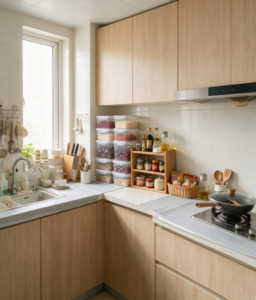
During cooking, tiny oil particles float in indoor air and spread beyond stove and countertop areas. These microscopic oil droplets settle on walls, ceiling edges, cabinet tops, and living room furniture. They are too thin to be noticed in the short term but oxidize and harden gradually, forming uniform yellowish invisible oil film.
Tap Water Mineral Residue
Ordinary tap water contains trace minerals. When water droplets dry naturally on glass, metal faucets, tile walls, and floors, invisible mineral layers remain even without visible water spots. Repeated daily water evaporation thickens the mineral film, reducing surface smoothness and creating a matte, dull appearance.
Indoor Daily Micro-Pollutants
Human body oil, pet dander, fabric fiber debris, and candle or cooking smoke particles continuously settle on indoor surfaces. These micro-pollutants mix together to form composite residue, which is the core cause of long-term aging and dullness of home decoration surfaces.
Targeted Residue Removal Methods for Different Surfaces
Hard Floors: Eliminate Cleaner Film & Restore Gloss
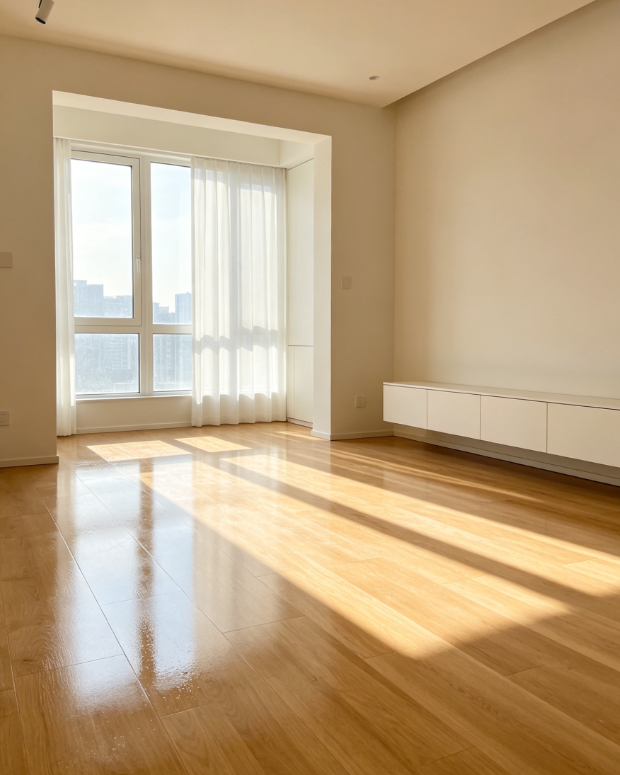
Wood floors, vinyl floors, and glazed tile floors are extremely prone to detergent residue accumulation. Long-term residue buildup destroys floor gloss, causes uneven color, and makes mopping less effective over time.
The most effective solution is regular clean water secondary rinsing. After mopping with diluted cleaning solution, perform a fresh clean water mop pass to strip residual surfactant film. For old thick residue that causes persistent dullness, use purely clean water with high-density microfiber mops for repeated wiping. Avoid frequent use of strong de-waxing agents, which damage floor protective layers.
Glass & Mirror Surfaces: Remove Hazy Invisible Film
Glass and mirrors often look foggy under light due to stacked mineral residue and soap film. Conventional dry wiping only smears residue and leaves streaks.
For daily maintenance, wipe glass surfaces with lint-free damp cloths and dry immediately. For existing invisible haze, intermittent use of mild neutral glass cleaner removes mineral and surfactant layers without corroding glass edges or adhesive strips. Consistent dryness after cleaning prevents new residue adhesion.
Cabinet & Furniture Surfaces: Clear Oxidized Oil Film
Paint-finished cabinets, wooden tables, and plastic furniture accumulate mixed oil mist and dust residue year-round. The surface gradually loses brightness and feels slightly sticky when touched.
Use neutral all-purpose cleaner with low concentration for light wiping. Avoid alkaline degreasers for daily use, as they accelerate paint aging and fading. Wipe along the surface texture in one direction, then remove residual cleaner with a clean damp cloth to avoid secondary film formation.
Daily Habits to Prevent Invisible Residue Accumulation
Eliminating invisible residue fundamentally relies on prevention rather than post-accumulation removal. Small adjustments to daily cleaning routines can avoid 90% of chronic film buildup.
Strictly follow detergent dilution ratios. Excess cleaner does not improve cleaning effect but increases residual risk significantly. Most household surfaces only require low-concentration solution for daily decontamination.
Avoid single-pass incomplete cleaning. Wiping and mopping with consistent directional strokes and finishing with a clean water rinse prevents residual stacking.
Timely clean fresh micro-stains. Fresh oil mist, water droplets, and dust particles can be completely removed with simple wiping. Delayed cleaning leads to oxidation and bonding, forming persistent invisible residue that is difficult to strip.
Maintain indoor ventilation daily. Proper air circulation accelerates the settlement and discharge of floating oil mist and dust particles, reducing surface deposition of micro-pollutants.
Why Residue Cleaning Improves Overall Home Hygiene
Most users judge cleaning results by visual cleanliness, while invisible residue determines long-term household hygiene quality. Residue-free surfaces are smooth and non-sticky, making it difficult for dust, bacteria, and mold spores to adhere. This reduces daily cleaning frequency and maintains a fresh indoor environment for longer periods.
Removing residual chemical film also reduces indoor irritants, which is friendlier to children, pets, and people with sensitive skin and respiratory conditions. It effectively avoids hidden hygiene risks caused by long-term residual cleaner and oxidized organic dirt.
Conclusion
Genuine long-lasting home cleanliness is not achieved through frequent repeated cleaning, but through eliminating invisible residual dirt that most people ignore. Cleaner film, mineral deposition, oxidized oil mist, and micro-dust composite residue are the main causes of chronic dull surfaces, fast dust re-accumulation, and faint indoor odors. By adopting residue-aware cleaning methods, standardizing detergent usage, and adding simple rinsing and drying steps, homeowners can permanently solve recurrent cleaning problems and maintain a smooth, bright, and truly hygienic home environment.