Smart Weekend Deep Cleaning Guide: No Rush, No Hype, Long-Lasting Home Cleanliness
Many homeowners treat weekend deep cleaning as an exhausting full-day chore. They scrub every surface at once, use multiple strong cleaners simultaneously, and end up feeling burnt out with results that only last a few days. This outdated cleaning approach is inefficient and unnecessary. Deep cleaning does not mean over-cleaning or working harder. It means targeting hidden accumulated grime that daily routine cleaning misses, using structured, surface-safe methods.
The Difference Between Daily Cleaning and Weekend Deep Cleaning
Daily routine cleaning focuses on visible surface maintenance: wiping table dust, mopping obvious floor dirt, and cleaning fresh kitchen spills. It keeps homes looking tidy but cannot remove aged, bonded contaminants that accumulate over time.
Weekend deep cleaning targets invisible and embedded dirt, including oxidized thin oil film, accumulated soap scum, hidden gap dust, and mild mold spore buildup. These contaminants do not affect daily visual cleanliness but cause gradual surface dullness, recurring dust adhesion, and faint unexplained indoor odors.
A well-executed weekend deep clean extends the overall cleanliness cycle, reduces daily cleaning pressure, and prevents minor dirt problems from turning into stubborn, hard-to-remove stains.
Room-by-Room Weekend Deep Cleaning Checklist (Practical & Time-Saving)
Living Room & Bedroom: Eliminate Hidden Static Dust & Fiber Buildup
The biggest cleaning blind spots in living areas are not flat surfaces but static-prone zones. Sofas, cushions, curtains, carpet edges, and wall corners continuously collect fine lint, pet hair, and dry skin particles. Daily wiping cannot remove these deeply embedded particles.
Start with dry cleaning first. Use a vacuum with a brush attachment to clean sofa fabric, cushion gaps, and carpet edges. Dry vacuuming removes loose debris without pushing fine particles deeper into fibers. Avoid wet cleaning fabric surfaces casually; excessive moisture leads to hidden mildew and fabric hardening.
Wipe wall surfaces, switch panels, and window sills with a damp microfiber cloth. These areas accumulate static dust that causes walls to slowly turn gray. Clean furniture legs and the bottom edges of cabinets, which are rarely touched during daily cleaning and gather thick layered dust.
Finish with full room ventilation to blow away floating fine dust, reducing indoor dust concentration for the upcoming week.
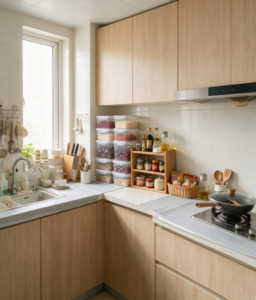
Kitchen: Remove Oxidized Oil Film & Hidden Residue
Most kitchen dullness comes from invisible oxidized oil mist, not visible thick grease. Tiny oil particles float during cooking and settle on cabinet surfaces, refrigerator exteriors, tile walls, and light fixtures. After three to seven days of accumulation, they form a thin sticky film that attracts more dust.
For weekend deep cleaning, use a mild neutral degreaser to wipe upper cabinet surfaces, range hood outer panels, and surrounding wall tiles. Focus on areas above the stove and beside the sink, where oil mist and water splashes overlap most frequently.
Clean refrigerator door seals, sink filter baskets, and appliance gaps. These hidden positions trap food debris and condensed water, becoming the main source of faint kitchen odors. Wipe dry all cleaned kitchen surfaces to prevent residual moisture from breeding bacteria.
Avoid overusing strong alkaline degreasers for full kitchen wiping. Excessive use fades cabinet paint and accelerates metal surface aging.
Bathroom: Eliminate Root Limescale & Mold Spores
Daily bathroom cleaning only removes surface water and loose soap foam. After one week of accumulation, tap water minerals form faint limescale layers on faucets and shower glass, while humid gaps breed dormant mold spores.
Focus weekend deep cleaning on gap areas: toilet base caulking lines, tile grout, shower door track gaps, and floor drain edges. Use targeted mild descaling and anti-mold cleaning methods for local treatment instead of full-area spraying. This avoids unnecessary chemical residue while eliminating hidden mold sources.
Wipe and polish faucet surfaces, shower heads, and metal accessories to remove faint mineral fog, restoring surface smoothness and preventing long-term scale thickening. Finally, dry the entire bathroom floor and corners thoroughly to cut off humid breeding conditions.
Key Rules to Avoid Common Deep Cleaning Mistakes
Many households spend hours deep cleaning but get poor results due to wrong operational sequences and improper product usage.
Always clean dry dirt before wet cleaning. Vacuum and wipe loose dust first to avoid mixing dry dust with water and cleaners, which forms muddy residue that is harder to clean and easily adheres to surfaces.
Do not mix different cleaning products. Random mixing does not enhance cleaning effect but may produce irritating volatile substances and leave composite chemical residue on surfaces.
Avoid excessive scrubbing during deep cleaning. Stubborn aged stains need proper soaking time to decompose. Hard scrubbing wears down tile glaze, paint layers, and metal plating, creating micro-scratches that trap more dirt in the future.
How to Make Deep Cleaning Results Last Longer
The purpose of weekend deep cleaning is to reduce long-term cleaning pressure, not just pursue instant cleanliness. Simple protective maintenance can extend cleaning effects for two to three weeks.
After deep cleaning, keep indoor ventilation habits to reduce floating dust and oil mist deposition. Wipe key high-residue areas such as kitchen countertops and bathroom faucets lightly after daily use to avoid rapid stain re-accumulation.
Maintain tool cleanliness after deep cleaning. Clean and dry all used cloths, mops, and brushes in time to avoid tool contamination that affects subsequent daily cleaning quality.
Conclusion
Scientific weekend deep cleaning is systematic and targeted, rather than blind repetitive scrubbing. By focusing on hidden gap dirt, oxidized oil film, mineral residue, and dormant mold spores that daily cleaning misses, homeowners can truly eliminate the root causes of dull surfaces, recurring dust, and faint household odors. Reasonable cleaning sequences, surface-safe product usage, and follow-up minor maintenance ensure long-lasting home cleanliness, making daily housekeeping easier and more efficient.