Zero-Waste Cleaning: Practical Chemical-Free Household Cleaning Tips for Modern Homes
Many homeowners seek safer, greener cleaning methods to reduce indoor chemical exposure, cut household waste, and create healthier living spaces. However, most green cleaning content either overhypes unreliable homemade hacks or oversimplifies real cleaning challenges, leaving users with ineffective results, surface damage, or unaddressed grime. True zero-waste, low-chemical cleaning relies on understanding dirt properties, leveraging physical cleaning principles, and eliminating unnecessary single-use products—not relying on unproven DIY solutions.
What Real Zero-Waste Home Cleaning Actually Means
Zero-waste cleaning does not mean abandoning effective hygiene standards or removing all cleaning products entirely. It refers to reducing disposable cleaning waste, minimizing synthetic chemical reliance, and eliminating redundant cleaning steps that consume resources without adding value. Many common household stains—everyday dust, light soap scum, fresh food spills, and surface fingerprints—do not require synthetic detergents to remove.
Physical cleaning power, including friction, heat, water temperature, and timely intervention, handles most routine household dirt. Chemical cleaners become necessary only for stubborn bonded grime, heavy mold, and mineral scale. Reducing chemical use for daily tasks lowers indoor air irritants, prevents surface residue buildup, and cuts down plastic waste from single-use cleaning supplies.
Effective Chemical-Free Methods for Common Household Stains
Dry Dust and Surface Lint
Dry dust is the most frequent household contaminant and the easiest to clean without chemicals. Traditional dry sweeping and dry cloth wiping stir fine particles into the air, leading to immediate resettling and inefficient cleaning. The most reliable chemical-free solution relies on high-quality microfiber tools and controlled moisture.
Slightly dampened, fully wrung microfiber cloths trap fine dust, pet lint, and human dander through microscopic fiber friction. This method requires only clean water, leaves no sticky residue, and works safely on walls, wood furniture, metal fixtures, and plastic surfaces. For elevated surfaces and ceiling corners, dry microfiber dusters with flexible heads capture cobwebs and dry dust without scattering particles.
Regular vacuuming with intact filters removes deep dust from carpets, sofa crevices, and fabric upholstery, eliminating the need for frequent wet wiping and chemical dust treatments.
Fresh Kitchen Food Residue and Light Grease
Fresh cooking splatters, sauce spills, and thin oil film do not require alkaline degreasers for removal. Warm water alone softens fresh organic grease, breaking down surface adhesion without chemical surfactants. The key is timely cleaning before residue cools, oxidizes, and hardens into stubborn stains.
After cooking, wipe stove tops, countertop edges, and cabinet exteriors with a warm water-dampened cloth. Gentle physical friction lifts most fresh oil splatters and food marks. For slightly stickier areas, reusable natural cotton sponges provide mild abrasive friction without scratching finishes or leaving chemical film.
This chemical-free routine prevents daily oil mist buildup, which is the main cause of yellowed kitchen surfaces over time. It also avoids the accumulation of detergent residue that attracts more dust and grime.
Bathroom Light Soap Scum and Surface Water Marks
Light soap scum and temporary water spots on shower walls, glass, and faucets can be managed entirely without acidic or synthetic cleaning sprays. Most minor bathroom surface discoloration comes from residual soap particles and loose mineral deposits that have not yet bonded tightly to surfaces.
Post-shower daily maintenance is the most effective chemical-free solution. Wiping down wet surfaces with a dry lint-free cloth removes residual water and soap film before evaporation occurs. Consistent drying prevents mineral concentration and eliminates the conditions that form hard limescale and soap scum.
For faint existing soap haze, warm water and gentle circular friction with a soft sponge lifts residue without damaging glass, tile glaze, or metal plating. This routine reduces the need for monthly chemical descaling for most standard bathrooms.
Zero-Waste Tool Swaps That Improve Cleaning Results
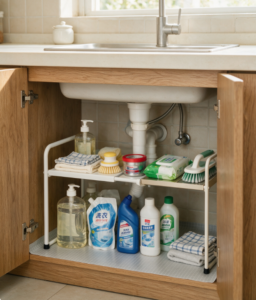
Most household cleaning waste comes from disposable paper towels, single-use scrub pads, and plastic cleaning wipes. Replacing disposable tools with reusable alternatives delivers identical or better cleaning results while cutting long-term household waste.
Reusable microfiber cloth sets replace paper towels for all-purpose wiping. When properly maintained without fabric softeners, these cloths retain dust and grease absorption for months. Color-coded cloths for kitchen, bathroom, and living areas prevent cross-contamination without disposable disinfecting wipes.
Silicone scrubbers replace disposable plastic scrub pads. They resist bacterial growth, do not absorb odors, and clean effectively on both tough and delicate surfaces. Silicone tools rinse clean easily and last years with basic maintenance.
Washable cotton mop pads replace disposable mop sheets. They provide better surface contact, trap more fine dirt, and eliminate continuous single-use plastic waste from disposable cleaning refills.
Honest Limitations of Chemical-Free Cleaning (No Misleading Hype)
Chemical-free cleaning works reliably for daily routine maintenance, but it has clear limitations that prevent full replacement of targeted cleaners for certain stubborn stains. Transparent understanding of these boundaries avoids unmet cleaning expectations and surface damage.
Aged, hardened kitchen grease cannot be removed by water and friction alone. Oxidized oil bonds tightly to surfaces and requires emulsifying agents for complete removal. Attempting excessive scrubbing to avoid chemicals scratches cabinet paint and stainless steel finishes.
Established bathroom limescale and black tile mold root growth require targeted mild functional cleaners. Water friction alone cannot dissolve mineral deposits or eliminate embedded mold spores.
High-touch bacterial hotspots during seasonal illness periods benefit from occasional targeted disinfection. Reliance solely on physical cleaning cannot eliminate all transmissible bacteria in high-risk areas.
Balanced Green Cleaning Routine for Sustainable Homes
The most practical sustainable cleaning system combines daily chemical-free maintenance with occasional targeted low-chemical deep cleaning. This balanced approach maintains consistent hygiene, protects home surfaces, and minimizes environmental impact.
Reserve chemical-free methods for all fresh stains, daily dust removal, regular surface wiping, and post-use bathroom drying. These tasks account for over 80% of household cleaning workload and require no synthetic cleaners.
Use mild, low-residue functional cleaners only for monthly deep maintenance, including aged grease removal, limescale treatment, and mold spot cleaning. This reduces chemical consumption drastically compared to daily full-house chemical cleaning.
Maintain reusable tools properly through regular rinsing, complete drying, and timely replacement of worn fibers. Clean tools ensure chemical-free methods deliver full cleaning efficiency.
Conclusion
Authentic zero-waste, chemical-light home cleaning is based on scientific stain management and sustainable tool usage, not unproven DIY tricks or extreme chemical elimination. By applying physical cleaning methods for daily routine dirt and reserving mild targeted cleaners only for stubborn deep stains, homeowners can build a low-waste, low-irritant cleaning system. This balanced approach protects indoor air quality, extends home surface lifespan, reduces household plastic and chemical waste, and maintains a consistently clean, healthy living environment long-term.