Hardwood Floor Cleaning Guide: How to Clean, Protect and Maintain Wood Floors Without Damage
Hardwood floors add warmth, texture, and value to residential properties, but they are far more delicate than tile, vinyl, or laminate flooring. Many homeowners unknowingly damage their hardwood surfaces through incorrect daily cleaning routines. Excessive water, harsh chemicals, abrasive tools, and improper mopping methods cause common issues such as surface dullness, fading, scratches, warping, and cracked finish layers over time.
Common Hardwood Floor Damage Caused by Wrong Cleaning
Most hardwood floor deterioration is not the result of normal aging but cumulative improper cleaning habits. Unlike synthetic flooring materials, solid and engineered hardwood is porous and sensitive to moisture, strong chemicals, and friction damage.
Over-wetting during mopping is the top cause of floor damage. Standing water penetrates wood seams and micro finish gaps, leading to board swelling, edge warping, and floor squeaking as the wood dries unevenly. Long-term moisture exposure also triggers hidden mold growth beneath floorboards and dark water stains on finish surfaces.
Abrasive scrub tools and harsh chemical cleaners gradually wear down protective polyurethane finishes. Once the clear coating thins or scratches, the raw wood becomes exposed to dirt, stains, and oxidation, resulting in permanent dullness and discoloration that cannot be fixed by simple cleaning.
Improper dry cleaning methods also contribute to wear. Rough brooms and dry vacuum beater bars create fine micro-scratches, causing floors to gradually lose their original gloss and appear hazy.
Safe Daily Hardwood Floor Cleaning Routine
Dry Cleaning: The Foundation of Wood Floor Care
Dry maintenance is the safest and most critical step for hardwood floors. Fine sand, gravel, pet paw debris, and tracked-in dirt act like sandpaper when walked on. If left uncleaned, these particles scratch the finish layer with daily foot traffic.
For daily upkeep, use a soft microfiber floor duster or a vacuum with a brush roll turned off and a dedicated hardwood floor attachment. This removes loose dust, hair, and grit without creating abrasions. Perform dry cleaning at least two to three times per week, especially in high-traffic hallways, living rooms, and entryways.
Avoid traditional straw brooms and stiff bristle sweepers. Their rough edges leave tiny invisible scratches that accumulate over months, ruining floor smoothness and shine.
Controlled Damp Mopping (No Standing Water)
Dry cleaning removes loose debris but cannot clear sticky residue, food spills, and light oil film. Occasional damp mopping is required for sanitization and surface refresh, but strict water control is essential.
Use only well-wrung microfiber mop pads for hardwood floors. The mop should feel completely damp, never dripping wet. Clean with neutral, pH-balanced wood floor cleaners diluted according to instructions. Avoid undiluted concentrated formulas, which leave streaky residue and break down floor finishes.
Always mop in the direction of the wood grain to avoid cross-streaks and uneven cleaning. Finish small sections at a time and allow rapid air drying. Never leave pooled water on hardwood surfaces for any length of time.
Targeted Solutions for Common Hardwood Floor Stains
Water Spots and Cloudy Haze
White cloudy marks and surface water spots form when moisture gets trapped between the finish and wood layer. These superficial stains do not require sanding or refinishing. Gentle cleaning with wood-safe polish or mild cleaning solution can lift surface residue and restore clarity with light buffing.
Food Sticky Residue and Spills
Sugary drinks, sauce spills, and food residue harden quickly on hardwood floors. Fresh spills should be blotted immediately with a dry cloth to prevent penetration. Dried sticky residue can be removed with a lightly damp microfiber cloth and a tiny amount of neutral cleaner, followed by instant dry buffing.
Minor Scuff Marks
Shoe scuffs and furniture rub marks are common on low floor areas. Most surface scuffs sit on top of the finish and can be buffed away with a dry microfiber cloth or a soft cleaning eraser. Aggressive scrubbing is unnecessary and will damage surrounding finish layers.
Cleaning Products & Tools to Avoid Completely
Steam mops: High-temperature steam forces moisture deep into wood fibers, causing irreversible warping, delamination, and finish peeling on both solid and engineered hardwood floors.
Vinegar, bleach, and ammonia-based cleaners: These unbalanced pH solutions erode polyurethane finishes, strip floor wax, and create permanent dull patches over repeated use.
Abrasive scrub pads and steel wool: These tools scratch protective coatings and leave uneven textured marks that collect more dirt.
All-purpose heavy-duty degreasers: Harsh chemical formulas break down floor finish components and cause uneven fading.
Monthly & Seasonal Hardwood Floor Maintenance
Every month, perform a full low-moisture deep clean to remove accumulated invisible residue that daily mopping misses. Wipe floor edges and baseboard gaps where dust and grit accumulate.
Every three to six months, apply a wood floor refresher or polish to restore mild gloss and fill micro-scratches. This simple maintenance revives floor appearance without full refinishing.
Seasonal humidity adjustment is critical. Wood expands in humid summer weather and contracts in dry winter air. Maintain consistent indoor humidity levels between 40% and 55% to reduce floor gaps, cracking, and surface stress.
Long-Term Floor Protection Habits
Attach soft felt pads to all furniture legs to prevent friction scratches and dents during movement.
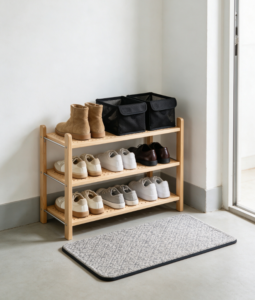
Place doormats at all entry points to reduce tracked-in sand and grit, the primary source of floor micro-scratches.
Avoid walking on hardwood floors with high-heeled shoes or rough outdoor footwear.
Blot all liquid spills immediately, including water, coffee, and pet accidents, to prevent deep staining and moisture damage.
Conclusion
Hardwood floor maintenance does not require complicated techniques or expensive products. Its longevity and beauty depend entirely on consistent gentle cleaning, strict moisture control, and avoidance of damaging tools and chemicals. By adopting dry-first cleaning routines, controlled damp mopping, targeted stain treatment, and seasonal protection habits, homeowners can prevent scratches, warping, dullness, and discoloration. Proper daily care preserves the original finish, natural texture, and elegant appearance of hardwood floors, extending their service life and maintaining home value for years.