Realistic Home Organizing Tips: Build Low-Maintenance Clutter-Free Spaces
Many homeowners struggle with a repetitive cycle: spending hours organizing closets, cabinets, and surfaces, only for clutter to return within a week. Popular organizing content often promotes picture-perfect aesthetics, rigid folding systems, and extensive storage purchases that work for staged homes but fail in real, busy households. Constant tidying without lasting results often leads to frustration and burnout.
Why Traditional Organizing Fails for Most Households
Clutter is rarely caused by laziness or disorganization. It mostly stems from flawed storage logic. Most people organize items by category, placing all similar objects together, regardless of how often they are used. This forces everyday items into deep, hard-to-reach spaces while rarely used belongings occupy prime accessible areas. Misaligned placement creates constant disruption and messy resettlement after daily use.
Long-term tidiness does not depend on more cleaning or stricter discipline. It relies on building a user-friendly storage system that matches natural daily routines and item usage frequency.
Fundamental Organizing Principles That Work for Every Room
These simple, actionable rules stabilize household order and drastically reduce daily tidying workload.
Prioritize accessibility by usage frequency. High-frequency items, including daily clothing, common kitchen utensils, and frequently used toiletries, should stay at eye level or arm’s reach. Occasional-use items, such as seasonal accessories and backup supplies, belong in upper cabinets or middle shelf areas. Rarely used items, including holiday decor and emergency gear, can be stored in deep storage zones or overhead spaces. This layout eliminates unnecessary rummaging and messy rearrangement.
Adopt a strict one-in, one-out system. Uncontrolled accumulation is the primary source of household clutter. Without consistent item filtering, new purchases continuously outpace discarded old items. For every new clothing piece, household supply, or accessory added, remove one old, unused, or duplicate item. This method keeps household item quantities balanced without complicated inventory tracking.
Reserve empty buffer space in all storage areas. Fully packed drawers, shelves, and cabinets have zero tolerance for daily temporary placement. Small daily messes quickly escalate into full-scale clutter when no flexible space is available. Leaving 10 to 15 percent empty space in every storage zone absorbs temporary placement and maintains overall order.
Bedroom & Closet Organization: Low-Effort Clothing Management
Bedroom clutter mainly comes from mixed seasonal clothing, piled casual wear, and scattered small accessories. Overly complex folding methods are difficult to sustain long-term. Simple zoning delivers far better consistency.
Divide closet space by season and frequency. Create a dedicated zone for current-season daily outfits at the most accessible position. Reserve a separate area for occasional formal wear and weekend outfits. Store thick bedding and off-season clothing on high shelves or closed top compartments. Clear zoning prevents cross-mixing and repeated messy searching.
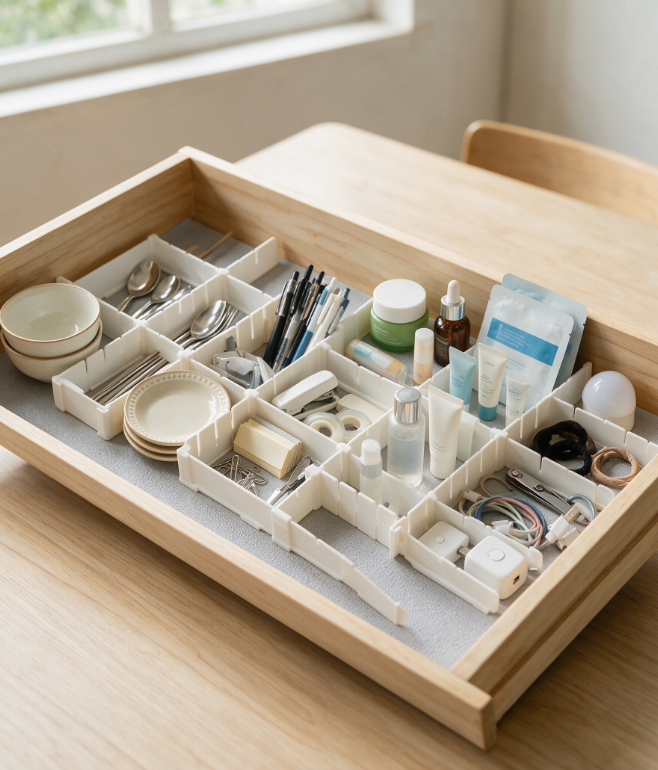
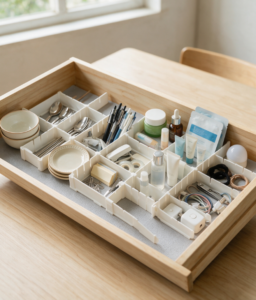
Avoid excessive subdivision for everyday clothing. Overusing small dividers, nested boxes, and fine partitions increases daily sorting friction. Regular T-shirts, trousers, and loungewear only need broad drawer grouping. Reserve detailed compartmentalization only for tiny, easily lost items like socks, jewelry, and undergarments.
Conduct quarterly idle clothing cleanup. Garments untouched for 12 months or longer, ill-fitting apparel, and heavily worn outdated pieces consume valuable closet space. Regularly donating, reselling, or discarding unused clothes reduces storage pressure more effectively than adding new organizers.
Kitchen Organization: Eliminate Countertop Chaos & Overstock Waste
Kitchen disorder undermines cooking efficiency and creates hidden hygiene dead corners. Most countertop clutter results from misplaced small appliances, overstocked dry goods, and disorganized cooking tools.
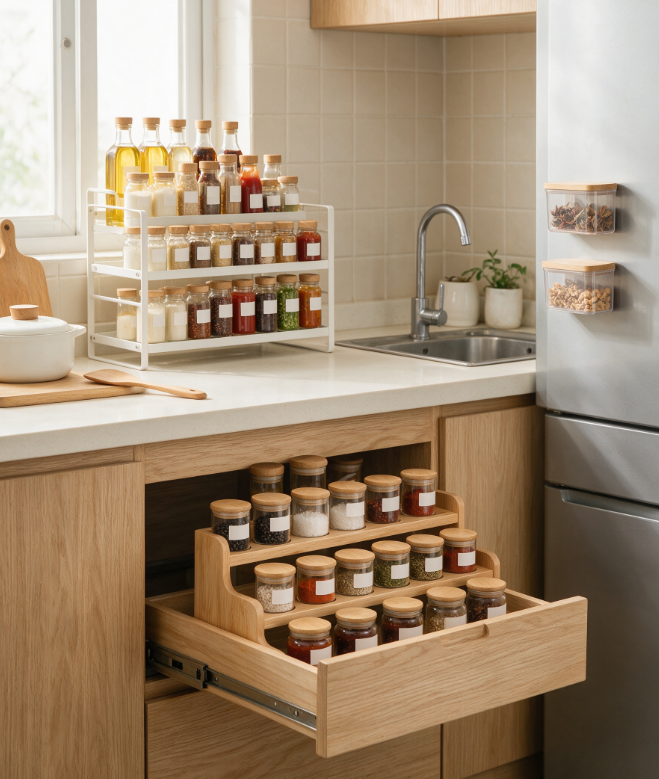
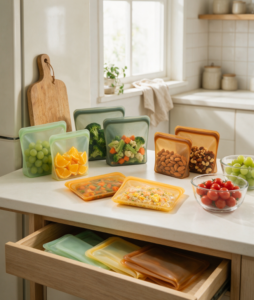
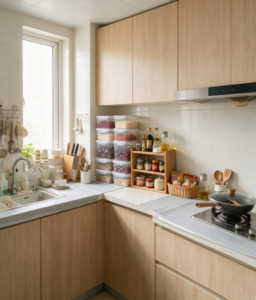
Arrange items following kitchen workflow logic. Store seasoning bottles, spatulas, and cutting tools near the stovetop for convenient cooking access. Place dish soap, sponges, and draining tools near the sink zone. Keep staple grains, dry ingredients, and food containers near the prep area. Workflow-based placement eliminates random tool placement during cooking and keeps countertops naturally tidy.
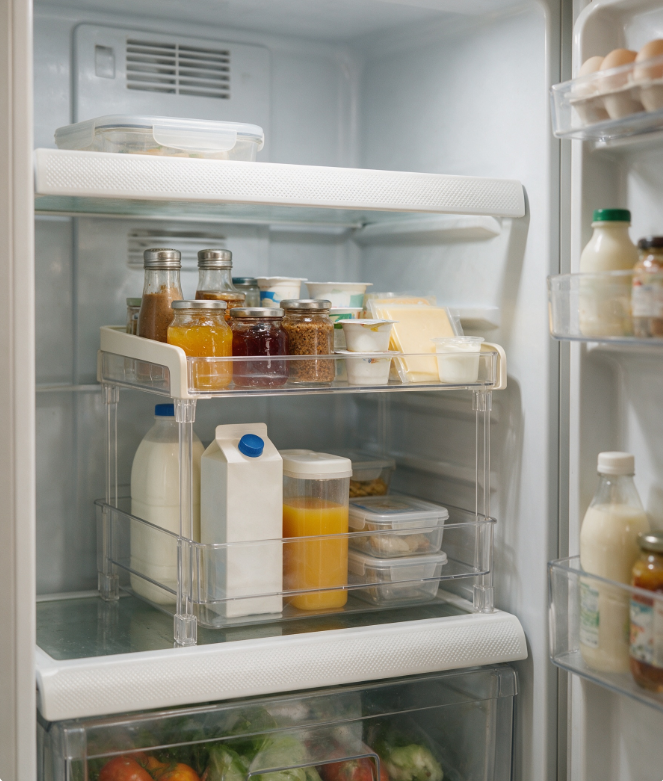
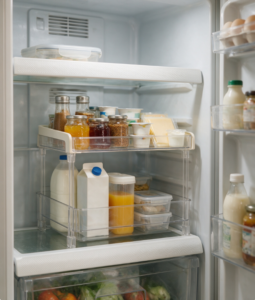
Avoid overstocking perishable and dry goods. Many households stock excessive snacks, grains, and canned foods that exceed actual consumption speed. Overstock leads to expired items, crowded cabinets, and disorganized stacking. Adopt a first-in, first-out habit and purchase monthly supplies based on real consumption volume.
Centralize small appliances and tidy wiring. Scattered blenders, air fryers, kettles, and toasters occupy limited counter space. Concentrate frequently used appliances in a fixed zone and organize loose cables with simple cord management tools to avoid tangled wires and chaotic countertops.
Bathroom Organization: Moisture-Resistant, Mildew-Free Storage
Bathroom storage has unique limitations due to high humidity and limited ventilation. Many popular fully closed storage solutions trap moisture, causing hidden mold, stale odors, and deteriorated toiletries.
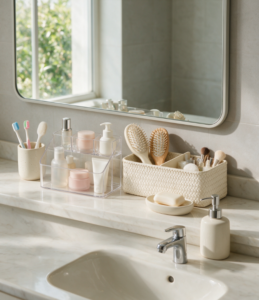
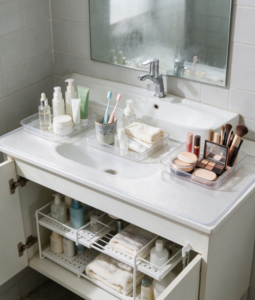
Classify toiletries by daily usage. Separate facial care products, body cleansing supplies, and medicinal skincare items into independent zones. Place daily routine products on open shelves for quick access. Store backup stock and weekly-use products in ventilated closed cabinets to avoid dust accumulation and moisture exposure.
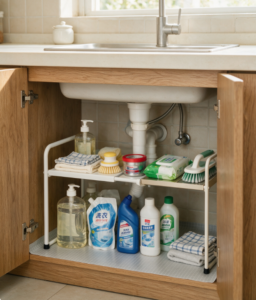
Prioritize breathable storage for damp items. Towels, bath sponges, and cleaning cloths retain large amounts of water after use. Sealed baskets create humid enclosed environments that breed bacteria and mildew. Open hanging storage and hollow breathable containers support rapid drying and long-term hygiene.
Monthly inspection of expired products. Skincare, oral care, and body care items have fixed shelf lives. Expired products lose effectiveness, irritate skin, and occupy valuable storage space. A simple monthly check eliminates hidden waste and keeps bathroom storage efficient.
Living Room & Entryway: Control Temporary Daily Clutter
Living room and entryway mess rarely comes from accumulated idle items. Most visual clutter originates from randomly placed keys, mail, electronic accessories, and daily carry-on items.
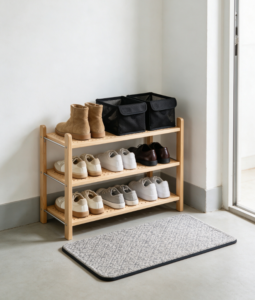
Set up a fixed temporary drop zone. A shallow tray or small countertop organizer concentrates scattered small objects, including keys, wallets, earbuds, and letters. This simple setup prevents items from spreading across tables, sofas, and floors.
Avoid overdecorating flat surfaces. Excessive ornaments, photo frames, and decorative pieces collect dust, occupy space, and increase cleaning difficulty. Keeping surface decoration minimal maintains a clean, open visual effect without sacrificing home comfort.
Sustainable Low-Burden Organizing Routine
Long-term clutter control depends on micro-maintenance rather than exhausting full-house deep cleans. This lightweight routine fits busy schedules and prevents mess buildup.
Daily two-minute reset. Before bedtime, return misplaced items to their fixed zones and clear temporary surface clutter. This quick reset prevents small messes from accumulating overnight.
Weekly zone tidying. Focus on one household area each week to sort misplaced goods, remove idle items, and adjust storage layout. Divided weekly tasks avoid overwhelming cleaning fatigue.
Seasonal storage adjustment. Every three months, update closet and cabinet layout according to weather changes, switch seasonal supplies, and clear expired or unused goods.
Common Organizing Mistakes to Avoid
Many mainstream organizing habits increase household burden instead of solving clutter problems.
Overbuying storage containers creates more mess. Most disordered homes already have enough storage space. Excess boxes, dividers, and baskets fragment interior space, create hidden dead corners, and make item access more complicated.
Chasing uniform aesthetics over functionality. Forcing all containers to match in size, color, and style often sacrifices practicality for visual uniformity. Different items require different storage structures; purely aesthetic organizing is difficult to maintain long-term.
Storing low-frequency items in prime positions. Placing seasonal decor, spare tools, and backup supplies in easy-access zones squeezes daily usable space and creates persistent visual crowding.
Conclusion
Effective home organization is a practical lifestyle system, not a one-time aesthetic renovation. True tidiness comes from reasonable item placement, regular idle goods filtering, and low-burden daily maintenance, rather than complicated folding skills or expensive storage tools. By following usage-based zoning rules and avoiding popular organizing pitfalls, any household can maintain a consistently clean, orderly, and low-maintenance living space all year round.