Seasonal Home Cleaning & Maintenance Guide: Practical Year-Round Hygiene Tips
Most generic home cleaning guides focus on daily wiping and regular mopping, ignoring seasonal environmental changes that directly affect household dirt accumulation, humidity levels, and indoor air quality. Dust, mold, static electricity, and window condensation vary drastically across different seasons. Using the same cleaning methods and products all year round leads to inefficient cleaning, recurring odors, and avoidable wear on home surfaces.
Why Seasonal Cleaning Adjustments Are Necessary
Indoor dirt and hygiene problems are closely tied to external temperature, humidity, and air quality. In humid seasons, closed indoor environments accelerate mold growth and water scale accumulation. In dry seasons, static electricity and floating dust become the main household troubles. Transitional seasons bring pollen, dust storms, and frequent temperature differences, leading to easily overlooked hidden dirt.
Fixed cleaning modes cannot adapt to these changing conditions. Blindly adhering to a single routine will either cause insufficient cleaning or over-cleaning waste. Reasonable seasonal adjustments allow cleaning work to target the most prominent household hygiene risks of each period, achieving more stable results with lower time cost.
Spring Cleaning: Pollen Prevention & Deep Dust Removal
Spring features rising temperatures, increased wind, and high outdoor pollen concentration. The core cleaning focus is reducing floating pollutants and residual winter dust.
Windows and screen windows accumulate large amounts of pollen, fine sand, and dry dust. Simply wiping the surface cannot remove embedded particles in screen gaps. Flush screen windows with low-pressure clean water first, then wipe window frames and sills with a damp microfiber cloth to avoid pollen floating indoors when opening windows for ventilation.
Fabric products such as curtains, sofa cushions, and blankets absorb a large number of fine particles during winter closed ventilation. Spring is the suitable period for thorough vacuuming and sun drying. High-temperature sun exposure removes residual moisture and mite colonies hidden in fibers, reducing indoor allergic sources.
Wall surfaces easily accumulate dry floating dust in spring. Avoid large-area dry wiping to prevent secondary dust. Use a slightly damp soft duster for one-way cleaning to keep wall surfaces clean without causing dust diffusion.
Summer Cleaning: Humidity Control & Mold Prevention
High temperature and high humidity in summer are the main causes of bathroom mold, kitchen peculiar odors, and furniture mildew. Summer cleaning priorities focus on dehumidification, drainage, and mold inhibition.
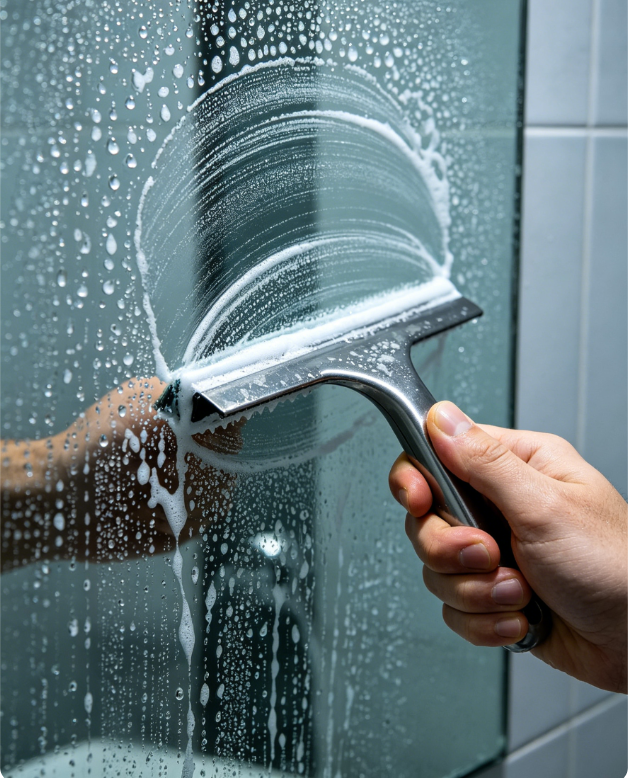
Bathroom tile gaps, floor drain edges, and shower curtain folds are high-incidence areas for mold in summer. Daily ventilation after bathing is essential to drain residual water vapor. For locally blackened gaps, regular targeted mold removal treatment is required. Keeping these dry effectively stops mold from spreading to surrounding areas.
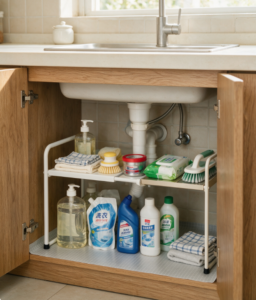
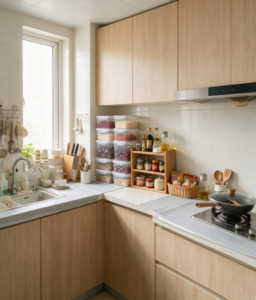
Kitchen cabinets, especially closed bottom storage areas, are prone to dark and humid environments in summer. Stored tableware and dry goods easily absorb moisture and deteriorate. Regularly open cabinet doors for ventilation, wipe off internal moisture, and clean residual crumbs and debris to avoid bacterial reproduction.
Wooden furniture and wooden floors expand slightly in high humidity. Avoid excessive wet mopping and standing water retention. Use neutral mild cleaners for daily wiping and ensure timely drying to prevent surface paint blistering and internal wood mildew.
Autumn Cleaning: Dry Dust Management & Odor Elimination
Autumn climate is dry with low air humidity, leading to frequent static electricity and accelerated dust adsorption. Household surfaces are prone to rapid dust accumulation and faint dry odor.
Static electricity makes floors, tables, and electrical screens easily attract dust and lint. Dry wiping in autumn will intensify static floating dust. Daily cleaning should adopt damp dust removal methods to neutralize static electricity and lock fine dust particles, keeping indoor surfaces clean for longer.
Autumn temperature drop reduces indoor ventilation frequency. Residual summer kitchen oil fume, bathroom moisture, and indoor closed odor accumulate gradually. Regular whole-house ventilation and targeted wiping of high-oil and high-humidity areas can effectively refresh indoor air quality without relying on air fresheners.
Outdoor fallen leaves and dry wind bring fine particulate pollutants. It is necessary to clean window track dirt and balcony dust regularly to prevent accumulated dry dirt from being blown indoors and causing secondary pollution.
Winter Cleaning: Closed Environment Hygiene & Low-Temperature Maintenance
Low temperature and poor ventilation in winter make indoor air circulation poor. Bacteria and peculiar odors easily accumulate in closed spaces, while low temperature causes cleaner fluidity changes and slower stain decomposition speed.
Do not reduce cleaning frequency significantly due to cold weather. Focus on high-touch surfaces including door handles, light switches, remote controls, and dining tables. Regular daily cleaning controls bacterial growth in closed environments.
Low temperatures make oil stains and water scale harder to decompose and adhere more firmly. Appropriately extend the standing time of mild cleaners during winter cleaning to ensure sufficient stain decomposition, avoiding excessive scrubbing that damages surface materials.
Indoor heating in winter accelerates surface water evaporation and easily causes static dust. Maintain regular damp dust removal and avoid long-term dry cleaning to keep indoor humidity and dust within a balanced range.
Universal Seasonal Cleaning Taboos for All Families
Regardless of seasonal changes, certain cleaning behaviors will always bring hidden risks to home materials and indoor environment.
Do not adjust cleaner concentration arbitrarily according to seasons. Excessively high concentration increases chemical residue and surface corrosion; excessively low concentration leads to incomplete decontamination. Strict dilution ratios ensure cleaning effect and material safety.
Do not replace targeted functional cleaners randomly. Acidic agents cannot be used on stone surfaces in any season, and strong alkaline degreasers cannot be used for long-term full-house wiping. Seasonal cleaning adjustments focus on methods and frequency instead of disorderly replacement of cleaning products.
Do not ignore tool maintenance in seasonal transitions. Cleaning cloths and mops that have been used for one season will accumulate hidden dirt and bacteria. Thorough cleaning and seasonal replacement effectively avoid cross-contamination in the new cycle.
Conclusion
Scientific home cleaning is never rigid and fixed. Adjusting cleaning focus, frequency, and methods according to seasonal climate changes can precisely solve seasonal household hygiene problems such as pollen pollution, mold breeding, static dust, and closed odor. Adapting cleaning modes to environmental changes reduces invalid housework, protects home decoration materials, and maintains a long-term healthy and comfortable indoor living environment throughout the year.