Hidden Spot Home Cleaning Guide: Overlooked Household Areas That Harbor Dirt & Odors
Most homeowners stick to visible cleaning tasks: mopping floors, wiping tables, and cleaning kitchen countertops. While these tasks improve immediate visual cleanliness, they ignore dozens of hidden areas that steadily accumulate dust, bacteria, and residual grime. These overlooked spots are the primary cause of mysterious indoor odors, recurring dust, and unexplained household allergies.
Why Hidden Cleaning Spots Matter for Household Hygiene
Visible surfaces are cleaned regularly, so dirt never builds up severely. In contrast, hidden gaps, undersides, and fixed fixtures are rarely touched. Over weeks and months, tiny debris, moisture residue, skin flakes, and pet dander accumulate continuously. These confined, often poorly ventilated spaces create stable breeding environments for bacteria, mold spores, and dust mites.
Even if a room looks spotless, uncleaned hidden areas release fine dust and faint odors into indoor air continuously. This leads to a common paradox: the house looks clean but always feels slightly stuffy, dusty, or subtly smelly.
Common Overlooked Living Area Cleaning Spots
Living rooms and bedrooms are perceived as clean spaces, yet many fixed furnishings create undetectable dirt zones.
Furniture undersides and leg gaps
Sofas, coffee tables, beds, and cabinets leave narrow gaps between furniture bases and floors. These gaps block daily sweeping and mopping. Dry dust, hair, food crumbs, and fine fabric fibers accumulate here without disturbance. Over time, the piled dirt becomes dry and powdery, spreading across the room during air ventilation or walking movement.
Vacuum cleaners with flat nozzle attachments are the most practical tool for these zones. Regular monthly suction cleaning prevents long-term dirt stacking without requiring heavy furniture movement.
Window track and rubber seal gaps
Window sliding tracks and surrounding rubber seals trap outdoor dust, pollen, dead insect residues, and rainwater sediment. Dry dirt mixes with residual moisture to form hard gray sludge that ordinary wiping cannot remove. Accumulated dirt here gradually causes window sticking and produces mildew odors in humid weather.
Loosen compacted debris with a soft brush first, then vacuum loose particles. Wipe track edges and rubber seals with a neutral damp cloth. Avoid sharp hard tools that scratch metal tracks and damage sealing rubber.
Remote controls and electronic gaps
TV remotes, air conditioner controllers, and keyboard gaps are high-touch bacterial hotspots. Hands carry oil, sweat, and daily dirt that accumulates on button gaps and surface crevices. These areas are never cleaned in most households, yet they contact human hands every day.
Wipe external surfaces with a slightly damp lint-free cloth. Use dry soft brushes to clear gap dust. Avoid direct liquid spraying on electronics to prevent internal circuit moisture damage.
Easily Missed Kitchen Hidden Zones
Kitchen dirt is not limited to stoves and range hoods. Many auxiliary positions accumulate aged oil stains and food residues that cause persistent kitchen odors.
Countertop seams and backsplash gaps
The gaps between kitchen countertops and walls, and splicing seams between countertop materials easily trap sauce splashes, oil mist residue, and tiny food debris. Residual food organic matter decomposes slowly in humid environments, producing faint sour odors and attracting tiny insects.
Local wiping with mild degreaser can dissolve thin oil films. Regular cleaning prevents residue from hardening into stubborn black dirt that is difficult to remove later.
Refrigerator door seal grooves
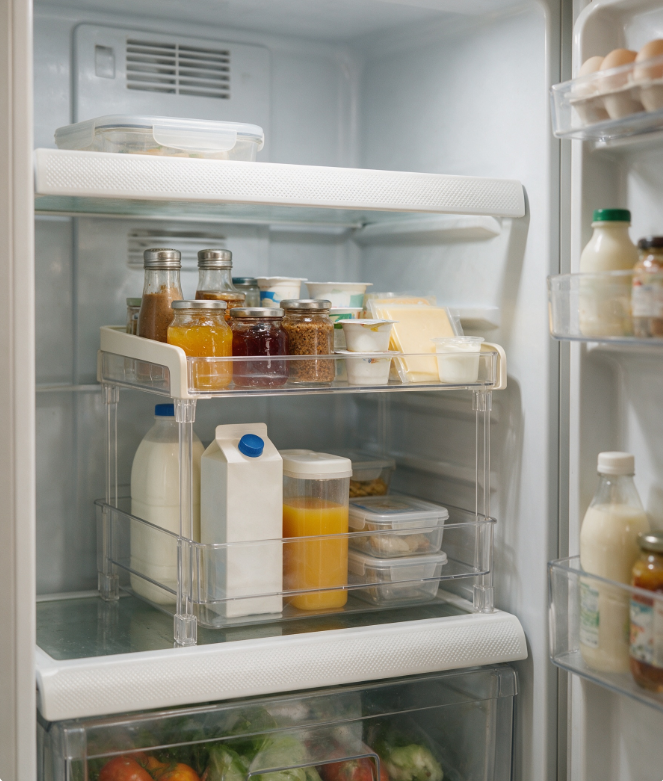
Refrigerator rubber door seals contain folded grooves that easily trap spilled beverage liquid, food crumbs, and condensed water. Long-term accumulation causes mildew, black spots, and peculiar refrigerator odors that transfer to fresh food.
Clean groove gaps with a small soft brush and damp cloth regularly. Keep seal surfaces dry to reduce mold adhesion and ensure refrigerator sealing performance.
Under-appliance hidden dirt
The undersides of refrigerators, microwave ovens, and toasters accumulate fallen food debris, oil dust, and pet hair. These hidden residues do not affect appearance but continuously breed bacteria and produce burnt odors during appliance operation.
Neglected Bathroom Hidden Hygiene Spots
Bathroom humidity creates hidden mold and scale in areas beyond visible tile surfaces.
Toilet base and caulking lines
The gap between the toilet base and floor, as well as surrounding caulking lines, are often ignored. Splashed water, detergent residue, and dirt accumulate here. In humid conditions, caulking glue easily turns black and grows mold, forming long-term hidden odor sources.
Regular partial wiping and keeping the area dry effectively prevent mold spread without complex renovation work.
Shower head tiny holes and hose gaps
Shower head water holes accumulate mineral scale from long-term tap water flushing. Blocked nozzles affect water flow, while scale residue breeds hidden bacteria. Shower hose folding gaps also trap dust and soap scum, forming invisible dirty layers.
Regular soaking with mild neutral descaling agents dissolves mineral deposits safely without damaging metal plating.
Floor drain inner walls
Most users only clean floor drain surface covers. The inner pipe walls accumulate hair, soap residue, and organic sludge. These residues decompose slowly, producing persistent sewer odors that diffuse upward even when the floor looks clean.
Safe Cleaning Principles for All Hidden Spots
Cleaning hidden areas does not require strong chemicals or frequent deep cleaning. Following basic rules ensures cleanliness without damaging home materials.
Prioritize dry cleaning methods for gap dust. Brushing and vacuuming remove loose dirt first, avoiding pushing dust and moisture deeper into gaps.
Use only mild, neutral cleaners for long-term hidden maintenance. Strong corrosive chemicals easily damage rubber seals, glue lines, metal surfaces, and paint layers in narrow gaps, causing irreversible aging and discoloration.
Ensure thorough drying after cleaning. Hidden gaps have poor air circulation. Residual moisture after cleaning accelerates mold growth, defeating the purpose of hygiene maintenance.
Conclusion
True household cleanliness lies in cleaning hidden blind spots rather than repeating surface cleaning work. Most unexplained indoor dust, odors, and bacterial risks originate from long-neglected narrow gaps, appliance undersides, sealing lines, and fixture bases. By adding simple periodic hidden-spot cleaning to daily routines, homeowners can maintain a genuinely cleaner, fresher, and healthier living environment with minimal extra effort.