Common Home Cleaning Mistakes & Fixes: Practical, Hype-Free Results for Regular Homes
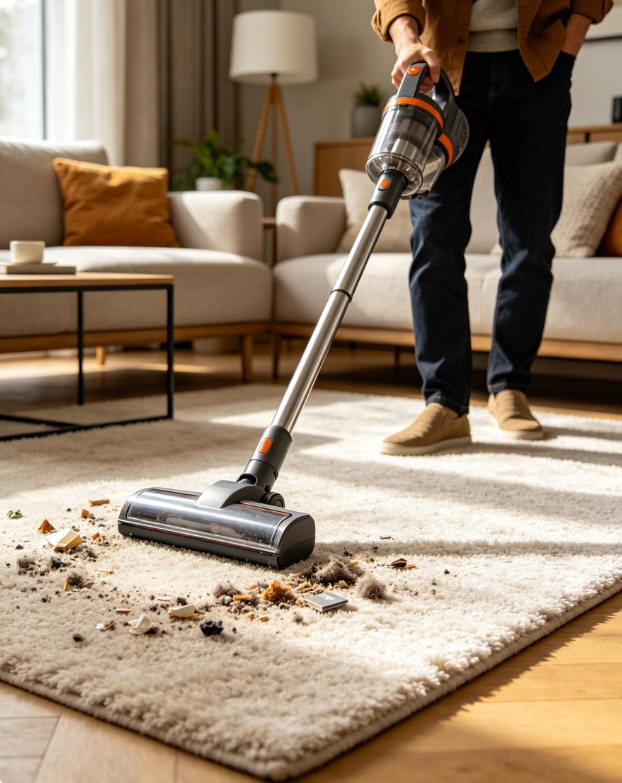
Many homes stay dusty, sticky, or faintly odorous even after regular cleaning. This usually happens not from laziness or low-quality products, but from repeated incorrect cleaning habits that leave residue, damage surfaces, and let dirt build up faster. Most mainstream cleaning content overpromises instant results and one-size-fits-all solutions, which do not match real everyday home environments.
Why Standard Cleaning Often Fails to Last
Cleaning only creates long-lasting results when it removes dirt entirely and protects the surface condition. Most routine cleaning falls short in two silent areas: invisible residue and micro surface damage.
Many everyday cleaners leave a thin transparent film on floors, tables, and countertops. This residue does not look dirty immediately, but it is slightly sticky. It continuously attracts airborne dust, pet dander, and fine lint, causing surfaces to dull within 24 to 48 hours. This is why some rooms feel “clean but dusty” shortly after mopping.
At the same time, aggressive scrubbing with rough sponges, dry cloths, and hard brushes creates microscopic scratches on tiles, glass, paint, and furniture finishes. These tiny grooves trap dirt and moisture, making future cleaning harder and accelerating staining and discoloration over months and years.
Most Common Household Cleaning Mistakes and Correct Solutions
The following errors are extremely common in daily cleaning and are the main cause of recurring grime, surface dullness, and unnecessary home wear.
1. Mopping Floors With Too Much Cleaner
A widespread misconception is that more cleaner equals cleaner floors. In practice, over-diluted or excessive cleaning solution leaves heavy residue on floor surfaces. Floors become slippery after drying, attract more dust, and gradually turn dull and gray.
Correct method: Use minimal cleaner with proper dilution ratios. After mopping with solution, follow up with a clean water rinse mop to lift residual soap film. This simple second-pass step drastically improves long-term floor clarity and reduces daily dust accumulation.
2. Wiping Dust With Dry Cloths
Dry wiping only moves dust around instead of removing it. Fine household dust contains lightweight fabric fibers and dry skin particles that easily float into the air during wiping. The dust resettles across furniture, floors, and walls, creating an endless cleaning loop.
Correct method: Use a lightly dampened microfiber cloth. Slight moisture locks fine dust particles without leaving water marks. This method removes more dust in one pass and reduces airborne dust indoors.
3. Cleaning Windows and Glass in Direct Sunlight
Many people clean glass surfaces on bright sunny days for better visibility. However, strong sunlight speeds up water and cleaner evaporation, leaving concentrated residue and streaks before the surface can be wiped evenly. The result is visible streaking that requires extra re-cleaning.
Correct method: Clean glass on cloudy days, during evening hours, or in shaded areas. Slower evaporation allows enough time to wipe the surface dry and uniform with no leftover marks.
4. Using Disinfectants for Daily Full-Home Wiping
Daily widespread disinfection is unnecessary for regular residential homes. Frequent use of strong disinfectants builds up chemical residue on furniture, walls, and floor surfaces. Over time, it fades finishes, irritates sensitive skin, and creates a stale chemical odor around the house.
Correct method: Reserve disinfectants for high-touch zones like door handles, switch panels, and bathroom surfaces on a weekly basis. For daily cleaning, neutral cleaning solutions are sufficient to maintain basic household hygiene.
5. Neglecting Hidden Tool Dirt
Mop heads, cleaning cloths, vacuum brushes, and dusters become contaminated after repeated use. Even if they look clean, they harbor trapped grease, fine dust, and bacteria. Using unclean tools spreads existing dirt across clean surfaces and limits cleaning effectiveness.
Correct method: Rinse and fully air-dry all cleaning tools after use. Wash microfiber cloths separately from regular laundry. Replace mop heads and heavily worn cloths every few months to avoid cross-contamination.
Surface-Safe Cleaning Rules to Prevent Permanent Damage
Many homeowners unknowingly reduce the lifespan of their home finishes through inconsistent cleaning habits. Simple material-aware rules help preserve surfaces long-term.
Wood surfaces: Never allow standing water. Use only damp, wrung-out mops and cloths. Avoid alkaline cleaners that strip wood wax and protective coating.
Stone countertops: Skip acidic cleaners, vinegar, and citrus-based solutions. These gradually etch stone surfaces, creating permanent cloudy marks that cannot be polished away.
Glossy tiles and glass: Avoid scouring pads and hard-bristle brushes. These create micro scratches that collect grime and make future cleaning difficult.
Fabric furniture and carpets: Prioritize consistent vacuuming over frequent wet cleaning. Excess moisture inside fibers causes hidden mildew, faint odors, and fabric stiffening.
Low-Effort Cleaning System for Consistent Results
The most sustainable cleaning routine focuses on small, regular maintenance rather than occasional deep cleaning marathons.
Perform light surface wiping after cooking to stop kitchen oil film from hardening. Clear bathroom water residue after showers to minimize limescale buildup. Do a quick weekly vacuum of hidden gaps and fabric surfaces to prevent dust accumulation.
Monthly, check easily overlooked areas: appliance exteriors, window sills, furniture legs, and floor drains. These spots rarely affect visual cleanliness but contribute to stale air and hidden household grime.
Conclusion
Effective home cleaning relies on correct techniques and consistent habits, not stronger chemicals or more frequent scrubbing. Fixing common cleaning mistakes eliminates recurring dust, residue buildup, and unnecessary surface damage. By following material-safe cleaning methods and maintaining simple routine maintenance, homeowners can keep their homes consistently clean, fresh, and durable with minimal extra effort.