Natural, Low-Chemical Home Cleaning Guide: Safe, Practical Methods for Everyday Homes
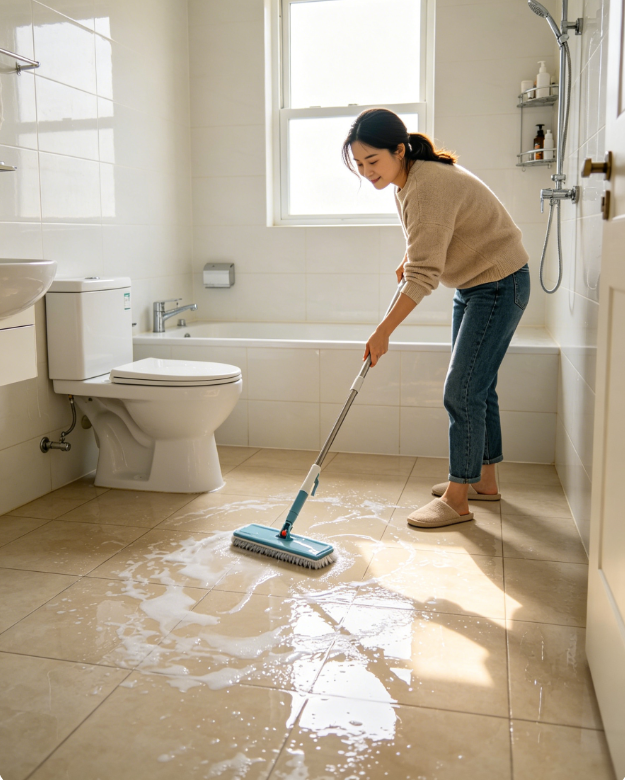
Many mainstream cleaning guides focus heavily on specialized chemical cleaners, strong-stain removal tricks, and high-intensity deep cleaning routines. While these methods deliver fast visual results, excessive chemical use and aggressive cleaning habits can gradually irritate indoor air quality, damage delicate home surfaces, and create unnecessary long-term household maintenance issues. For families with children, pets, or sensitive skin, harsh cleaning products often bring hidden risks that are easy to overlook.
Realistic Understanding of Low-Chemical Household Cleaning
Low-chemical cleaning does not mean abandoning effective cleaning or relying solely on single natural ingredients to solve all stains. It refers to reducing unnecessary chemical residue, avoiding corrosive and irritating cleaners, and selecting mild, low-residue cleaning methods that match daily household dirt characteristics. Many homemade natural cleaning solutions have clear usage limitations, and blind universal application will lead to incomplete decontamination or surface damage.
Daily household dirt is mainly divided into dust and fiber debris, light organic oil stains, and water mineral residue. Most of these common stains do not require high-strength chemical decomposition. Mild cleaning methods can achieve qualified hygiene standards while reducing indoor chemical accumulation and protecting the respiratory health of residents.
Safe Low-Chemical Cleaning Solutions for Common Household Stains
Daily Dust and Surface Grime
Ordinary floating dust, hand prints, and light surface smudges are the most frequent household dirt. Dry wiping causes dust diffusion, while conventional chemical all-purpose cleaners leave invisible sticky residues that accelerate re-dusting.
Clean cold water paired with high-density microfiber cloths is sufficient for daily cleaning of walls, wooden furniture, plastic electrical surfaces, and matte floors. Microfiber’s fine fiber structure can adsorb fine dust and light oil film without relying on chemical surfactants. Wiping surfaces in one direction and drying residual water traces can maintain long-term surface cleanliness and reduce dust adhesion.
Light Kitchen Oil Stains
Daily kitchen light oil mist residue and tableware stains do not require strong alkaline degreasers. Excessive alkaline ingredients will cause gradual aging of cabinet paint, rubber sealing strips, and stainless steel surfaces, and may also cause dry skin irritation during frequent cleaning.
A small amount of food-grade mild detergent diluted with clean water can effectively emulsify daily light oil stains. It features low residue and easy flushing, suitable for daily cleaning of stove surfaces, cabinet exteriors, and dining tables. After wiping with detergent water, a secondary clean water wipe can further reduce residual surfactant and avoid sticky surface feeling.
Bathroom Light Scale and Surface Smudges
Frequent use of strong acidic descaling agents in bathrooms will corrode metal faucet plating and aging grout lines, leading to surface dullness and accelerated mold growth. For daily shallow water scale and soap scum on shower glass and ceramic tiles, mild cleaning methods can achieve stable cleaning effects.
Regular daily drying and ventilation are the most effective ways to prevent scale accumulation. For formed shallow water marks, intermittent use of low-concentration neutral descaling agents is safer than frequent high-strength acidic cleaners. Local targeted cleaning, instead of full-area spraying, reduces chemical contact with home materials.
Limitations of Natural Cleaning Ingredients (No Overhyped Myths)
Many online natural cleaning tutorials exaggerate the effect of household ingredients, leading to incorrect usage and hidden home damage. Objective understanding of their limitations ensures safe and effective cleaning.
Vinegar is effective for dissolving shallow mineral scale but cannot remove oil stains. Long-term use on marble, granite, and cement grout will cause irreversible acid corrosion, forming permanent matte etching marks. It is only suitable for occasional auxiliary descaling on glass and glazed tiles, not for universal household cleaning.
Baking soda has mild abrasive properties and can remove partial surface dirt, but its fine particles will produce tiny scratches on high-gloss glass, metal plating, and smooth paint surfaces. It is only applicable to rough tile surfaces and sink inner walls, and not suitable for daily fine cleaning of delicate home surfaces.
Lemon water has natural deodorizing effects but weak decontamination ability. It can only improve subtle odors and cannot decompose aged oil stains or stubborn mold. Relying solely on natural ingredients for long-term household cleaning will lead to incomplete dirt removal and hidden hygiene risks.
Low-Chemical Cleaning Rules for Special Household Crowds
Households with infants, pregnant women, and pet residents need stricter cleaning standards for chemical residue and indoor air safety.
Avoid daily use of volatile spray-type cleaners. Aerosol particles easily float in the air and are inhaled for a long time, causing respiratory discomfort. Replace spray cleaning with wipe-type cleaning to reduce air pollution.
Reduce frequent full-house disinfection. Daily neutral cleaning can meet basic household hygiene needs. Disinfectants are only required for regular targeted cleaning of high-touch areas and bathroom damp zones, avoiding long-term residual disinfectant stimulation on pet fur and human skin.
All cleaning tools for families with sensitive groups need regular separate cleaning and drying to avoid bacterial cross-contamination caused by tool dirt, reducing the dependence on chemical sterilization products.
Long-Term Low-Chemical Household Maintenance Habits
The core of low-chemical cleaning is blocking dirt sources in advance to reduce the frequency of stain removal. Most stubborn stains require chemical assistance, while timely daily maintenance can avoid the formation of stubborn dirt fundamentally.
Control kitchen oil fume diffusion during cooking, and wipe oil mist residues while they are fresh. Keep bathroom ventilation after water use to reduce long-term humidity and scale accumulation. Maintain indoor air circulation every day to reduce floating dust and mold spores, lowering the demand for frequent deep cleaning.
Match cleaning methods according to stain severity. Use physical cleaning and mild water cleaning for daily light dirt, and use targeted mild chemical products only for occasional stubborn stains. Layered cleaning can minimize household chemical usage while ensuring hygiene quality.
Conclusion
Scientific low-chemical home cleaning is neither blind rejection of all cleaning chemicals nor superstitious reliance on natural ingredient myths. It is a reasonable matching of cleaning methods based on stain types, home materials, and family crowd characteristics. Reducing unnecessary chemical use, avoiding surface damage caused by wrong cleaning habits, and adhering to preventive daily maintenance can create a safer, healthier, and long-term stable hygienic living environment for ordinary families.