Cleaning Tool Maintenance Guide: Why Dirty Tools Ruin Your Home Cleanliness
Most household cleaning failures are not caused by poor cleaners or insufficient scrubbing. They stem from poorly maintained cleaning tools. Many homeowners focus entirely on upgrading cleaning solutions and perfecting cleaning techniques, while ignoring the basic hygiene of mops, cloths, brushes, and vacuum accessories. Tools that accumulate dirt, bacteria, and residual cleaner will spread grime across floors, furniture, and bathrooms, resulting in ineffective cleaning, recurring odors, and hidden bacterial growth.
How Unclean Cleaning Tools Damage Household Hygiene
Cleaning tools are in direct contact with the dirtiest areas of a home. Mops pick up floor residue, bathroom moisture, and fine debris. Cleaning cloths absorb kitchen grease, skin oil, and surface bacteria. Vacuum filters trap dust mites, pollen, and dry organic particles. If these contaminants are not removed promptly, tools become breeding grounds for bacteria and mold.
Using contaminated tools creates a reverse cleaning cycle. Instead of removing dirt, users redistribute existing bacteria, old soap residue, and fine dust to clean surfaces. This explains why some rooms still smell musty after mopping, why floors turn dull quickly, and why bathroom mold keeps reappearing despite regular cleaning.
Over time, tool fiber hardening, residue buildup, and clogged accessories also reduce cleaning efficiency. Worn tools leave streaks, fail to absorb dust, and require more time and effort to achieve basic cleanliness.
Maintenance Rules for Common Household Cleaning Tools
Microfiber Cleaning Cloths
Microfiber cloths are highly effective at trapping dust and oil, but they hold residue tightly. Simple hand rinsing cannot remove embedded grease and fine particles. Residual oil causes cloths to harden, lose adsorption capacity, and leave streaks during wiping.
After each use, rinse cloths under running water and rub gently to release surface dirt. Weekly deep cleaning is necessary: wash with mild detergent, avoid fabric softeners and high-temperature drying. Fabric softener coats microfiber gaps and permanently reduces dust-grabbing performance. Air dry completely before storage to prevent mildew and odor. Replace cloths once fibers become stiff or loose, usually every two to three months for frequent use.
Flat Mops and Mop Pads
Mop pads directly contact floor dirt, moisture, and residual cleaner. Many users only rinse pads briefly and store them in dark, enclosed corners. Residual water and organic dirt quickly breed bacteria, producing sour and moldy odors that transfer to floors during next use.
After mopping, thoroughly rinse and squeeze mop pads until no foam or dirty water remains. Detach pads for separate washing weekly. Allow full ventilation and sunlight drying before storage. Avoid leaving mops inside buckets or closed cabinets. Replace mop pads when they become discolored, hardened, or unable to absorb water evenly.
Vacuum Cleaner Accessories
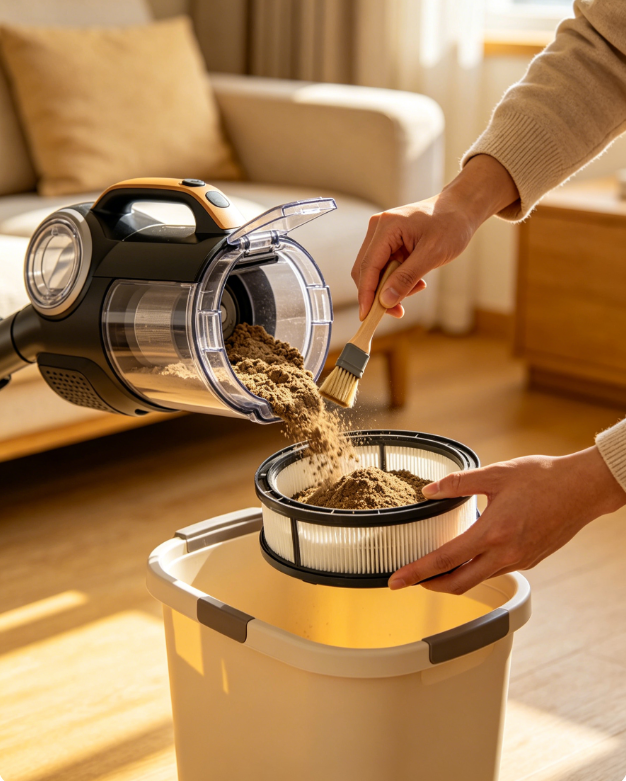
Vacuum performance declines largely due to neglected filter and dust bin maintenance. Blocked filters reduce suction, cause dust backflow, and blow fine particles back into indoor air. Dirty brush rollers trap hair and fibers, weakening cleaning effect on carpets and fabric surfaces.
Empty dust bins after each use to avoid accumulated dust compaction. Clean or wash removable filters according to product instructions and ensure full drying before reinstallation. Cut off tangled hair and fibers from roller brushes monthly. Well-maintained vacuums maintain stable suction and avoid secondary indoor dust pollution.
Scrub Brushes and Gap Brushes
Brushes used for tile gaps, bathroom corners, and kitchen crevices easily trap mold spores and old dirt inside dense bristles. Most users only flush brush surfaces, leaving deep residue untouched. Dirty brushes will spread mold and grime to clean gaps during repeated use.
Rinse brushes thoroughly after each use. Soak them in mild disinfectant solution for 10 minutes weekly to remove hidden bacteria. Shake out water completely and air dry bristles upward. Replace brushes when bristles bend, harden, or cannot be cleaned thoroughly.
Correct Tool Storage Habits to Prevent Secondary Pollution
Improper storage negates cleaning efforts. Even fully cleaned tools will grow mold and odor if stored in dark, humid, unventilated spaces.
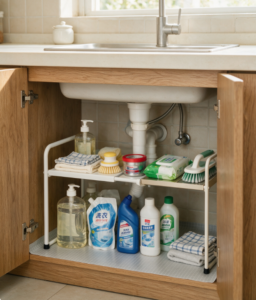
All damp cleaning tools must be hung vertically instead of stacked or folded. Hanging keeps bristles and fibers shaped correctly and accelerates air drying. Stacked tools retain moisture and create mold growth points.
Separate tool storage by usage scenario. Keep kitchen cleaning cloths and bathroom cleaning tools independently to avoid cross-contamination of grease and mold bacteria. Do not store cleaning tools together with unused towels or tableware cleaning supplies.
Keep storage areas ventilated. Regularly clean tool hanging areas and cabinet interiors to prevent accumulated dust and mold around cleaning supplies.
Tool Replacement Cycle Standards (No Blind Long-Term Use)
Cleaning tools are consumables, not permanent supplies. Continuing to use aging tools is the most common hidden cause of poor household hygiene.
Microfiber cloths should be replaced every 2–3 months under frequent use. Hardened fibers lose dust adsorption ability and scratch delicate surfaces easily.
Mop pads require replacement every 3–4 months. Long-term use causes residual dirt accumulation that cannot be cleaned completely.
Vacuum filters need regular replacement according to usage frequency, usually every 3–6 months, to ensure air filtration effect.
Scrub brushes can be used for 4–6 months. Deformed bristles cannot clean gaps effectively and easily hide dirt.
Conclusion
Household cleaning is only as effective as the tools used. Regular tool cleaning, standardized storage, and timely replacement eliminate secondary pollution sources that most families ignore. Maintaining clean tools improves cleaning efficiency, reduces reliance on strong chemical cleaners, and prevents recurring floor dullness, hidden odors, and bacterial growth. Simple tool maintenance habits create a genuinely clean and healthier home environment with no extra cleaning burden.