Fixing Common Cleaning Tool Issues: Practical, Hype-Free Maintenance for Long-Term Use
Most household cleaning tool problems develop gradually through everyday use. Stinky mops, streak-leaving cloths, weak vacuum suction, and ineffective scrub brushes are not inevitable flaws of affordable household tools. In nearly all cases, these issues stem from fixable maintenance errors, accumulated residual buildup, and incorrect post-use handling. Many homeowners discard fully functional tools prematurely, simply because they do not know how to reverse common tool degradation symptoms.
Why Cleaning Tools Stop Working Properly (Real Root Causes)
Cleaning tools lose performance for three consistent reasons: residual buildup, structural fatigue, and microbial contamination. These issues are invisible in early stages but gradually undermine cleaning results.
Residual buildup occurs when detergent film, kitchen grease, bathroom soap scum, and fine floor sediment accumulate faster than users can remove them. Over time, these residues coat microfiber fibers, clog sponge pores, and settle in brush bristles, creating a barrier that prevents tools from lifting dirt effectively.
Structural fatigue comes from repeated improper use, such as aggressive scrubbing, high-heat washing, and distorted storage. Tools lose their original shape, fiber softness, and bristle alignment, which directly reduces cleaning precision and coverage.
Microbial contamination develops when moisture is trapped inside tools and storage spaces. Bacteria and mold feed on organic residue, creating persistent odors that transfer back to floors, walls, and surfaces during cleaning.
Practical Fixes for the Most Common Cleaning Tool Problems
Microfiber Cloths That Leave Streaks and Fail to Hold Dust
Streaky wiping and poor dust retention are the top two microfiber cloth issues. This happens when invisible wax residue, fabric softener coating, or hardened grease blocks the tool’s micro-split fiber structure. Standard water rinsing cannot remove these bonded layers.
To restore performance, perform a simple residue reset wash. Use only lukewarm water and a small amount of neutral detergent. Wash cloths separately from regular laundry to avoid lint and chemical cross-contamination. Avoid bleach, fragranced additives, and dryer sheets entirely, as they permanently seal fiber gaps.
For heavily greasy kitchen cloths, soak them for 10 minutes in warm soapy water before washing. This dissolves embedded oil residue without damaging fiber flexibility. After cleaning, air dry in open airflow. Cloths that regain soft texture will resume strong dust and oil adsorption; only frayed, permanently stiff cloths require replacement.
Mop Pads That Smell Musty and Leave Hazy Floors
Hazy floor streaks and musty mop odors are caused by layered soap residue and trapped mold spores inside pad fibers. Many users rinse mops until the water runs clear, yet invisible chemical film and organic debris remain deep within dense fibers.
The reliable fix is periodic residue stripping. Once every two weeks, soak detachable mop pads in clean lukewarm water with mild neutral cleaner for 15 minutes. Gently squeeze and agitate the pads to release embedded floor wax and old detergent buildup. Rinse repeatedly until no foam appears during squeezing.
Eliminate odors completely by ensuring zero damp storage. Hang mop pads vertically in well-ventilated areas after every use. Never leave folded pads inside buckets, cabinets, or dark corners. Consistent drying prevents mold regrowth and keeps mopping results clean and streak-free.
Scrub Brushes With Bent Bristles and Trapped Grime
Cleaning brushes slowly lose effectiveness as bristles bend, mat together, and trap residual dirt at the base. Flat storage and aggressive scrubbing on rough surfaces are the main causes. Dirty, misaligned bristles cannot reach tile gaps and crevices, leaving hidden grime and mold behind.
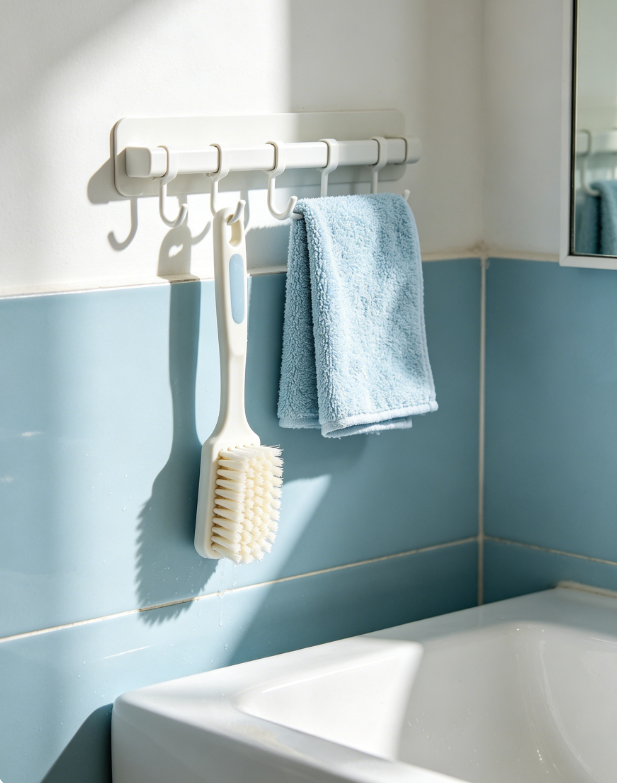
Reshape deformed soft and medium bristles by rinsing them under warm running water and manually realigning the bristle arrangement. Hang brushes upright immediately to air dry, allowing gravity to maintain straight bristle shape.
For grime buildup at bristle roots, soak brush heads in diluted neutral solution to loosen stubborn soap scum and mold residue before rinsing. Avoid using hard-bristle brushes on glossy surfaces, paint, or glass to prevent permanent scratches that worsen future dirt buildup.
Vacuum Cleaners With Weak Suction and Recurring Dust Blowback
Most vacuum performance drops are not motor-related. They result from clogged filters, blocked airways, and overwound roller brush debris. When airflow is restricted, vacuums fail to trap fine dust and instead blow tiny particles back into the air, causing secondary indoor dust pollution.
Fix weak suction by emptying the dust bin after each use and cleaning washable filters monthly. Allow filters to dry fully before reinstallation; even small amounts of moisture block airflow and breed mold inside the machine.
Cut tangled hair, threads, and pet fur from the roller brush every two weeks to reduce friction and maintain consistent rotation. Wipe down nozzle crevices to remove compacted dust that blocks air intake. This basic maintenance restores nearly full suction performance for most household vacuums.
Sponges That Turn Dark and Develop Sour Odors
Porous cleaning sponges quickly accumulate organic debris and bacteria deep inside their foam structure. Surface rinsing cannot remove embedded food residue and soap buildup, leading to dark discoloration and persistent sour smells.
Regular deep sanitization resolves most sponge issues. After daily use, squeeze out all trapped water to reduce moisture retention. Once weekly, soak sponges in mild diluted disinfectant solution for 10 minutes, then rinse thoroughly and air dry in open air.
Sponges with permanent black mold spots, degraded foam texture, or unremovable odors should be replaced immediately, as internal bacterial colonies cannot be fully eliminated through cleaning.
Preventative Maintenance to Avoid Future Tool Issues
Consistent low-effort prevention eliminates the need for frequent tool repairs and replacements. Three simple habits keep cleaning tools performing reliably long-term.
First, always remove loose debris before washing. Brushing off crumbs, hair, and dry dust prevents particles from embedding deeper into fibers and pores during rinsing.
Second, avoid cross-zone tool usage. Reserve separate tools for kitchen grease, bathroom moisture, and living room dust to stop cross-contamination and reduce heavy residue buildup on individual tools.
Third, prioritize airflow over quick storage. Slightly damp tools left in open air will dry completely; sealed storage guarantees mold growth and performance degradation.
Conclusion
Nearly all common cleaning tool failures are reversible with simple, consistent maintenance. Streaky cloths, smelly mops, weak vacuum suction, and ineffective brushes are caused by fixable residue buildup, structural deformation, and hidden microbial growth. By implementing regular residue cleaning, correct drying methods, and preventative usage habits, homeowners can preserve tool performance, extend tool lifespan, cut household consumable costs, and support consistently cleaner, healthier indoor environments.