Why Your House Is Always Dusty: Science-Backed Cleaning Methods to Reduce Recurring Dust
Many homeowners clean diligently yet struggle with endless indoor dust. Shelves, tables, floors, and window sills turn gray again within one to two days after wiping. Most people attribute this issue to poor air quality or insufficient cleaning frequency, but recurring household dust is rarely caused by cleaning laziness. It stems from incorrect cleaning methods, overlooked dust sources, and indoor static circulation that most standard cleaning guides ignore.
The Real Sources of Endless Household Dust
Indoor dust is not only brought in from outdoors. Over 60% of household dust is generated internally through daily residential activities. Understanding these invisible sources is the first step to long-term dust control.
Human and pet micro-debris forms the largest proportion of indoor dust. Dead skin cells, fine hair fragments, pet dander, and fabric lint shed every day and float in the air. These tiny particles are lightweight, hard to settle completely, and cannot be removed by ordinary dry wiping.
Textile shedding continuously supplements indoor dust. Bedding, curtains, sofas, carpets, and clothing release fine fiber fragments during friction and ventilation. These textile particles mix with outdoor sediment, forming the gray composite dust that accumulates rapidly on household surfaces.
Improper cleaning behavior also creates artificial dust circulation. Dry sweeping, dry dusting with static cloths, and rushed mopping stir settled dust back into the air, causing secondary pollution and making the room dusty again shortly after cleaning.
Common Dust Cleaning Mistakes That Make the Problem Worse
Dry Wiping and Dry Sweeping
Dry rags and brooms only gather large visible dust particles. Fine micro-dust is stirred into the air and resettles on all surfaces within hours. This traditional cleaning method creates a vicious cycle: cleaning temporarily removes visible dust but increases floating micro-dust concentration indoors.
Cleaning From Bottom to Top
Cleaning floors first before wiping high shelves, window sills, and ceiling corners leads to inevitable secondary dust pollution. Dust falling from high surfaces covers newly cleaned floors, resulting in repeated cleaning work and incomplete dust removal.
Ignoring Hidden Dust Accumulation Zones
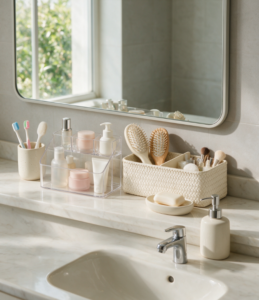
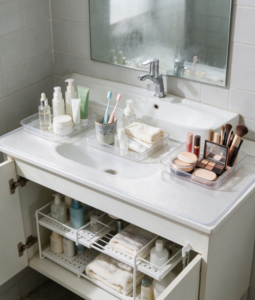
Most users only clean exposed flat surfaces. Hidden areas including furniture gaps, wall crevices, air conditioner outlets, and lamp shade bottoms accumulate thick dust layers over time. These blind spots become fixed indoor dust sources, releasing particles continuously during ventilation and indoor activity.
Science-Based Methods to Cut Recurring Household Dust
Use Damp Dust Removal Instead of Dry Cleaning
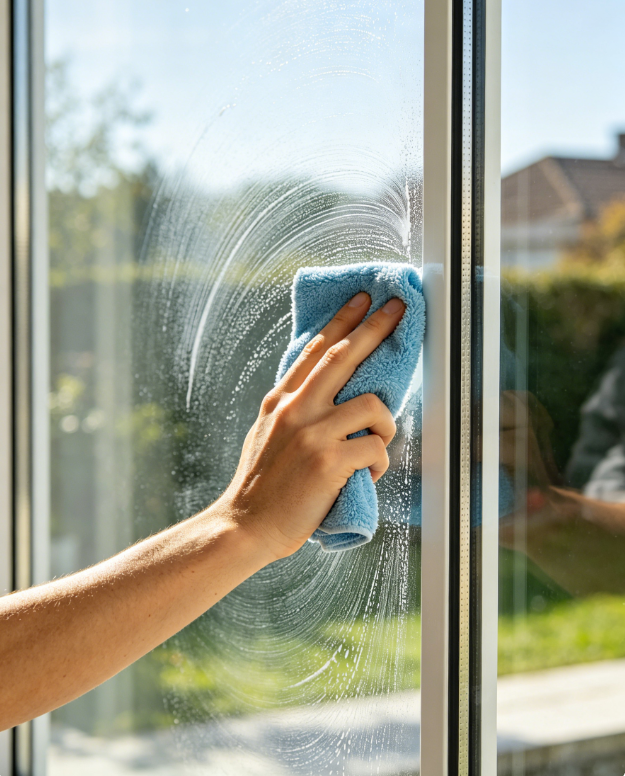
Damp microfiber wiping is the most effective way to trap micro-dust without secondary scattering. Slightly dampened (not wet) cloths lock fine particles, skin debris, and lint firmly during wiping, preventing floating and resettling. This method works for all hard surfaces, including tables, cabinets, window frames, and electrical appliance surfaces.
For dry seasons with severe static electricity, damp dust removal neutralizes surface static charges, reducing the ability of surfaces to actively adsorb floating dust. This significantly extends the dust-free maintenance cycle.
Follow Standard Top-to-Bottom Cleaning Order
Always clean high areas first and low areas last. Start with ceiling corners, lamp surfaces, and upper window sills, then wipe middle furniture surfaces, and finish with floor mopping. This ensures all falling dust is finally cleaned by floor mopping, eliminating secondary pollution completely and improving cleaning efficiency.
Regularly Clean Dust Release Hotspots
Air circulation equipment is easily overlooked but critical for dust control. Air conditioners, fans, and heater filters accumulate massive dust. When turned on, these devices blow trapped dust directly into indoor air, spreading particles across the entire room.
Clean air outlet covers and filter screens monthly to reduce circulating dust. Wipe lampshades, furniture gaps, and wall skirting boards weekly to clear hidden dust reservoirs and cut off continuous dust release.
Control Textile Fiber Shedding
Reduce indoor fiber dust by maintaining household textiles regularly. Wash bedding, sofa covers, and curtains on a fixed cycle to remove loose fiber fragments and accumulated dander. Use a vacuum brush to gently comb fabric surfaces weekly, removing floating lint before it becomes airborne dust.
Long-Term Daily Habits to Keep Homes Dust-Free Longer
Moderate and fixed ventilation helps discharge floating micro-dust. Avoid long-term fully closed rooms, which cause dust accumulation and air stagnation. Meanwhile, avoid prolonged window opening on windy and hazy days to reduce outdoor particulate invasion.
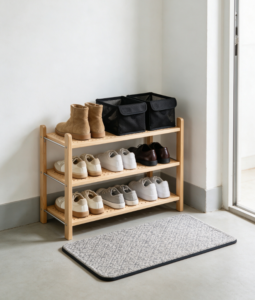
Use entryway dust control measures. Dust-proof doormats and timely shoe cleaning block outdoor sediment from being tracked indoors, cutting the largest external dust source.
Maintain moderate indoor humidity. Extremely dry air intensifies static electricity and dust floating. Keeping stable mild humidity reduces static adsorption and slows dust resettlement speed.
Conclusion
Persistent household dust is not an unsolvable environmental problem but a fixable cleaning logic error. Blind repeated cleaning cannot reduce dust fundamentally; only correcting dust-stirring behaviors, adopting damp dust removal methods, cleaning hidden dust hotspots, and controlling internal fiber shedding can effectively break the dust circulation cycle. By implementing scientific dust cleaning and prevention habits, homeowners can significantly reduce indoor dust accumulation, maintain long-term clean and fresh surfaces, and cut down invalid repetitive housework.