How to Permanently Eliminate Household Odors: Root-Cause Cleaning Guide (No Fragrance Cover-Ups)
Most households rely on air fresheners, scented candles, and room sprays to mask unpleasant indoor smells. This common method only covers odors temporarily instead of eliminating their source. Within hours, musty, stale, or lingering food smells return, creating a recurring cycle of odor and cover-up. Persistent household odors are never random; they stem from hidden dirt, trapped moisture, bacterial growth, and overlooked residue in daily living spaces.
The Real Hidden Sources of Common Household Odors
Unpleasant home odors rarely originate from visible dirty areas. Most subtle, long-lasting smells come from invisible microbial growth and accumulated organic residue in undisturbed corners and high-moisture zones. Unlike surface dirt, these odor sources build up slowly and cannot be removed by simple ventilation or fragrance spraying.
Trapped moisture is the top cause of indoor odors. Residual water in fabric tools, floor gaps, bathroom crevices, and under furniture creates a humid microenvironment for mold, mildew, and bacterial reproduction. The metabolic byproducts of these microbes produce persistent musty and stale smells that permeate indoor air.
Oxidized organic residue is another major source. Invisible kitchen oil mist, spilled food particles, pet body oils, and human skin debris accumulate on surfaces, oxidize over time, and release faint sour or rancid odors. Even clean-looking rooms develop weird smells due to long-term residue oxidation.
Room-by-Room Odor Elimination Cleaning Methods
Persistent Kitchen Cooking Odors
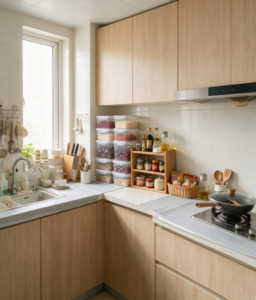
Cooking odors linger for days not because of poor ventilation, but because tiny oil and food particles adhere to indoor surfaces. Range hoods only remove partial airborne grease; the remaining fine mist settles on cabinet tops, wall tiles, refrigerator surfaces, and window frames.
As these thin oil layers oxidize at room temperature, they release stale cooking smells that recur even after ventilation. Many homeowners only clean stove tops while ignoring these upper hidden areas, leading to long-term residual kitchen odors.
To eliminate kitchen odors fundamentally, perform weekly light degreasing on upper wall surfaces, cabinet exteriors, and appliance outer shells. Use a mild neutral degreaser to wipe away oxidized oil film. Clean range hood filters monthly, as clogged grease-filled filters are one of the biggest hidden odor sources. Wipe up food spills completely immediately after cooking to avoid organic residue deterioration.
Musty Bathroom Odors
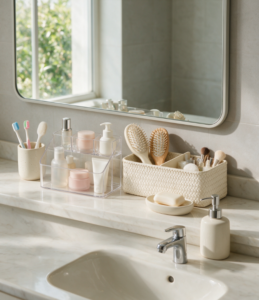
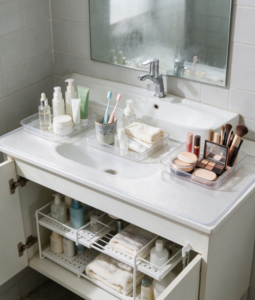
Bathroom musty smells are not caused by toilet odors alone. Most come from tile grout, floor drain gaps, shower door tracks, and sink bases. These areas trap soap scum, hair residue, and stagnant water. In humid conditions, the mixed organic debris breeds mildew and anaerobic bacteria, releasing continuous earthy, musty odors.
Daily flushing and spraying cannot eliminate embedded dirt in gaps. The correct solution is targeted gap cleaning and complete drying. Remove hair and debris from floor drains regularly to prevent water stagnation. Scrub tile grout lines monthly to clear accumulated residue. After every bathroom use, promote air circulation to evaporate residual moisture on floors and walls.
Stale Living Room & Bedroom Odors
Stale, stuffy smells in dry living areas confuse many homeowners, as there is no obvious water or food pollution. These odors mainly come from fabric furnishings and static dust accumulation. Sofas, cushions, curtains, carpets, and bedding trap skin flakes, pet dander, and floating dust deep inside fiber gaps.
Over time, these organic debris decompose slowly in relatively warm indoor environments, producing faint stale odors. Accumulated static dust also absorbs indoor odor molecules, making the smell linger continuously.
Vacuum fabric furniture and carpets weekly with a high-filtration vacuum to remove deep embedded debris. Regularly air out bedding and curtains to eliminate fiber-stored odor molecules. Wipe dust off walls and ceiling corners monthly to reduce odor-absorbing dust layers.
Mop & Cleaning Tool Sour Smells
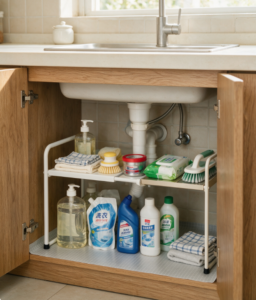
Dirty cleaning tools are a widely ignored odor source that pollutes the entire house. Mop pads, sponges, and cleaning cloths trap floor dirt, kitchen grease, and bathroom moisture. Improperly stored damp tools breed bacteria and mold, producing sour, mildew-like odors.
During each cleaning session, the smelly tools transfer odor molecules and bacteria to floors and surfaces, spreading the smell across the whole room. This creates a strange cycle: cleaning the house makes it smell worse.
Solve tool odors by deep cleaning and full drying after each use. Rinse mop pads and cloths thoroughly to remove all residue, squeeze out excess water completely, and hang vertically in ventilated areas. Replace sponges and severely worn tool accessories regularly to avoid permanent bacterial accumulation.
Key Habits to Prevent Recurring Household Odors
Prioritize drying over cleaning: Most indoor odors are moisture-driven. Keeping all surfaces, fabrics, and cleaning tools dry cuts off microbial growth conditions, which is the most effective odor prevention method.
Avoid residue accumulation: Invisible oil film, soap scum, and dust layers are odor carriers. Regular light wiping prevents residue oxidation and odor release.
Maintain intermittent ventilation: Long-term closed rooms trap odor molecules and humid air. Short daily ventilation exchanges stale indoor air with fresh outdoor air and reduces odor concentration.
Zoned tool usage: Separate kitchen, bathroom, and living room cleaning tools to avoid cross-contamination of mold, grease, and bacteria that cause mixed strange odors.
Common Odor-Cleaning Mistakes to Avoid
Over-reliance on air fresheners is the biggest mistake. Scented products only cover odors temporarily and mix with original unpleasant smells to create weird composite odors. They do not remove odor sources at all.
Blind disinfection is another ineffective habit. Frequent spraying of disinfectant on surfaces leaves chemical residue, which mixes with organic dirt to form peculiar smells and irritates indoor air quality.
Single partial cleaning cannot solve whole-house odors. Even if one odor source is removed, other hidden contaminated areas will continue to release smells, making users feel the odor is unresolvable.
Conclusion
Permanent household odor elimination relies on source cleaning and long-term moisture control, not temporary fragrance masking. Most indoor musty, stale, and lingering food odors come from hidden gap dirt, oxidized residue, damp cleaning tools, and unventilated stagnant air. By targeting real odor sources with scientific cleaning methods, maintaining dry indoor environments, and developing standardized daily maintenance habits, homeowners can completely remove recurring household odors, keep indoor air fresh, and create a truly clean and comfortable living environment.