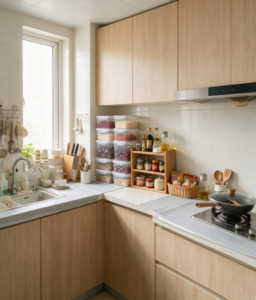
Hype-Free Household Goods Buying Guide: Practical, Compliant Selection Tips for 2026
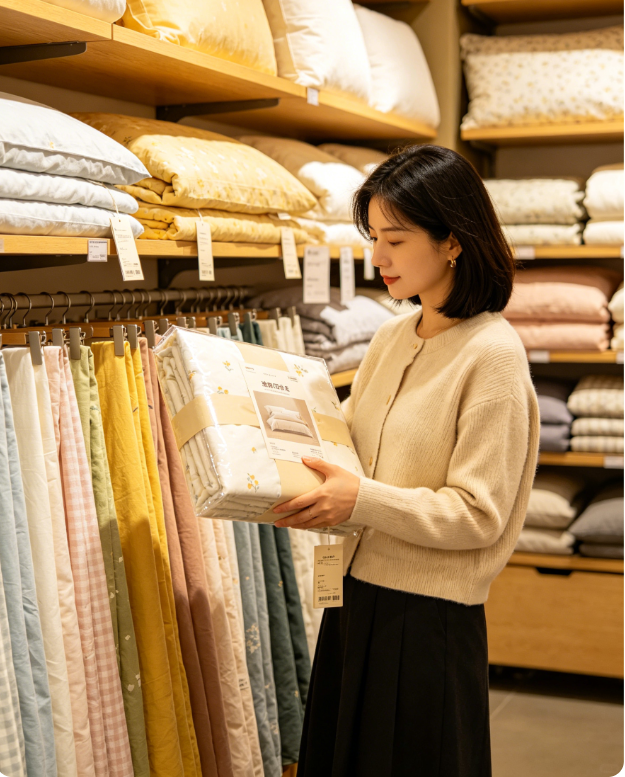
Many household purchases end up as wasted money. Shoppers often choose items based on social media trends, bold marketing buzzwords, or limited-time discounts, without considering real-life usability, durability, and maintenance needs. A large number of popular home products feature attractive appearances but suffer from weak structural performance, poor material stability, and short service lifespans. This leads to frequent replacements, extra housework, and unnecessary home clutter.
Basic Neutral Buying Principles
These core principles apply to all household categories and help shoppers avoid most low-quality and impractical products.
Function comes before aesthetics. Decorative value should never override practical functionality. Any household item that fails to solve daily living problems will eventually become useless clutter. When evaluating products, prioritize whether the item improves tidiness, saves labor, enhances living comfort, or optimizes space. Overdesigned products with complicated shapes and redundant decorations usually collect dust and increase long-term maintenance burdens.
Select items based on your actual household conditions. There is no universal “best” household product. Suitability depends on room size, indoor humidity, family structure, and personal lifestyle. Small homes require compact, space-saving options. Households with kids or pets need sturdy, non-toxic, stain-resistant, and scratch-proof materials. Busy residents benefit most from low-maintenance, easy-to-clean goods that require minimal upkeep.
Focus on long-term value, not upfront price. Extremely cheap household items typically use low-grade materials that deform, fade, or break quickly. Constant repurchases create higher overall costs over time. At the same time, high pricing does not guarantee premium quality. True cost performance comes from stable structure, qualified raw materials, wear resistance, and accessible replacement parts.
Objective Selection Standards by Household Category
General Furniture
Furniture is a long-term home asset, so structural stability is the most critical evaluation factor. Reliable furniture features tight joints, solid support frames, and smooth, durable hardware. High-quality hinges, screws, and sliding rails prevent shaking, loosening, and noise after years of daily use.
Low-density composite boards are prone to moisture absorption, bulging, and deformation in changing indoor humidity environments. Furniture with kiln-dried wood and reinforced frames offers better stability and adaptability. For upholstered furniture such as sofas, high-density foam maintains consistent support and shape, while low-quality padding sags permanently. Removable and washable fabric covers extend service life and reduce routine cleaning difficulty.
Storage and Organization Products
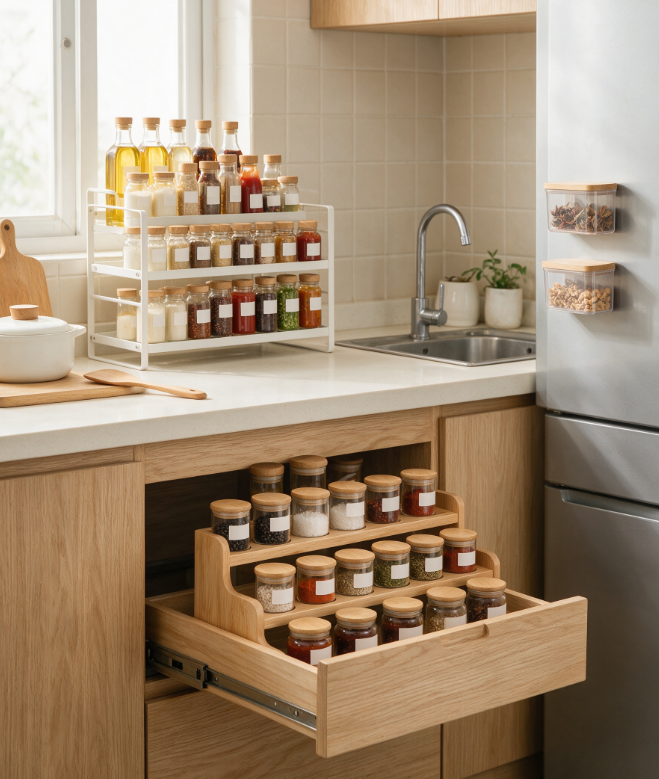
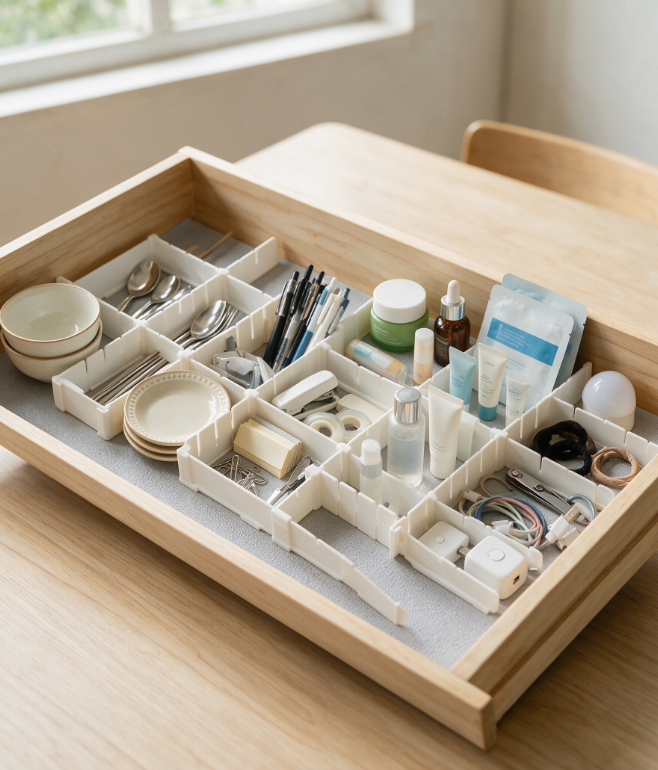
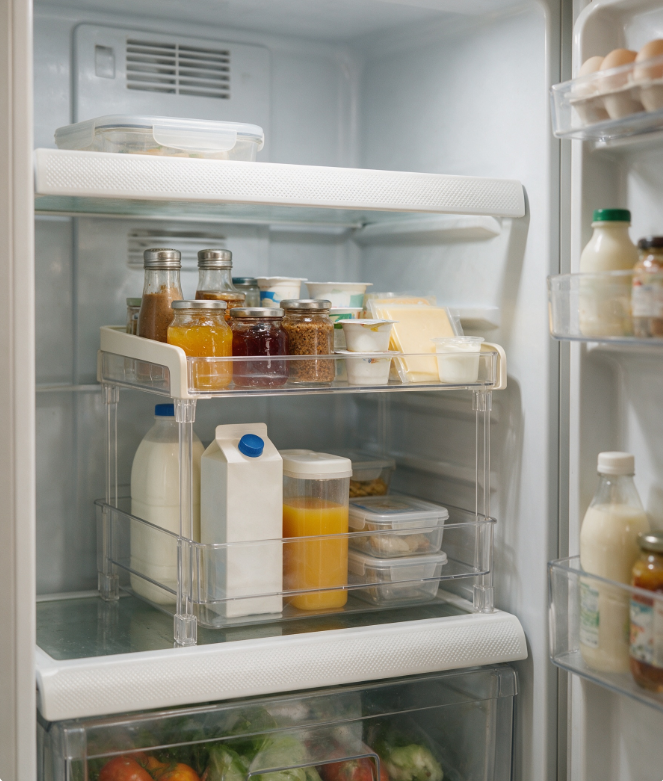
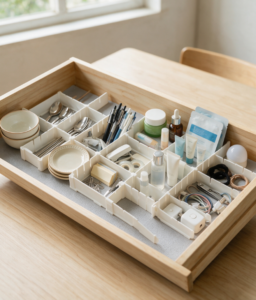
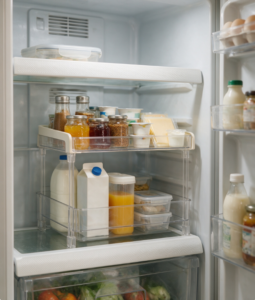
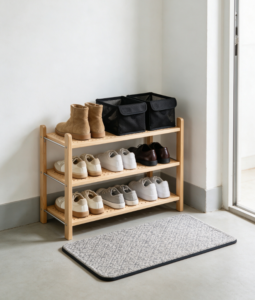
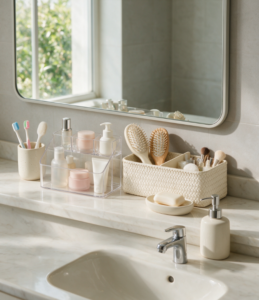
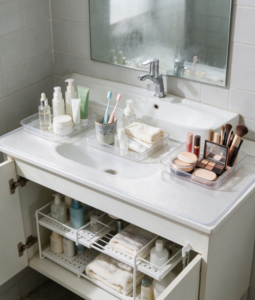
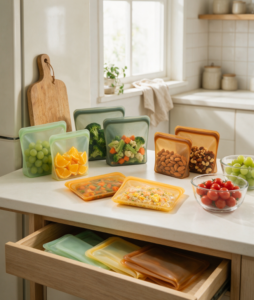
Effective storage products simplify household management instead of adding burden. Qualified organizers provide stable load-bearing capacity, moisture resistance, and dust-proof performance. Thin, fragile plastic boxes often crack under stacking pressure and cannot sustain long-term daily use.
Uniform, stackable designs maximize vertical space and keep layouts neat. Irregular shapes and excessive decorative edges create hard-to-clean dust corners. Transparent casings or label-friendly designs improve item searching efficiency, offering greater practicality than purely decorative storage solutions.
Household Cleaning Tools
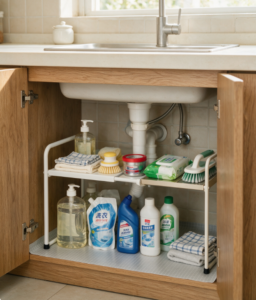
Practical cleaning tools adopt simple, detachable structures. Overhyped multi-functional cleaning tools often have complex internal gaps that trap dirt and bacteria, making thorough cleaning difficult. Single-function tools with smooth surfaces and fully washable parts deliver more stable long-term performance.
For electric cleaning devices, technical parameters do not reflect real usability. Consumers should focus on floor adaptability, daily noise levels, and the availability of replacement consumables. Products without accessible spare parts often become obsolete early, even if the main unit remains functional.
Home Textiles
Bedding, curtains, and rugs require strict material safety standards due to direct and prolonged human contact. Trustworthy textiles feature clear ingredient labels, no unusual chemical odors, and stable color fastness to prevent fading during repeated washing.
Curtain selection should match functional needs: bedroom curtains need proper shading for stable sleep quality, while living room curtains prioritize light transmission and ventilation. High-pile textiles look cozy but accumulate dust, mites, and pet hair easily, requiring frequent deep cleaning. Flat woven fabrics offer better durability and lower maintenance for regular family use.
Common Consumer Pitfalls to Avoid
Overvaluing multi-functional integration. Most all-in-one household products compromise individual functional performance. Professional single-purpose tools usually work more reliably and last longer than hybrid multi-function designs.
Following viral home trends blindly. Internet-popular household items are often designed for novelty rather than long-term compatibility. They rarely match universal home styles and daily needs, frequently turning into idle clutter after the initial usage excitement fades.
Overlooking after-sales support and warranties. Many unbranded low-cost goods provide no quality guarantee or after-sales service. For frequently used household items, basic warranty coverage and accessible customer support help avoid unnecessary losses from premature damage or factory defects.
Conclusion
Rational household shopping focuses on demand matching rather than trend chasing. The most reliable home goods are practical, durable, low-maintenance, and compatible with personal living habits. By ignoring marketing hype, evaluating products based on objective quality indicators, and calculating long-term usage costs, consumers can build a tidy, comfortable, and cost-efficient home environment with zero unnecessary waste.