Practical Home Cleaning Guide: Skip the Hacks, Build Cleaner Habits
Most home cleaning content online focuses on temporary visual results rather than long-term household hygiene. Viral cleaning hacks often require specialized tools, risky chemical combinations, or excessive scrubbing that wears down surfaces over time. Busy homeowners frequently cycle through deep cleaning sessions, only to deal with returning dust, faint odors, cloudy fixtures, and sticky surfaces within a few days. This recurring mess is not caused by poor effort—it stems from unfixed daily cleaning mistakes and neglected low-visibility dirt buildup.
Why Your Home Never Stays Clean (Real, Overlooked Causes)
Consistent cleanliness fails not because of insufficient cleaning frequency, but incomplete cleaning. Most people only remove visible surface dirt while leaving invisible residues untouched. Thin layers of soap scum, kitchen oil mist, hard water minerals, and microscopic organic debris build up gradually. These residues attract more dust, breed bacteria, trap humidity, and turn minor messes into stubborn stains and persistent odors.
Sustainable cleaning does not require more work. It requires targeted work that eliminates hidden buildup and prevents dirt from layering over time.
Kitchen Cleaning: Eliminate Invisible Buildup & Lingering Food Odors
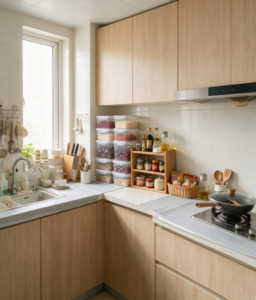
Kitchens develop the most persistent household grime due to daily cooking residue, food splatters, and warm humid air that bonds dirt to surfaces. Routine wiping alone cannot prevent layered buildup.
Clean under-counter appliance gaps and bases. Blenders, food processors, and electric kettles leave tiny food crumbs, oil droplets, and dust in the gaps where they meet countertops. These hidden particles decompose over time, creating faint stale odors and attracting small pests. A quick weekly wipe or vacuum of these narrow gaps keeps kitchen counters hygienic.
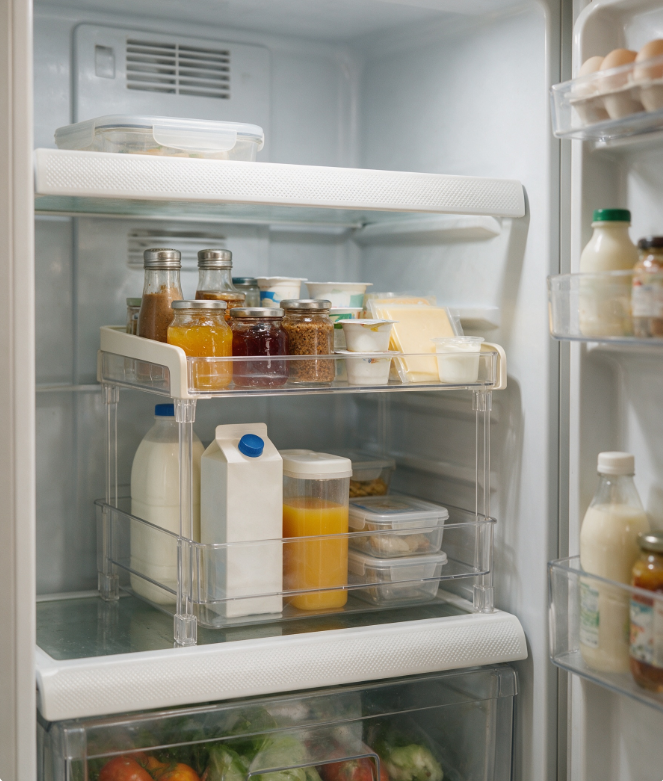
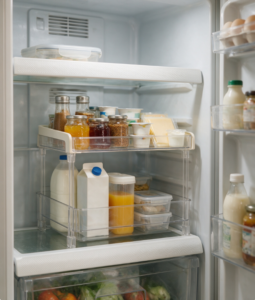
Remove refrigerator door bin residue. Door bins experience frequent temperature changes, causing spilled liquids and sauce residues to thicken and stick. Unlike main shelf spaces, door bins are rarely fully cleaned, leading to cross-contamination and subtle food odors. Emptying and wiping door bins biweekly maintains fridge freshness without full deep cleaning.
Degrease kitchen faucet surfaces and handles. Hands covered in cooking oil and food residue frequently touch faucet hardware, leaving invisible grease films. Over time, these films collect dust, turn yellow, and become sticky. Regular wiping with mild soap water restores clean, smooth surfaces.
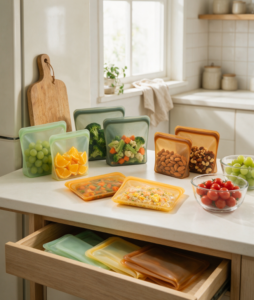
Air-dry all kitchen utensils completely before storage. Storing slightly damp utensils and containers in closed cabinets creates trapped humidity, fostering mold growth and musty cabinet odors. Full air drying eliminates this common, overlooked hygiene issue.
Bathroom Cleaning: Stop Cyclical Mold, Limescale & Hidden Damp Odors
Bathroom deterioration is almost entirely preventable. Mold, foggy glass, dark grout, and damp smells are not inevitable side effects of daily use—they result from unresolved moisture and mineral buildup left after regular bathroom activities.
Clean inside shower door bottom tracks. Water, soap scum, and fine dirt settle in narrow door tracks, stagnate, and turn black or moldy. Most users clean visible glass and tiles but ignore these tracks, which become the main source of shower area odors. A small brush and warm water easily clear buildup before it hardens.
Sanitize toilet flush handles and side fixtures. These high-touch points accumulate bacteria from repeated hand contact yet are rarely cleaned. Regular light sanitization reduces germ spread without extra time investment.
Wipe down bathroom wall tiles after hot showers. Hot steam leaves invisible moisture on wall tiles and grout. Trapped steam humidity feeds mildew growth and gradually darkens grout lines. A quick post-shower wipe or consistent ventilation prevents long-term tile discoloration.
Replace disposable bathroom cleaning supplies regularly. Toilet cleaning pads, disposable wipes, and sponge heads degrade after repeated use, harboring bacteria and losing cleaning effectiveness. Timely replacement ensures consistent hygiene results.
Living Room & Bedroom: Reduce Chronic Dust & Hidden Allergens
These living spaces appear clean visually but host large amounts of invisible indoor pollutants. Fabric fibers, pet dander, dead skin cells, and static dust circulate continuously, causing stuffy air, minor allergies, and surfaces that dull quickly after cleaning.
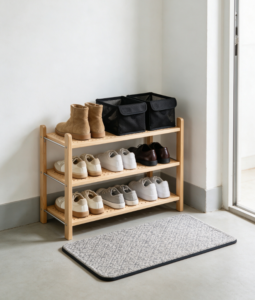
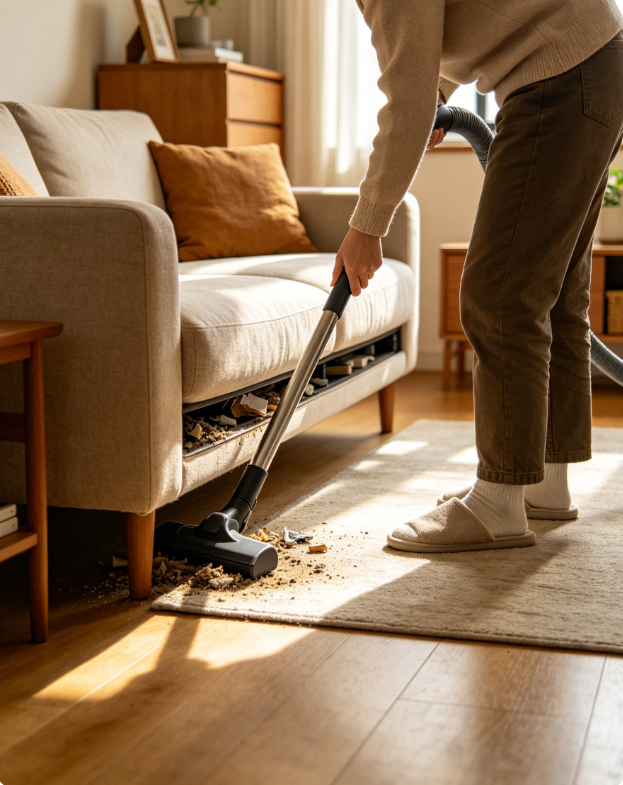
Vacuum underneath loose rugs and floor runners. Dust, hair, and outdoor debris settle under rugs and accumulate undisturbed. Foot traffic stirs this hidden dirt back into the air, creating recurring indoor dust. Lifting and cleaning under rugs monthly reduces overall household dust circulation.
Dust interior window frames and trim. Window trim and inner frame edges collect static dust that resettles on furniture and floors. Regular light dusting eliminates a major hidden dust source with minimal effort.
Rotate and clean seasonal bedding. Blankets, comforters, and seasonal pillow inserts stored in closets collect dust and closet odors. Regular airing and surface vacuuming keeps bedroom air fresh and reduces embedded allergens.
Home Office & High-Touch Surface Hygiene
Workspaces contain some of the germiest surfaces in a home due to constant hand contact and low cleaning frequency. Delicate electronics also require careful, damage-free maintenance to preserve functionality and appearance.
Clean desk cable management areas. Bundled cables and wire organizers trap dust and crumbs in hard-to-reach gaps. Regular dusting of cable zones eliminates hidden dead corners and keeps workstations tidy.
Sanitize tablet screens and styluses. Daily use leaves fingerprints, oil residue, and bacteria on portable devices. Gentle cleaning with dry microfiber cloths removes buildup without damaging sensitive screen coatings.
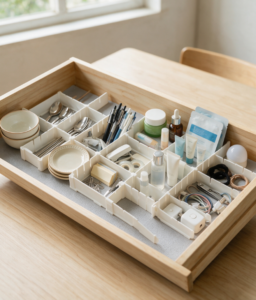
Wipe down desk organizers and storage trays. Small trays, pen holders, and document sorters collect dust and hand oil over time. Routine wiping maintains a clean, organized workspace and prevents bacterial buildup.
Low-Impact Cleaning Habits That Protect Your Home
Many standard cleaning practices gradually damage household surfaces, leading to faster wear, dullness, and easier dirt adhesion.
Avoid over-scrubbing tiled grout. Aggressive scrubbing wears away grout texture, creating porous rough surfaces that trap more dirt and mold. Gentle, regular cleaning is far more effective than occasional harsh scrubbing.
Never use multi-purpose cleaners on every surface. Some formulas are too harsh for wood, stone, or delicate coatings, causing gradual fading and surface degradation. Matching cleaners to material types preserves home finishes long-term.
Do not leave cleaning residues unchecked. Leftover soap or cleaner film attracts dust and creates sticky surfaces. A final wipe with clean water or a dry cloth eliminates residual film for longer-lasting cleanliness.
Busy-Friendly Cleaning Routine (No Burnout, No Overcleaning)
The most sustainable cleaning routines rely on consistent micro-maintenance instead of exhausting weekend deep cleans.
Daily 3-minute reset. Clear wet trash, dry damp surfaces in kitchens and bathrooms, and tidy surface clutter to stop minor messes from aging into stubborn dirt.
Weekly zone maintenance. Rotate focus areas weekly: kitchen residue control, bathroom moisture management, living room dust reduction, and office sanitization. This balances workload and prevents cleaning fatigue.
Quarterly deep hidden-area cleaning. Target appliance undersides, furniture gaps, wall trim, and storage corners to clear accumulated dirt that routine cleaning misses.
Conclusion
Truly effective home cleaning is systematic and preventative, not reactive. It does not require expensive products, professional skills, or hours of free time. By eliminating hidden residue buildup, controlling indoor moisture, fixing damaging cleaning habits, and maintaining simple consistent routines, homeowners can sustain a clean, fresh, and hygienic living environment year-round. All advice in this article is practical, verifiable, and tailored for real lived-in homes with no unrealistic standards or exaggerated results.