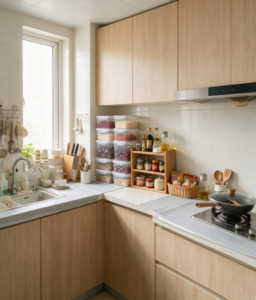
Practical Household Goods Buying Guide: Make Smart, Long-Lasting Home Choices

Buying household items is not about chasing trendy designs or low-price bargains. The best home goods align with your living habits, fit your living space, and deliver stable performance over time. Many consumers end up wasting money on impractical, short-lived, or hard-to-maintain products due to impulsive purchases or misleading marketing. This neutral, user-oriented guide covers core purchasing principles and key selection criteria for daily household essentials, helping overseas shoppers make rational, cost-effective decisions without overspending or falling for false hype.
1. Core Purchasing Principles for All Household Items
These basic rules apply to all daily household goods, from large furniture to small daily necessities, serving as the foundation of sensible shopping.
Prioritize Function Over Aesthetics
Stylish designs can enhance home ambiance, but functionality always comes first. A decorative item with no practical value will eventually become clutter. Before purchasing, ask one simple question: does this product solve a specific daily problem, such as storage organization, space optimization, or daily convenience? Avoid products with exaggerated appearances but flawed practicality, which are common in fast-selling home decor lines.
Match Your Space and Lifestyle
Never buy items based solely on online recommendations. First, measure your actual living space, including room size, doorway width, corridor turning space, and ceiling height. Oversized furniture or bulky storage tools will block walking routes and make the room cramped. Meanwhile, match products to your family situation: families with kids or pets should prioritize scratch-resistant, stain-proof, and non-toxic materials; busy working households need low-maintenance, easy-to-clean goods instead of high-maintenance delicate items.
Focus on Long-Term Value Instead of Unit Price
Low-cost products often come with short service life, poor material quality, and frequent replacement costs. High-priced items do not equal high quality either. The true cost performance depends on total service life, maintenance difficulty, and replacement part availability. A moderately priced durable product that lasts 5–10 years is far more cost-effective than cheap disposable goods that need annual replacement.
2. Key Selection Criteria for Classic Household Categories
Below are targeted, objective selection tips for frequently purchased household goods, avoiding over-promotion and focusing on real usage experience and quality judgment.
Furniture (Sofas, Cabinets, Dining Sets)
Furniture is a long-term home investment, so construction quality and materials determine its service life. For wooden furniture, kiln-dried hardwood and solid wood frames offer better stability and are less prone to deformation and cracking compared to thin veneer or particleboard products. Check the tightness of joints and hardware fittings—detachable and replaceable screws and hinges greatly extend furniture service life.
For upholstered sofas and chairs, high-density rebound foam maintains its shape and support after long-term sitting, while low-density foam will sag and flatten within months. Removable and washable fabric covers are a practical must for most families, effectively reducing cleaning costs. When testing comfort, ensure the seat depth and back height fit natural sitting postures, avoiding overly soft designs that cause lumbar fatigue.
Storage & Organization Supplies
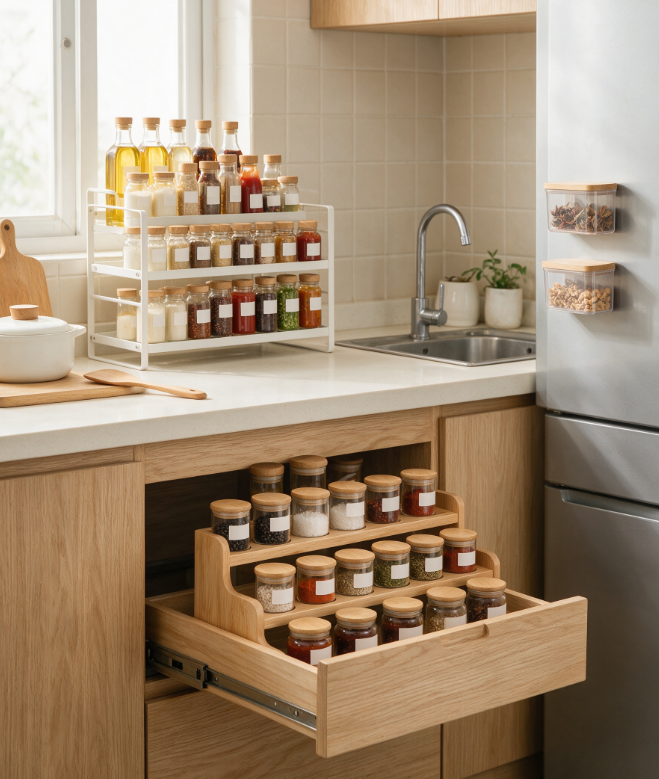
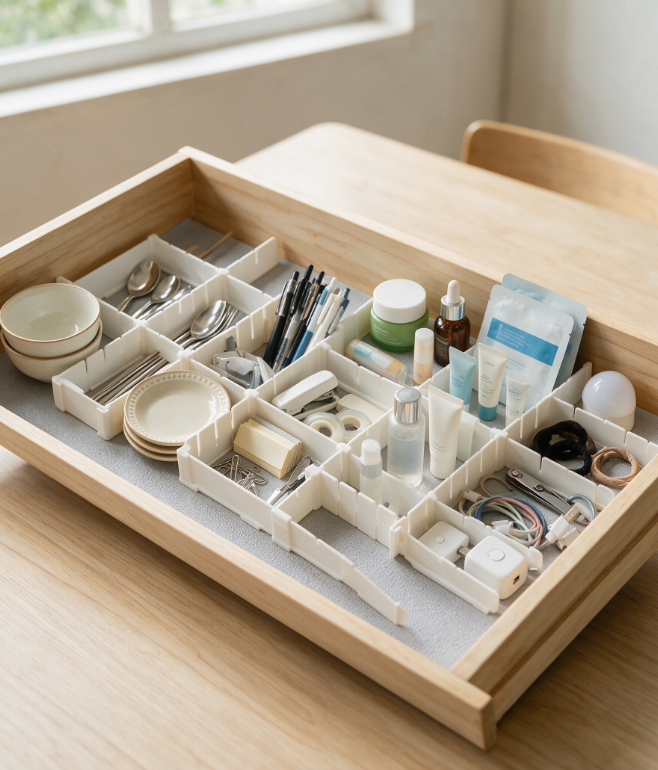
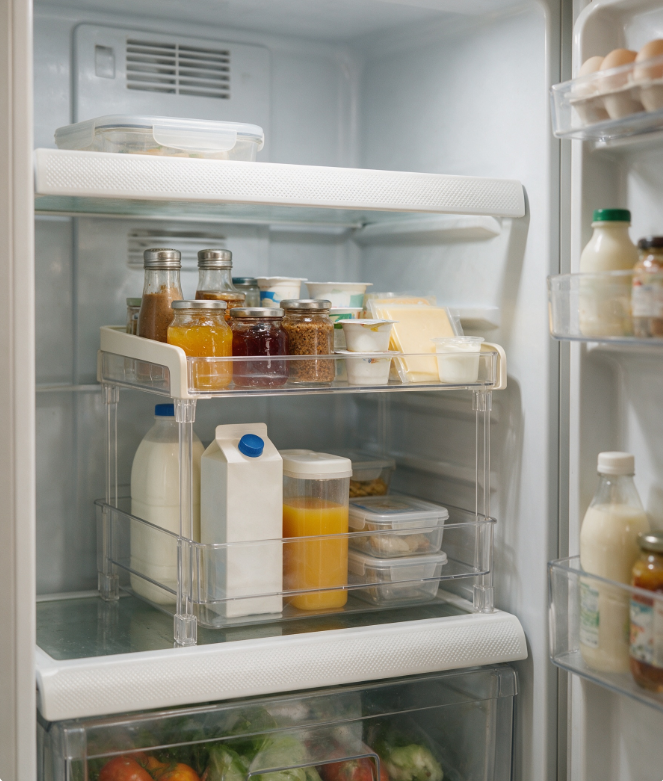
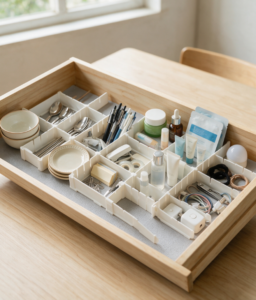
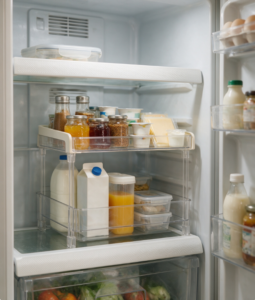
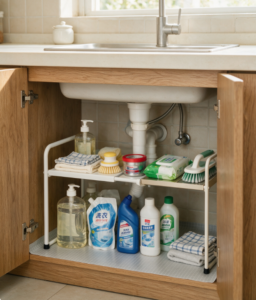
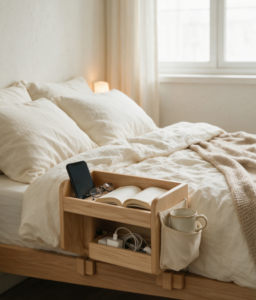
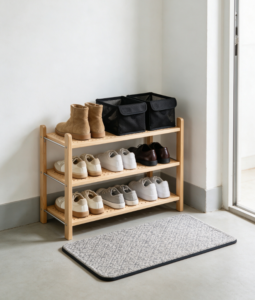
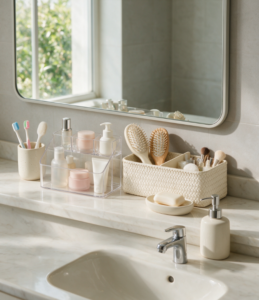
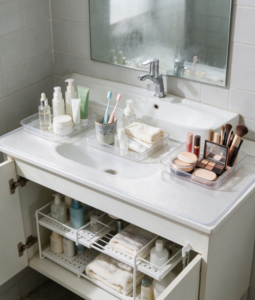
The core of storage products is compatibility and load-bearing capacity. Avoid blindly buying oversized storage boxes and multi-layer racks. For closed cabinets and desktop storage tools, choose waterproof and moisture-proof materials to adapt to different indoor humidity. For open racks, focus on load-bearing test data and structural stability to prevent deformation or collapse after placing heavy items.
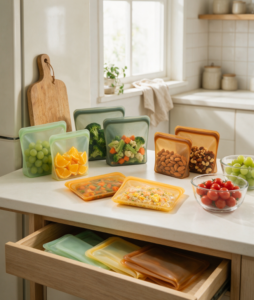
Uniform-size storage boxes are more space-saving than irregularly shaped ones, facilitating stacked storage and unified arrangement. Transparent or labeled designs improve item retrieval efficiency, which is more practical than purely decorative colored storage products.
Daily Cleaning Tools
Durability and cleaning efficiency are the two core indicators for cleaning supplies. Mops, brooms, and cleaning cloths should adopt wear-resistant fibers that do not shed hair or leave water streaks. Avoid overly complex multi-functional cleaning tools—intricate structures are hard to clean and breed bacteria easily. Simple, detachable, and washable designs are more suitable for daily long-term use.
For electric cleaning tools such as vacuum cleaners and small sweepers, do not over pursue high parameter data. Focus on actual floor adaptability and noise control. Meanwhile, confirm the replaceability of consumable parts (filter screens, brush heads) to avoid situations where the whole machine is scrapped due to unavailable accessories.
Soft Furnishings (Curtains, Rugs, Bedding)
Soft furnishings directly affect home comfort and indoor health. Prioritize products with clear material labels and safety certifications, free from peculiar smells and harmful chemical residues. For curtains, choose thickened shading fabrics for bedrooms and light and breathable materials for living rooms, matching lighting needs instead of blindly pursuing full shading.
Rugs and bedding should focus on skin-friendliness and washing resistance. Low-quality short-pile products are easy to hide dust and breed mites, increasing cleaning pressure. For families with sensitive skin and allergic groups, high-density woven cotton and linen materials are more practical and safer.
3. Common Shopping Pitfalls to Avoid
Blindly Chasing Multi-Functional Designs
Many merchants hype “all-in-one multi-functional” household goods, but most mixed-function products have average performance in every function. A single-functional professional product often has better stability and durability than a multi-functional alternative.
Ignoring After-Sales and Warranty Terms
Small household goods are often ignored in after-sales service, but qualified products should have clear warranty periods and after-sales channels. Avoid no-brand products without after-sales guarantees. For high-value household items, carefully check warranty scope, repair conditions, and return policies to avoid hidden costs.
Overconsumption Caused by Trendy Marketing
Seasonal trendy home goods and Internet-famous niche products usually have low practicality and poor universality. They cannot adapt to long-term home style and living habit changes, and are easy to be eliminated quickly, resulting in resource waste.
4. Final Shopping Suggestions
Smart household shopping is a process of matching products with personal needs, not a pursuit of high-end or trendy products. Before every purchase, confirm your actual demand, space conditions, and long-term usage scenarios. Take material quality, durability, maintenance cost, and after-sales service as core judgment standards, and take aesthetic design as a secondary reference.
Sticking to rational consumption can help you select practical, durable, and cost-effective household goods, create a comfortable and low-maintenance home environment, and avoid unnecessary economic and resource waste.