Practical Home Cleaning Guide: Long-Lasting Clean Results Without Overcomplicated Work
Most home cleaning content overcomplicates basic household maintenance or relies on unproven tricks that deliver temporary results. Many homeowners spend hours cleaning each week yet struggle with returning dust, faint odors, cloudy surfaces, and subtle sticky residue. This persistent mess is rarely caused by laziness or insufficient cleaning effort. It usually comes from inefficient cleaning habits, unresolved residual dirt, and poor daily maintenance logic.
Key Principles of Effective, Long-Lasting Cleaning
Successful home cleaning follows simple logic: prevent dirt buildup, remove residue completely, and avoid secondary pollution. These basic principles reduce 70% of repetitive cleaning work.
Clean dry dust before any wet cleaning. Wiping dusty surfaces with water or cleaner mixes dry particles into muddy residue that adheres tightly to surfaces and grout lines. Dry dusting first ensures cleaner results and prevents residue layers that attract more dirt over time.
Let cleaning solutions dwell instead of aggressive scrubbing. Most stains, limescale, and soap scum cannot be removed instantly. Scrubbing hard wastes time and scratches surfaces. Allowing cleaners 5 to 15 minutes of dwell time dissolves dirt naturally, creating cleaner results with less physical effort.
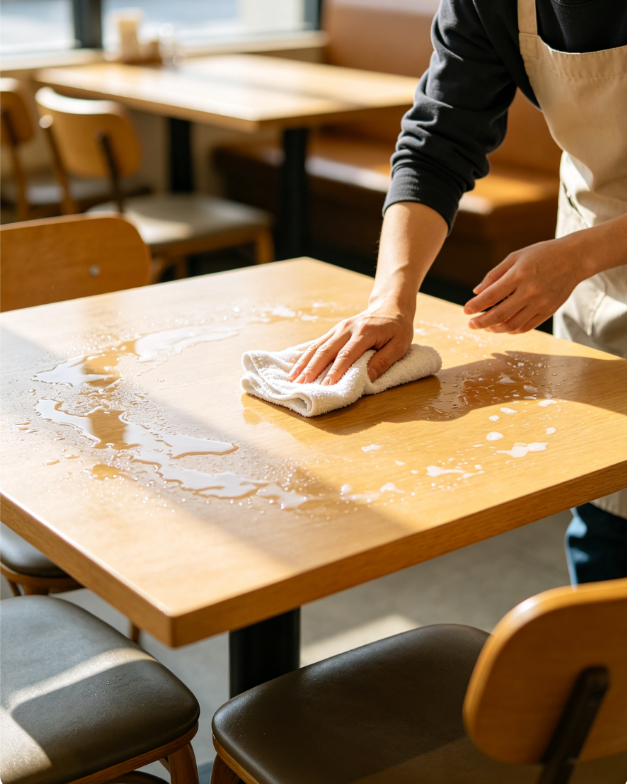
Finish every cleaning with a dry wipe or dry. Leaving moisture on surfaces is the top cause of water spots, mold growth, and sticky residue. A final dry wipe eliminates residual water and leftover cleaner film, keeping surfaces clean longer.
Kitchen Cleaning: Eliminate Stubborn Residue and Hidden Odors
Kitchens accumulate layered grease, food residue, and fermented debris that gradually create persistent stickiness and stale odors. Targeted routine maintenance prevents permanent buildup without heavy-duty cleaning.
Clean inner oven and air fryer walls monthly. Baked oil splatters and food crumbs harden on appliance interiors after repeated heating. These invisible layers burn slowly during use, producing odd cooking smells and smoke residues. Wiping warm interior surfaces with mild degreaser dissolves softened grease and prevents carbonized buildup.
Wipe cabinet handles and appliance control panels weekly. These high-touch points collect cooking oil mist, finger grease, and dust, turning dull and sticky over time. Regular light wiping maintains a clean kitchen appearance and reduces bacterial transfer during food preparation.
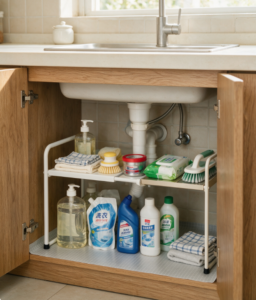
Clean under-sink kitchen cabinet floors. Spilled detergent, leaked water, and tiny food debris gather under the sink. The dark, enclosed space breeds mold and creates damp odors that spread throughout the kitchen. Monthly wiping and drying keeps hidden storage areas hygienic.
Rinse and dry dish sponges after every use. Sponges trap food particles and moisture deep inside. Simple surface rinsing is not enough to remove residual debris. Squeezing out water completely and air-drying prevents bacterial growth and unpleasant sponge odors.
Bathroom Cleaning: Stop Recurring Mold, Limescale and Damp Smells
Bathroom deterioration is caused by continuous humidity and hard water mineral deposits. Regular scrubbing cannot solve root problems; only moisture control and timely residue removal can maintain long-term bathroom cleanliness.
Remove soap scum from shower walls weekly. Transparent soap film builds up on tiles and glass after daily showers. Untreated scum gradually oxidizes into cloudy, dull layers that harbor mold spores. Weekly light cleaning keeps surfaces transparent and prevents deep contamination.
Clean toilet seat hinges and bolt covers. These hidden gaps collect urine splashes, dust, and dead skin, creating hidden odor sources that never disappear with regular toilet brushing. A small brush and mild disinfectant thoroughly clean these overlooked dead corners.
Wash bathroom floor mats regularly. Rubber and fabric mats trap soap residue, hair, and moisture. Daily foot traffic presses dirt deeper into fibers, leading to mildew growth and dark stains. Washing and fully drying mats every one to two weeks eliminates hidden bacteria.
Keep bathroom windows or vents open after use. Most mold growth occurs within hours after showering. Ventilating humid air out reduces surface drying time and greatly lowers mold and mildew reproduction speed.
Living Room & Bedroom: Reduce Dust, Allergens and Faded Surface Dirt
Living areas rarely have obvious stains but accumulate massive invisible dust, fabric fibers, and skin debris. These tiny particles cause stuffy air, allergic reactions, and dull-looking furniture surfaces.
Dust tall furniture tops biweekly. Cabinet tops, wardrobe surfaces, and ceiling fan blades collect thick static dust. When airflow or temperature changes occur, accumulated dust falls and redistributes across the room. Regular high-place dusting reduces overall indoor dust circulation.
Vacuum mattress surfaces thoroughly every month. Mattresses absorb body sweat, dead skin cells, and fine dust deep inside fiber layers. Simple sheet replacement cannot remove embedded allergens. Monthly vacuuming improves bedroom air quality significantly.
Wipe baseboards regularly. Baseboards trap sweeping dust and pet hair along wall edges. Gradual buildup creates dark dirty lines that make the whole room look untidy. Light monthly wiping maintains a neat room outline with minimal effort.
Home Office & Electronics Cleaning: Safe & Hygienic Maintenance
Electronic devices and work desks harbor high levels of bacteria and dust, yet they are often neglected in daily cleaning routines. Improper cleaning can also damage delicate surfaces and device coatings.
Remove keyboard crumbs with soft brushing. Crumbs, hair, and dust settle between keyboard keys. Shaking or blowing debris deeper worsens clogging. A gentle brush cleans gaps safely without damaging internal components.
Sanitize desktop high-touch items daily. Pens, staplers, scissors, and desk organizers are touched frequently but rarely cleaned. Quick daily sanitization reduces bacterial accumulation for a healthier working environment.
Clean monitor screens only with dry microfiber cloths. Paper towels, wet wipes, and rough fabrics create micro scratches and wear away anti-glare coatings. Dry soft cloths safely remove fingerprints and dust without surface damage.
Avoid These Common Cleaning Errors
Many long-term cleaning frustrations come from incorrect habits that slowly damage home surfaces and accelerate dirt buildup.
Do not overuse disinfectants and cleaners. Excess chemical residue forms sticky films that attract more dust and grime. Most daily cleaning scenarios only require small amounts of product or plain warm water.
Do not mix different cleaning chemicals. Uncontrolled mixing may produce harmful fumes and corrode tiles, metals, and painted walls. Always use single cleaners separately and rinse thoroughly.
Do not use abrasive tools on delicate surfaces. Scrub pads and steel wool leave permanent micro-scratches on stainless steel, glass, stone, and ceramic glaze, making surfaces harder to clean in the future.
Realistic Weekly Cleaning Routine for Busy People
Sustainable cleaning relies on stable, low-burden habits instead of occasional exhausting deep cleaning sessions.
Daily 5-minute reset. Wipe wet area residues, tidy scattered items, and dispose of damp garbage to stop minor messes from turning into stubborn dirt.
Weekly zone-based cleaning. Rotate focused tasks weekly: kitchen residue removal, bathroom mold prevention, living room dust control, and office hygiene maintenance. This balanced workload avoids fatigue and ensures comprehensive cleanliness.
Monthly deep hidden-spot cleaning. Target gaps, appliance interiors, furniture undersides, and fixture crevices to clear long-term accumulated hidden dirt.
Final Thoughts
Truly effective home cleaning is simple, methodical, and sustainable. It does not require expensive products, professional skills, or large amounts of free time. By fixing wrong cleaning habits, removing residue thoroughly, controlling moisture and dust sources, and maintaining regular low-effort routines, any household can stay fresh, hygienic, and consistently clean. All guidance in this article is practice-based, realistic, and free of overstated results or impractical lifestyle requirements.