Realistic Home Cleaning Routines: Practical Tips to Stop Dirt From Coming Back
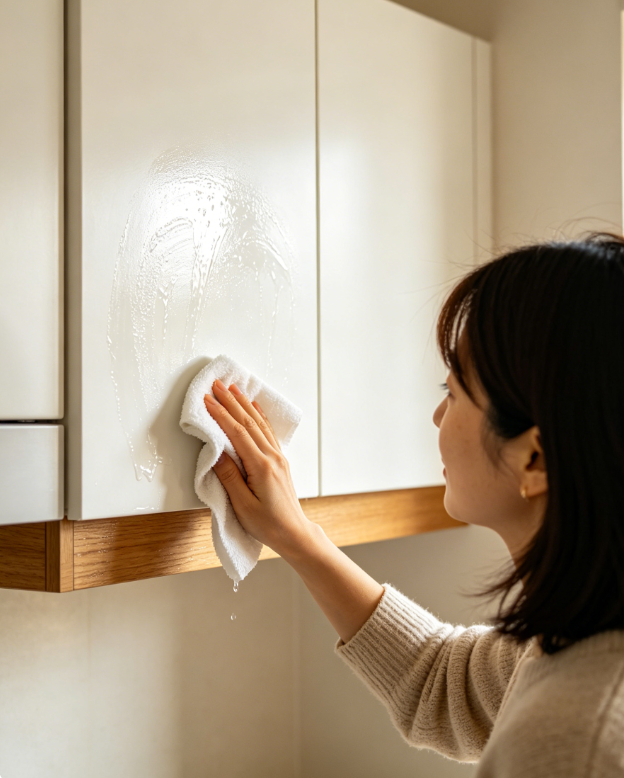
Most home cleaning content focuses on fast results and visual perfection, yet ignores one critical problem: short-term cleaning never fixes recurring dirt, odors, and residue. Many homeowners clean regularly but still deal with sticky countertops, foggy bathroom surfaces, constant dust, and unexplained household smells.
The Real Reason Your Home Gets Dirty So Fast
Dirt recurs rapidly not because you clean too little, but because most cleaning only removes visible dirt, leaving invisible residue and high-risk dirty areas untreated. Thin oil films, microscopic mineral deposits, residual moisture, and unremoved fine dust accumulate day by day. These hidden pollutants gradually turn into stubborn stains, mold, and floating dust, making homes look messy and dull shortly after cleaning.
Sustainable home cleaning focuses on preventing residue accumulation and cutting off dirt sources, rather than repeated passive scrubbing.
Kitchen Cleaning: Eliminate Recurring Stickiness & Hidden Food Odors
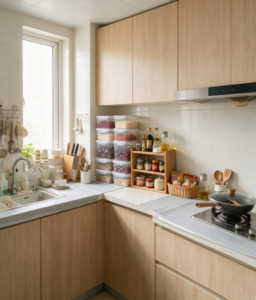
Kitchen dirt is cumulative and layered. Daily cooking produces invisible oil mist and food particles that adhere to every surface. Ordinary water wiping cannot completely remove these thin layers, leading to sticky and yellowed surfaces over time.
Clean appliance exteriors after every cooking session. Toasters, coffee makers, air fryers, and kettle surfaces collect fine oil mist and kitchen dust daily. A quick wipe with a damp microfiber cloth after use prevents oil mist from bonding with dust and forming hard-to-clean sticky layers. This 30-second routine avoids monthly heavy degreasing work.
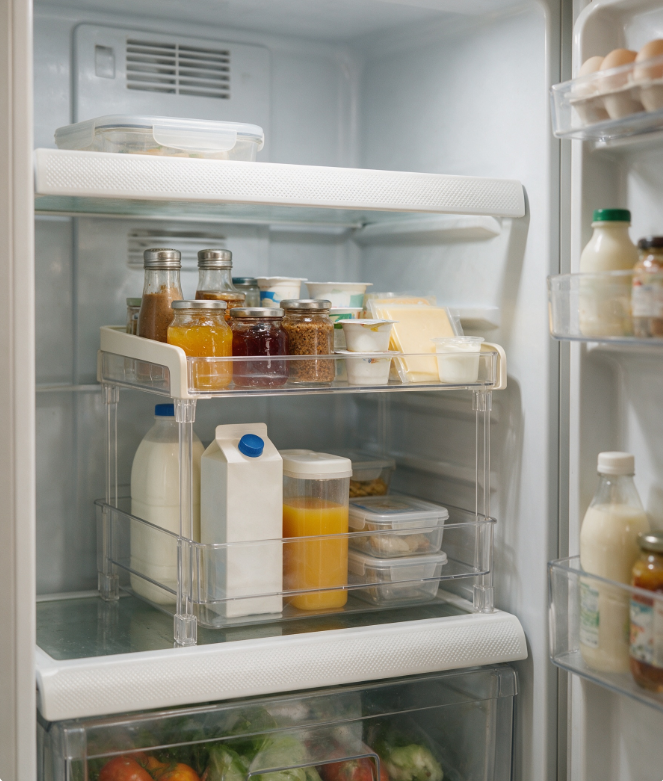
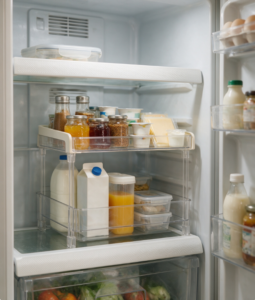
Wipe refrigerator door shelf edges. Many food spills and liquid drips stay on shelf edges and door sealing gaps, not just flat surfaces. These tiny residues ferment in low-temperature environments, causing subtle persistent fridge odors. Cleaning shelf edges and gaps weekly keeps the refrigerator interior fresh without frequent deep defrosting.
Clean garbage can rims and pressing edges. Food debris often clings to garbage can rims, lid edges, and pedal gaps. These overlooked spots rot slowly and produce sour odors even after changing garbage bags. Wiping these edges with mild soapy water weekly eliminates hidden odor sources effectively.
Dry kitchen sink surfaces completely after use. Standing water on stainless steel sinks evaporates quickly, leaving invisible mineral spots and detergent residue. Long-term accumulation makes the sink surface dull and prone to adhering grease. Drying the sink after each use maintains surface smoothness and simplifies daily cleaning.
Bathroom Cleaning: Prevent Cyclical Limescale, Mold and Musty Smells
Bathroom cleanliness failures are almost always caused by residual moisture and untreated mineral buildup. Scrubbing mold and limescale after they form is far less effective than preventing their growth in advance.
Wipe faucet spouts and handles daily. Faucet handles accumulate hand grease, soap residue, and water spots, while spout openings gather tiny mineral deposits that affect water flow. Daily light wiping keeps fixtures bright and avoids rough, stained surfaces caused by long-term residue accumulation.
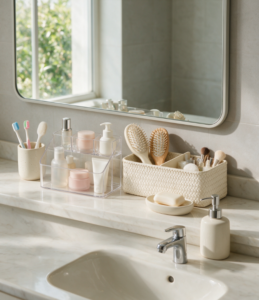
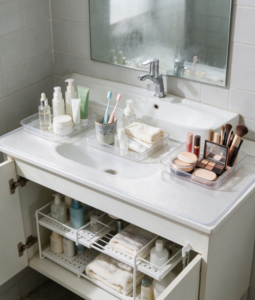
Clean bathroom shelf corners and product gaps. Bottled shampoo, body wash, and skincare products leave residual liquid at their base after repeated use. The sticky residue traps dust and hair, forming dark dirty rings on shelf surfaces. Lifting and wiping product bases weekly eliminates these unsightly marks.
Dry shower curtain folds after use. Shower curtain folds trap moisture and soap scum, becoming the most common mold growth area in bathrooms. Pulling the curtain straight and letting it fully air dry after bathing reduces mold spots and mildew odors without frequent replacement.
Sanitize bathroom trash cans regularly. Bathroom garbage contains cotton pads, hair, and wet tissue residues that retain moisture. Regular sanitization and thorough drying prevent bacterial growth and avoid cross-odor mixing with bathroom humidity.
Living Room & Bedroom: Reduce Endless Floating Dust & Fabric Residue
Most indoor dust does not blow in from outside. It comes from fabric fiber shedding, human skin debris, pet dander, and static-attracted dust on furniture. Targeted static dust removal and fabric maintenance drastically reduce indoor dust levels.
Dust wall corners and ceiling edges biweekly. These static-prone corners collect spider webs and fine floating dust continuously. When air flows or temperature changes, the accumulated dust falls and disperses throughout the room. Regular removal stabilizes indoor air cleanliness.
Vacuum cushion edges and piping lines. Sofa and mattress flat surfaces are usually cleaned, but edge piping and seam gaps trap massive hidden dust and crumbs. Vacuuming along seam lines removes deeply embedded debris that regular cleaning misses.
Wipe picture frames and wall decor bottoms. Decorative frames, wall hangings, and clock bottoms easily accumulate static dust. Long-term uncleaned dust falls when opening windows or moving furniture, creating unexplained new messes.
Home Office & High-Touch Surface Hygiene
High-frequency contact surfaces carry the highest household bacteria concentration yet are the most easily ignored in daily cleaning. Gentle, regular sanitization maintains long-term hygiene without over-cleaning.
Wipe earbuds, phone cases and smart watch bands. These wearable devices contact skin sweat and oil every day. Residue buildup causes bacterial growth and skin irritation. Wiping with mild disinfectant wipes once every three days keeps personal portable accessories clean and hygienic.
Clean desk drawer handles and cabinet pulls. People frequently touch these hardware parts but almost never clean them. Grease and dust accumulate over time, forming dark dirty layers and transferring bacteria to hands and cleaned surfaces.
Practical Tool Care to Avoid Secondary Pollution
Cleaning tools are the most common source of secondary household pollution. Dirty cloths, sponges and mops spread bacteria and residue across clean surfaces, making cleaning efforts ineffective.
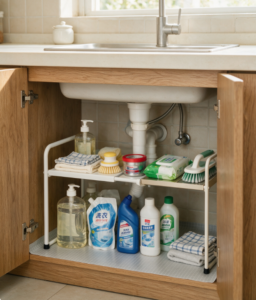
Separate cleaning tools by usage scenario. Use independent microfiber cloths for dusting, kitchen wet wiping, and bathroom sanitizing. Mixing tools transfers grease, mold spores and toilet bacteria to living areas and food contact surfaces.
Air-dry all tools after every use. Sealed storage of damp cleaning tools breeds massive mold and bacteria. Hanging tools in ventilated areas for thorough drying ensures every cleaning delivers genuine decontamination effects.
Sustainable No-Burnout Cleaning Schedule for Ordinary Families
The most reliable cleaning routine is low-frequency, fixed, and easy to stick to, not intensive and time-consuming deep cleaning.
3-minute daily reset. Deal with wet garbage, dry residual water on wet-area surfaces, and wipe fresh stains. Preventing initial dirt buildup avoids stubborn aged stains.
Weekly fixed hidden corner cleaning. Focus on gap dirt, tool maintenance, and high-touch point sanitization to eliminate invisible pollution sources.
Monthly surface maintenance. Check and maintain easy-to-damage surfaces including stone countertops, wooden furniture, and metal fixtures to remove residue and protect surface finishes.
Conclusion
Genuine effective home cleaning is not about pursuing spotless instant cleanliness, but cutting off recurring dirt sources through standardized, low-burden daily maintenance. Correct surface protection habits, targeted hidden dirt removal, and scientific cleaning tool management can keep homes clean, fresh, and hygienic all year round. All methods in this article are summarized from real household use, with no exaggerated effects, false propaganda, or impractical operational requirements.