Low-Effort Home Cleaning Tips That Actually Work (No Gimmicks, No Overcleaning)
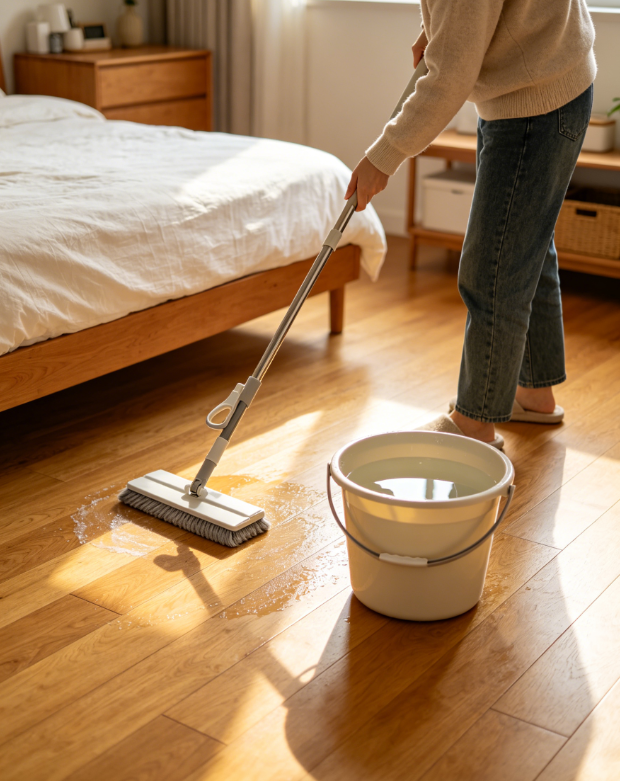
Many homeowners struggle with a common cycle: they deep clean their homes thoroughly, only to see stains, odors, and dust return within days. Most mainstream cleaning content blames poor daily habits or recommends expensive products and time-consuming routines. In reality, recurring household mess usually comes from inefficient cleaning patterns, incorrect product pairing, and neglected minor buildup that accumulates over time.
Stop These Common Cleaning Mistakes That Make Dirt Return Faster
Most repetitive cleaning work is self-created. Small daily errors turn manageable dirt into stubborn buildup and shorten the cleanliness cycle of the entire house.
Wiping surfaces in circular motions causes uneven residue buildup. Many people habitually wipe tables, countertops, and glass in circles. This method pushes dirt, dust, and cleaning residue into tiny surface crevices instead of removing them. Straight horizontal or vertical wiping lifts debris completely and leaves fewer residual particles, keeping surfaces clean longer.
Using one cloth for multiple areas leads to cross-contamination. A single cleaning cloth used on floors, tables, and appliance surfaces spreads grease, bacteria, and fine dirt across clean zones. Separating cloths for dry dusting, kitchen wet wiping, and bathroom sanitizing eliminates invisible cross-contamination without extra time cost.
Cleaning warm glass and mirror surfaces causes streaks. Hot glass from sunlight or indoor heating accelerates cleaning solution evaporation. Rapid drying leaves concentrated detergent residue and obvious streaks. Waiting for surfaces to cool down before wiping ensures a spotless, clear finish with fewer repetitions.
Kitchen Cleaning: Remove Stubborn Residue Without Heavy Scrubbing
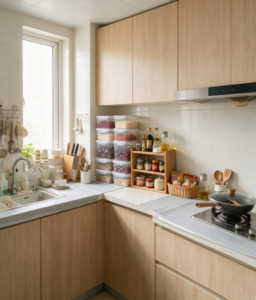
Kitchen cleaning difficulty mainly increases due to aged grease, fermented food residue, and overlooked appliance dirt. Timely targeted treatment avoids hard-to-clean layered buildup.
Clean pot and pan exterior grease regularly. People often focus on cleaning cookware interiors but ignore outer walls and bottom surfaces. Accumulated oil residue blackens pan exteriors, carbonizes during repeated heating, and becomes extremely difficult to remove. Wiping pan exteriors with mild degreaser after each use prevents carbonization and keeps cookware in good condition long-term.
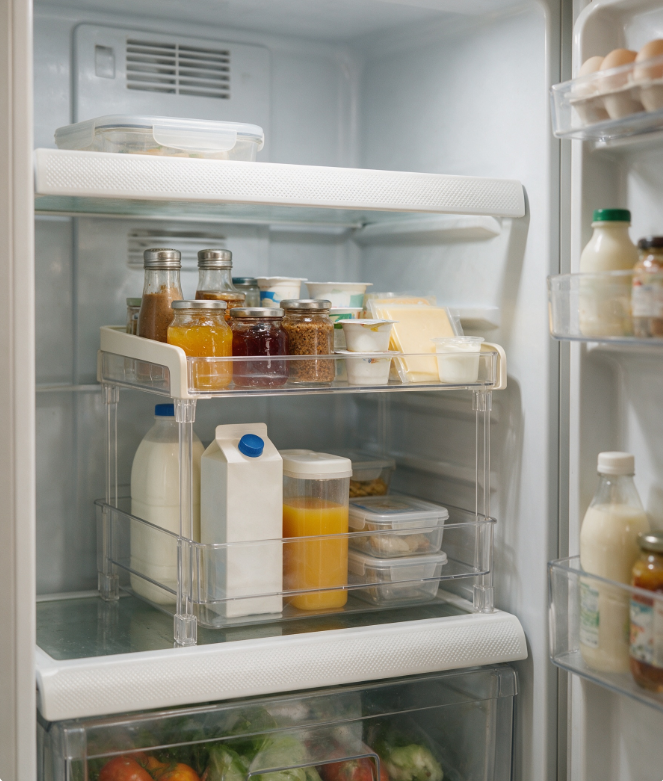
Clear refrigerator shelf drip residue. Beverage spills, thawed water, and sauce drips often seep under refrigerator shelves. The invisible residual liquid turns sticky over time, breeds bacteria, and creates faint sour odors inside the fridge. Lifting shelves for simple wiping every two weeks eliminates hidden odor sources effectively.
Clean dish rack water accumulation. Dish racks and draining trays collect stagnant water after tableware drying. Long-term water accumulation breeds slimy biofilm and produces musty odors. Emptying stagnant water and wiping the tray dry every day prevents bacterial growth and keeps dish storage hygienic.
Bathroom Cleaning: Maintain Long-Term Freshness Without Frequent Scrubbing
Persistent bathroom problems including foggy faucets, dark grout, and damp odors are not caused by insufficient cleaning frequency. They stem from unremoved water residue and unresolved hidden humidity.
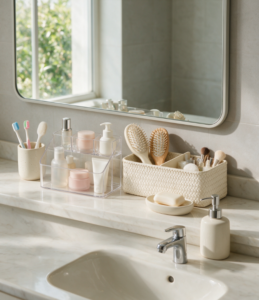
Polish faucet surfaces after use. Faucets and metal fixtures easily form white water spots after water evaporation. Repeated accumulation forms thick limescale that dulls metallic luster. A quick post-use wipe with a dry microfiber cloth removes residual water droplets, preventing mineral deposition fundamentally.
Clean inside shower door tracks. Shower door tracks trap soap scum, fine sand, and standing water. The narrow gap is hard to clean with ordinary tools, eventually turning black and moldy. A small narrow brush easily cleans track dirt, and timely drying prevents mold and mildew spread.
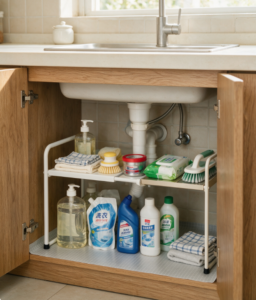
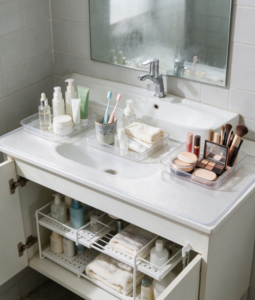
Dehumidify bathroom cabinets regularly. Under-sink bathroom cabinets are dark and humid. Leaked cleaning solution, residual water vapor, and dropped toiletries debris create a mold-prone environment. Regular ventilation and internal wiping keep cabinet interiors dry and odor-free.
Living Room & Bedroom: Reduce Recurring Dust and Hidden Allergens
Indoor floating dust does not only come from outdoors. Most persistent dust originates from indoor fiber shedding, dead skin cells, and unfiltered air circulation. Precision cleaning of dust-prone zones improves overall air quality significantly.
Vacuum furniture undersides and leg bases. Sofa legs, table legs, and bed frame bases accumulate large amounts of static dust and hair. These low, overlooked areas release dust into the air during walking and room ventilation. Monthly vacuuming reduces continuous indoor dust circulation.
Wipe down wall switch panels. Frequent hand contact leaves oil stains, fingerprints, and dust on switch surfaces. Long-term accumulation turns white panels yellow and breeds bacteria. Gentle wiping with a slightly damp cloth maintains wall cleanliness and household hygiene.
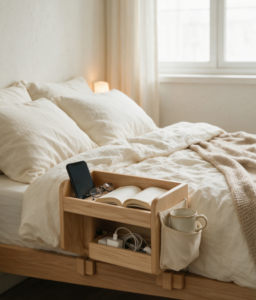
Deep clean bedding peripherals besides sheets. Quilt covers, pillow protectors, and blanket surfaces collect invisible dust and allergens. Washing only sheets leaves other bedding contaminated, causing recurring dust and skin irritation. Including all bedding covers in weekly cleaning creates a healthier sleeping environment.
Home Office: Eliminate Overlooked High-Touch Bacteria and Grime
Home office areas feature high-frequency hand contact but low cleaning frequency, forming concentrated bacterial zones that affect daily health.
Clean mouse and keyboard surfaces daily. Fingers carry sweat, oil, and fine dirt that accumulate on key surfaces and mouse shells. Daily light wiping removes surface bacteria and prevents sticky key buildup that affects usage experience.
Organize and clean desktop cable gaps. Tangled cables collect static dust and are extremely difficult to clean. Arranging cables neatly with cable organizers allows regular dust wiping and reduces hidden dead corners.
Tool Maintenance Tips for Better Cleaning Results
Cleaning tools directly determine cleaning effectiveness. Even correct methods fail if tools carry residual dirt and bacteria.
Replace sponge scrubbers every three to four weeks. Kitchen sponges develop internal bacterial accumulation after long-term use, even with regular rinsing. Timely replacement avoids cross-contaminating tableware and cooking surfaces.
Sun-dry cleaning tools after use. Mops, cloths, and brushes stored in dark humid corners breed mildew and odor. Full sun drying sterilizes tools naturally and prevents odor transfer during subsequent cleaning.
Realistic Low-Effort Cleaning Plan for Busy Homes
Sustainable cleaning does not require spending hours every week. Reasonable task division avoids cleaning burnout and maintains stable home cleanliness.
Daily quick reset (3 minutes). Dispose of wet garbage, wipe obvious fresh stains, and dry residual water on wet area surfaces to prevent dirt aging.
Weekly targeted partial cleaning. Choose one hidden dirt zone each week for focused cleaning, instead of blind full-house tidying. This method reduces labor intensity and ensures no dead corners are overlooked.
Seasonal deep maintenance. Every three months, clean appliance interiors, furniture bottoms, and long-neglected gaps to clear accumulated aged dirt.
Final Conclusion
Quality home cleaning relies on precise, targeted operations rather than repeated brute force cleaning. Correct cleaning sequences, reasonable tool matching, and regular hidden dirt removal can fundamentally reduce recurring stains, odors, and dust. All methods in this article are summarized from real household scenarios, with no exaggerated effects or impractical operations, suitable for long-term adherence in ordinary families.