No-Home Hype Organization: Practical Clutter Management Tips for Real Lived-In Homes
Most home organization content online focuses on aesthetic perfection rather than real-world sustainability. Many homeowners fall into a repetitive cycle: spending hours tidying their space, only for clutter to return within days. This frustrating pattern is not caused by laziness or poor personal habits. It stems from impractical organizing methods designed for staged interiors, not everyday households with regular foot traffic, daily item usage, and busy schedules.
The Root Cause of Returning Household Clutter
Persistent mess almost always comes from flawed storage logic, not insufficient cleaning. Most people organize belongings by strict category — grouping all clothing, toiletries, tools, and sundries together — without considering usage frequency. This creates an inefficient layout: daily essentials are hidden in deep, hard-to-reach storage, while rarely used seasonal or spare items occupy convenient, high-visibility spots.
When everyday items require extra effort to put away, temporary surface placement becomes inevitable. These small daily inconveniences gradually build into chronic clutter. Sustainable organization fixes this issue by aligning storage rules with natural living routines, rather than forcing rigid, unsustainable tidying habits.
Four Evidence-Based Organizing Rules for Every Room
These universal principles eliminate the majority of recurring household mess and create a self-maintaining tidy environment.
Organize by usage frequency, not category. High-frequency items used daily, including casual clothing, basic toiletries, cooking utensils, and everyday carry items, belong at eye level and arm’s reach. Medium-frequency items used weekly or monthly fit in standard drawers and middle cabinet shelves. Low-frequency items such as seasonal decor, backup supplies, and emergency gear should be stored in high, deep, or out-of-sight zones. This structure cuts down random placement and repeated rummaging.
Adopt a conservative item accumulation rule. Most household clutter builds from unregulated purchases and overstocking. Bulk discounts and impulsive shopping lead to excess duplicates, unneeded spares, and expired goods that crowd storage space. A simple, sustainable habit is to avoid stockpiling beyond three months of regular consumption and discard old items before acquiring new replacements.
Reserve buffer space in all storage areas. Drawers, shelves, and cabinets packed to full capacity have no flexibility for temporary item placement. Leaving 10% to 15% empty space in every storage zone absorbs minor daily disorganization and prevents the entire system from collapsing into chaos.
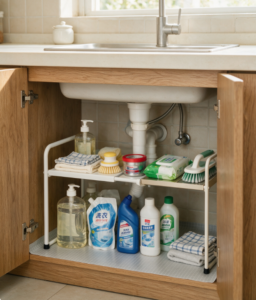
Separate functional zones to avoid cross-contamination. Keep dirty, wet, or cleaning-related items isolated from clean daily belongings. Store worn clothes separately from clean wardrobe items, and keep damp bathroom tools away from dry toiletries. This simple zoning prevents hidden grime, odors, and bacterial growth.
Bedroom & Closet Organization: Low-Upkeep Wardrobe Systems
Bedroom clutter primarily originates from mixed seasonal clothing, overstocked accessories, and overly complex folding routines that fail long-term. Simplified functional zoning delivers far more reliable results for regular households.
Implement seasonal wardrobe rotation. Dedicate the most accessible hanging rails and drawer space to current-season daily wear. Reserve a secondary zone for occasional outfits, including formal wear, athletic gear, and loungewear. Store off-season clothing, thick comforters, and bulky bedding in high shelves or sealed, space-saving storage containers. Clear separation eliminates chaotic mixing during daily use.
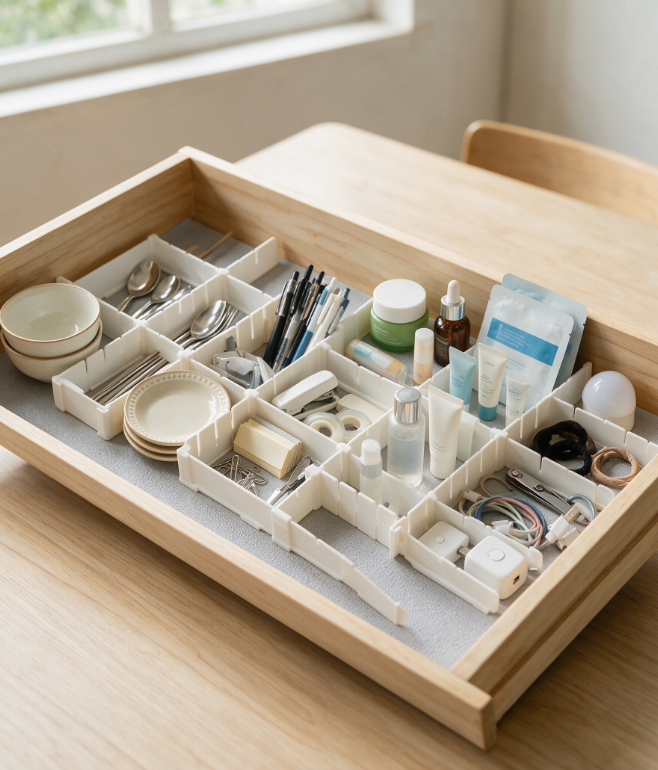
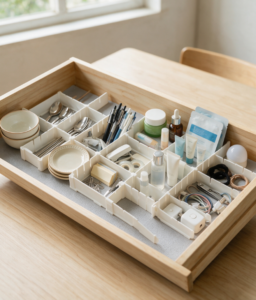
Simplify drawer organization for daily use. Casual garments like T-shirts, trousers, and hoodies do not require hyper-detailed compartmentalization. Excess dividers waste space and slow down daily dressing routines. Reserve small compartment divisions only for tiny, easily misplaced items such as socks, undergarments, hair accessories, and jewelry.
Complete quarterly wardrobe audits. Garments unworn for 12 consecutive months, ill-fitting apparel, and heavily worn outdated pieces are the main contributors to closet bloat. Regularly donating, reselling, or disposing of idle clothing reduces storage pressure more effectively than purchasing additional organizers.
Kitchen Organization: Streamline Workflow & Eliminate Countertop Clutter
Kitchen disorganization reduces cooking efficiency and creates hidden hygiene dead zones. Most countertop chaos stems from misplaced tools, overstocked dry goods, and disorganized small appliances.
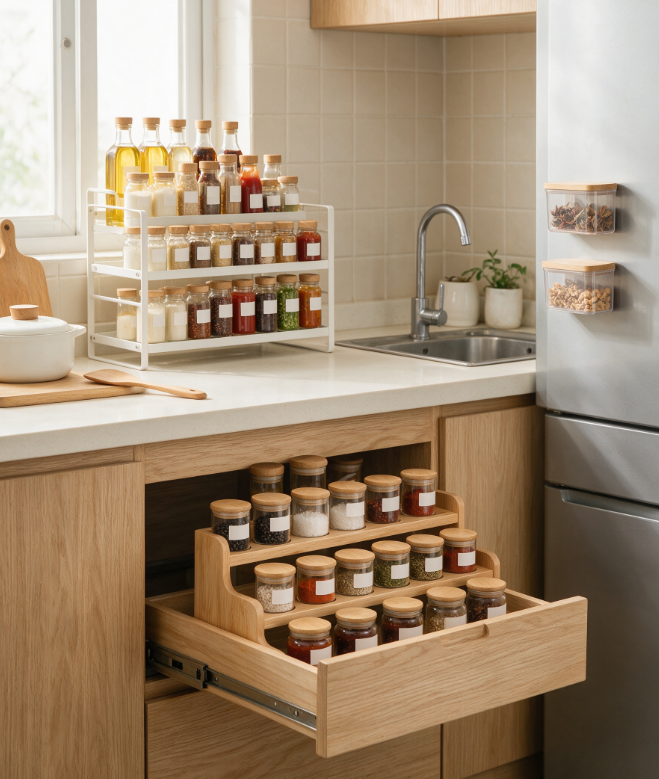
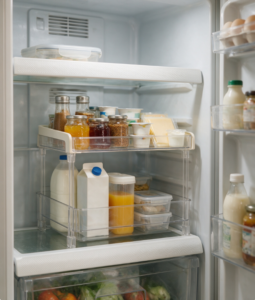
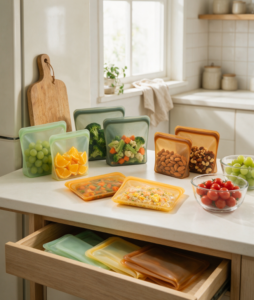
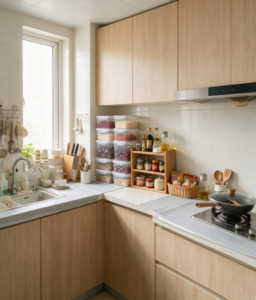
Align storage with kitchen workflow logic. Keep seasonings, spatulas, and cooking tools near the stovetop for immediate access. Store dish soap, scrubbers, and drying racks near the sink. Place cutting boards, food containers, and prep utensils near the food preparation area. When items live where they are used, they naturally return to their designated spots after daily cooking and cleaning.
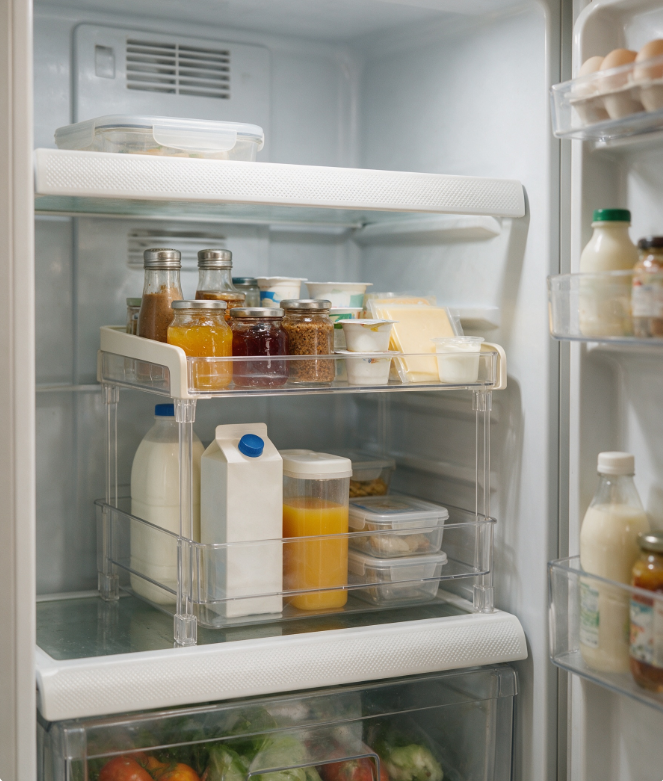
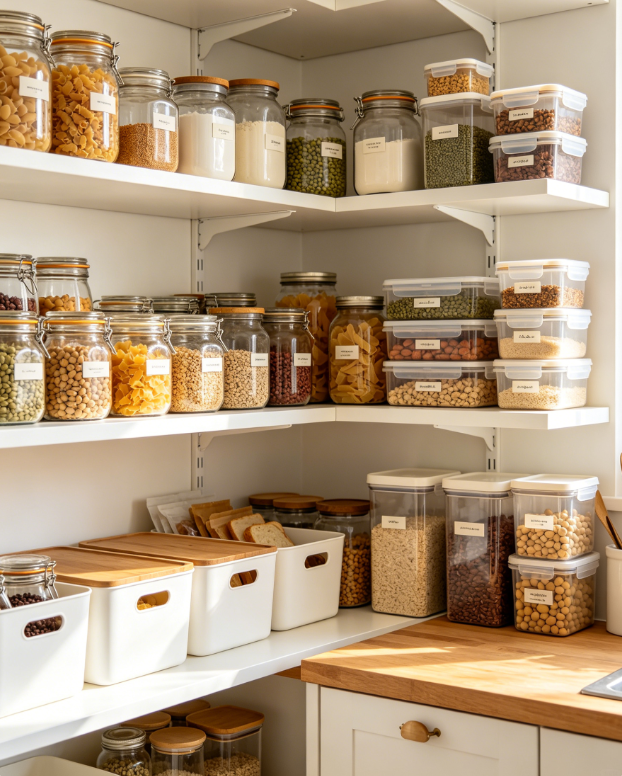
Avoid excessive food stockpiling. Bulk purchases of grains, snacks, and canned goods often exceed actual household consumption rates. Overstocked cabinets lead to expired food waste, dusty forgotten items, and disorganized stacking. Follow the first-in, first-out method and restock supplies based on monthly consumption demands rather than promotional discounts.
Consolidate small appliances and manage wiring. Scattered kitchen devices and tangled power cords create visual clutter and trap dust. Centralize frequently used appliances in one fixed zone and organize loose cables to maintain clean, easy-to-wipe countertops.
Bathroom Organization: Humidity-Resistant, Sanitary Storage
High humidity and poor ventilation make bathrooms prone to mold, mildew, and stale odors. Many popular fully sealed storage solutions trap residual moisture, worsening hidden grime and product deterioration.
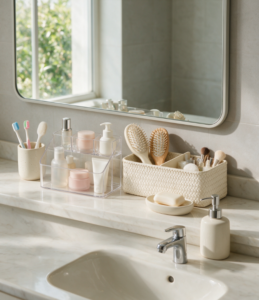
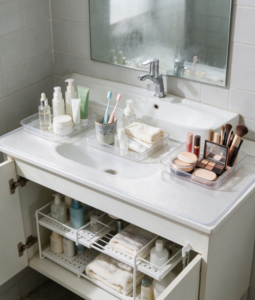
Classify toiletries by usage frequency. Place daily facial care, oral care, and body wash products on open shelving for quick access. Store backup bottles, treatment products, and less frequent items in ventilated closed cabinets to prevent dust buildup and moisture damage.
Prioritize breathable storage for damp items. Towels, bath loofahs, and cleaning cloths retain residual water after use. Closed baskets block airflow, creating humid conditions that breed bacteria and mildew. Wall-mounted hooks and open hollow storage support full drying and long-term sanitation.
Inspect for expired products monthly. Skincare, cosmetics, and oral care items have fixed shelf lives. Expired products lose effectiveness, may cause skin irritation, and occupy valuable storage space. A quick monthly inspection maintains bathroom tidiness and hygiene safety.
Living Room & Entryway Organization: Fix Temporary Surface Clutter
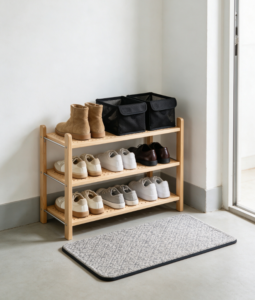
Most living room and entryway mess is temporary, caused by scattered keys, mail, remote controls, earbuds, and daily carry-on items. These small objects create a consistently untidy appearance despite no major disorganization.
Set up a dedicated entry drop zone. A shallow tray or compact basket centralizes all daily small items in one fixed location. This single adjustment eliminates random placement across tables, sofas, and floors.
Minimize high-maintenance surface decor. Excessive photo frames, trinkets, and decorative ornaments accumulate dust, increase cleaning workload, and crowd visual space. Minimal surface styling creates a calm, tidy home atmosphere with low daily maintenance.
Sustainable Low-Burden Tidying Routine
Long-term home tidiness relies on consistent micro-maintenance, not exhausting weekend deep cleans. This lightweight routine fits busy professionals and family lifestyles.
2-minute daily reset. Before bedtime, return misplaced items to their fixed zones and clear surface clutter. Small daily resets prevent minor messes from compounding overnight.
Weekly zone-focused tidying. Each week, target one room or storage area to sort misplaced belongings, remove idle items, and adjust layouts. Divided weekly tasks eliminate cleaning burnout.
Seasonal organizational refresh. Every three months, update seasonal storage rotations, adjust household item placement, and clear accumulated unused goods to keep spaces functional year-round.
Common Organizing Mistakes to Avoid
Many mainstream organizing habits increase household workload instead of solving clutter problems.
Overbuying storage containers does not fix clutter. Most disorganized homes have adequate storage space. Excess bins, dividers, and baskets fragment space, create hidden dirt corners, and slow down item retrieval.
Aesthetics should never override functionality. Uniform matching storage looks polished in photos but often sacrifices practicality. Household items vary in size, shape, and usage frequency; functional zoning always delivers better long-term results than visual uniformity.
Avoid storing low-frequency items in prime spaces. Seasonal decor, spare tools, and rarely used supplies should not occupy easy-access zones, as this limits daily usability and creates persistent visual clutter.
Conclusion
Effective home organization is a practical lifestyle system, not a cosmetic home upgrade. Lasting tidiness does not require expensive tools, complex folding skills, or excessive free time. By adopting usage-based storage logic, controlling unnecessary item accumulation, avoiding common organizing pitfalls, and maintaining low-burden daily routines, any household can enjoy a consistently clean, orderly, and comfortable living space with minimal effort.