Low-Effort Home Cleaning Routine: Maintain a Tidy Home Without Daily Deep Scrubbing
Many people avoid consistent home cleaning because they assume it requires long hours of daily scrubbing, deep wiping, and chemical treatment. This misconception leads to a cycle of procrastination: letting small dirt accumulate for weeks, then exhausting themselves with full-day deep cleaning sessions. In reality, sustainable household cleanliness does not depend on intense labor. It relies on lightweight, habitual cleaning that stops dirt and residue from building up in the first place.
Why Traditional Heavy Cleaning Routines Fail Long-Term
Most traditional cleaning habits are unsustainable for regular families. Full-house deep cleaning consumes massive time and energy, making it impossible to maintain on a daily or even weekly basis. Between cleaning sessions, dust, oil film, moisture residue, and fine debris accumulate continuously. Once dirt bonds to surfaces, it requires far more effort to remove completely.
Another common flaw of traditional cleaning is over-cleaning. Many users repeat mopping and wiping on already clean surfaces, creating unnecessary residue buildup and surface wear. Excessive use of cleaners and frequent aggressive scrubbing dulls furniture finishes, wears floor glaze, and creates micro-scratches that trap more dirt over time.
A low-effort cleaning routine solves these problems by focusing on prevention rather than elimination. It targets fresh, easy-to-remove dirt and avoids labor-intensive deep scrubbing entirely.
Core Principles of Low-Effort, Long-Lasting Cleaning
Three simple rules form the foundation of effortless household cleaning and prevent 90% of recurring dirt and odor issues.
First, clean dirt while it is fresh. Fresh food spills, light oil splatters, water droplets, and loose dust can be removed with one simple wipe. Once these contaminants oxidize, dry out, or bond to surfaces, they require soaking, scrubbing, and chemical assistance to clean thoroughly.
Second, prioritize dry cleaning over wet cleaning. Dry dust removal eliminates loose particles without leaving moisture or residue. Wet mopping and wiping reserved only for sticky or damp dirt reduces overall cleaning workload and avoids residual water marks.
Third, clean in small increments instead of large batches. Spending 3 to 5 minutes of targeted cleaning daily prevents layered dirt accumulation, eliminating the need for exhausting weekend deep cleaning marathons.
Daily 5-Minute Low-Effort Cleaning Breakdown
This micro routine requires no special tools or strong cleaners and fits perfectly into busy morning or evening schedules.
Kitchen quick reset: After each meal, wipe countertops and stove edges with a dry or slightly damp microfiber cloth to remove fresh oil splatters and crumbs. Rinse the sink thoroughly and wipe dry residual water. This single step prevents oxidized oil film, limescale spots, and minor food odor buildup, eliminating the need for weekly heavy degreasing.
Bathroom moisture control: After showering or hand washing, simply wipe down faucet surfaces and dry standing water on the floor. Opening windows briefly removes humid air. Consistent moisture elimination prevents mold spores, soap scum, and mineral scale from forming entirely.
Living room dust maintenance: Use a dry microfiber duster to quickly wipe window sills, table surfaces, and high-touch hardware. Dry dusting takes seconds and stops static dust accumulation before it becomes visible and thick.
Weekly Light Maintenance (30 Minutes Total)
A short weekly session handles invisible residue that daily micro-cleaning misses, keeping the home consistently clean without fatigue.
Vacuum fabric surfaces including sofas, cushions, and carpet edges to remove embedded pet hair, lint, and skin debris that dry wiping cannot capture. Wipe cabinet exteriors, door frames, and furniture legs to clear faint dust film. Inspect and clean cleaning tools such as cloths and mop pads to avoid secondary contamination in future cleaning.
For kitchen and bathroom areas, perform localized light cleaning only on high-residue zones instead of full-area scrubbing. Target sink gaps, faucet bases, and tile edges to remove minor buildup before it hardens into stubborn stains.
Monthly Minimal Deep Touch-Ups
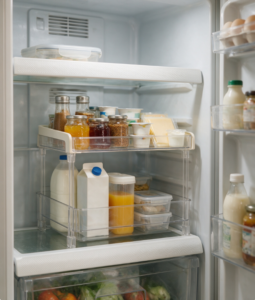
Monthly maintenance replaces exhausting seasonal deep cleaning. It focuses only on hidden blind spots that accumulate slow-growing residue, including window track gaps, floor drain edges, refrigerator door seals, and cabinet top surfaces.
These areas do not affect daily visual cleanliness but gradually produce faint odors and hidden bacteria. A few minutes of targeted cleaning every month eliminates long-term pollution sources and maintains overall household hygiene quality.
Low-Effort Habits That Prevent Re-Dirt
Simple daily habits reduce cleaning demand far more effectively than repeated scrubbing.
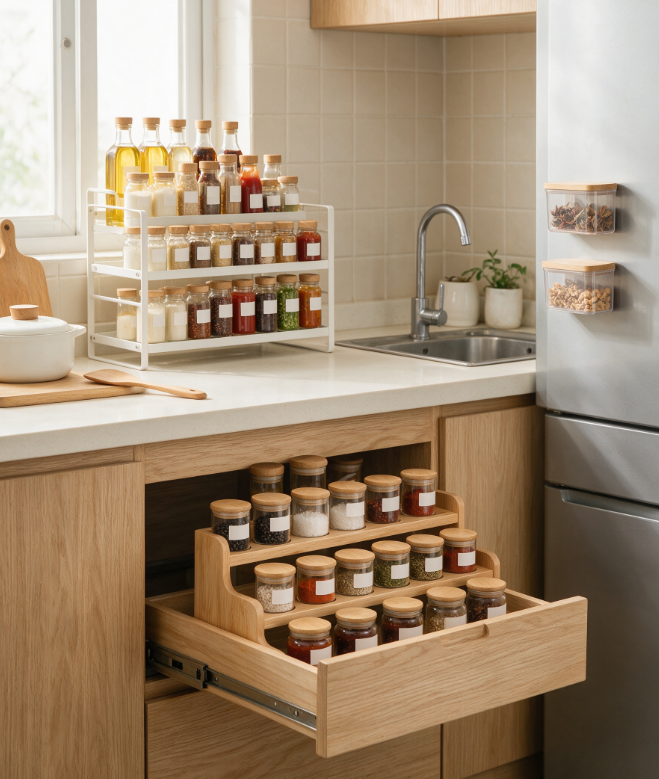
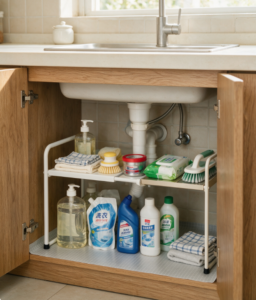
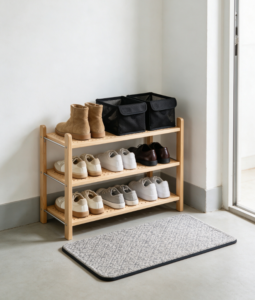
Use doormats to block outdoor sediment and reduce floor dirt intake. Keep kitchen clutter organized to avoid accumulated food debris and dust traps. Maintain basic daily ventilation to reduce floating indoor dust and humid stagnation. Avoid leaving wet cloths, sponges, and tools in closed spaces to prevent mold and odor transfer.
Common Low-Effort Cleaning Misconceptions to Avoid
Low-effort cleaning does not mean lazy cleaning or incomplete hygiene. It eliminates redundant labor while retaining effective cleaning steps. Skipping necessary moisture drying and residue removal will still lead to mold and dust buildup.
It also does not mean zero deep cleaning forever. Monthly localized touch-ups replace large-scale deep cleaning, ensuring hidden dirt does not accumulate over time. The difference is minimal effort and stable cleanliness throughout the year.
Conclusion
A consistently clean home does not require hours of daily housework or powerful chemical cleaners. It relies on scientific low-effort routines that prevent dirt accumulation rather than fighting built-up grime. Daily micro-cleaning, weekly light maintenance, and monthly targeted touch-ups eliminate repetitive cleaning fatigue, avoid surface residue and mold problems, and keep the living environment fresh, tidy, and hygienic with minimal time investment.