Low-Effort Home Cleaning Routine: Clean, Tidy Homes Without Daily Exhausting Chores
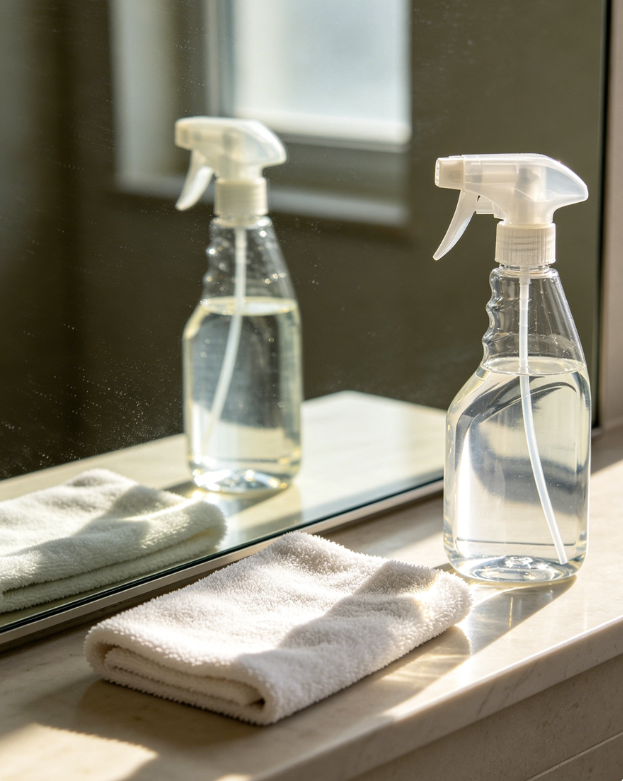
Most people avoid deep cleaning due to the common misconception that a clean home requires hours of daily scrubbing, wiping, and tidying. Many household cleaning routines are inefficient, repetitive, and time-wasting, leaving homeowners tired with unsatisfying results. The truth is that consistent household cleanliness does not depend on heavy labor or frequent deep cleaning. It relies on structured low-effort routines that prevent dirt buildup instead of constantly fixing accumulated messes.
Why Traditional Cleaning Routines Waste Time and Energy
The biggest flaw of most household cleaning habits is reactive cleaning. Homeowners ignore minor daily messes and allow dust, residue, and clutter to accumulate for days or weeks. Once visible messes appear, they have hardened, layered, and spread to multiple areas, requiring massive time and physical effort to clean thoroughly.
Random disorderly cleaning also causes repeated labor. Cleaning rooms irregularly, re-wiping already clean surfaces, and using incorrect tools lead to low cleaning efficiency. Many people spend hours cleaning every weekend yet still face dusty surfaces, faint odors, and sticky residue because they are cleaning the results of dirt buildup instead of blocking dirt at the source.
Additionally, excessive over-cleaning further increases household burden. Unnecessary daily disinfection, frequent whole-house mopping, and repeated surface polishing do not improve cleanliness but waste time and accelerate surface wear.
Core Principles of Low-Effort Sustainable Cleaning
Low-effort cleaning is not lazy cleaning. It is a scientific maintenance system based on dirt accumulation rules. The first principle is preventing layered buildup. Fresh dirt and new residue can be removed in seconds, while aged bonded grime requires ten times the effort.
The second principle is zoning and frequency matching. Different household areas have different dirt accumulation speeds. High-frequency zones like kitchen countertops and dining tables need daily micro-cleaning, while low-frequency zones like ceiling corners and cabinet tops only need quarterly maintenance. Matching cleaning frequency to dirt speed avoids invalid repetitive work.
The third principle is one-time finishing and tool rationalization. Fixed cleaning sequences and dedicated cleaning tools avoid secondary pollution and repeated rework, ensuring one cleaning session maintains long-term cleanliness.
Practical Low-Effort Daily Micro-Cleaning Routine (10 Minutes Max)
Daily micro-cleaning focuses on blocking new dirt formation, requiring no large-scale mopping or wiping. It only targets fresh residue and temporary messes before they settle and harden.
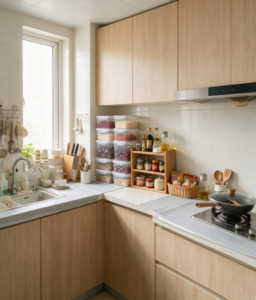
After meal kitchen reset: Wipe countertop oil splatters and food residue immediately after cooking and dining. A 2-minute wipe removes fresh oil film completely, preventing oxidation and sticky buildup. Rinse food bowls and flush sink debris to avoid organic residue fermentation and odors.
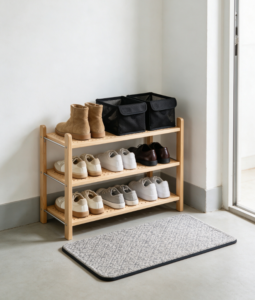
Before-bed whole-house reset: Spend 3 minutes tidying floating clutter including scattered cushions, misplaced shoes, and sundries. Straightening daily messes before sleeping avoids clutter accumulation that requires long tidying on weekends.
Dry dust maintenance: Use a dry microfiber duster for 2 minutes of quick dust removal on table surfaces and window sills. Timely removal of fresh floating dust prevents thick gray dust film formation.
Weekly Light Deep Cleaning (30 Minutes Total)
Weekly cleaning replaces exhausting whole-house deep cleaning with targeted key area maintenance, solving most hidden dirt problems efficiently.
Floor centralized cleaning: Conduct one full dry vacuuming first to remove hair, dust, and fine particles, followed by one-time wet mopping. The dry-first method avoids smearing dust and reduces mopping repetition.
Fabric refreshing: Vacuum sofas, bedding, and cushion surfaces simply to remove accumulated dander and dust. Open windows for ventilation to eliminate indoor stale air and faint odor buildup.
Hidden gap cleaning: Wipe door handles, switch panels, sink edges, and toilet bases. These high-touch and hidden gaps breed bacteria easily but only take a few minutes to maintain weekly.
Monthly Zero-Burden Deep Maintenance
Monthly maintenance focuses on equipment and blind spot cleaning that do not require daily attention, completely eliminating long-term hidden grime sources.
Clean air conditioner filters, fan blades, and window screens to reduce indoor dust circulation. Maintain cleaning tools including cloths, mop pads, and sponges to avoid cross-contamination.
Treat early-stage stubborn stains including faint wall smudges, glass water spots, and cabinet dust film. Timely removal of minor stains prevents permanent aging and discoloration of home surfaces.
Low-Effort Cleaning Habits That Reduce 80% of Household Chores
Adopt the “clean after use” habit for all high-residue areas. Kitchen, bathroom, and dining area residue is easiest to clean immediately after use, requiring no scrubbing or chemical assistance.
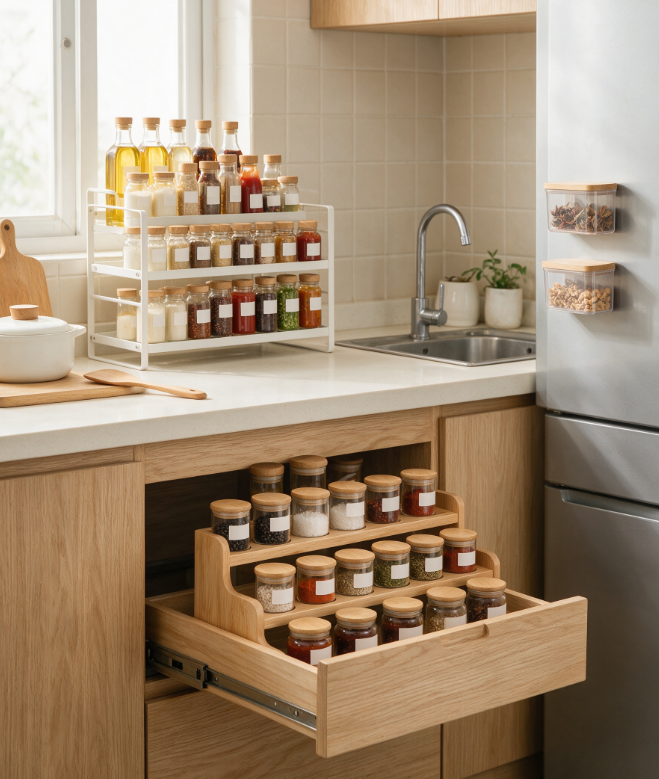
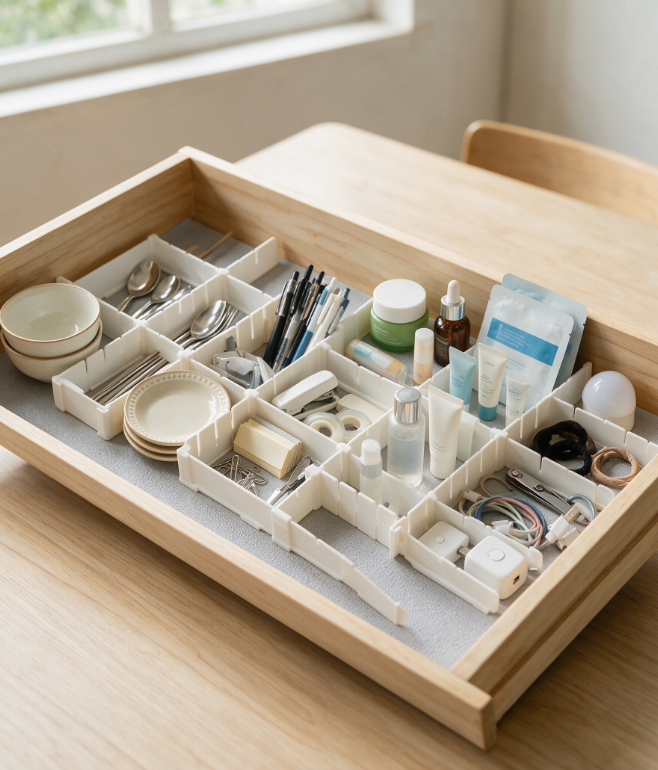
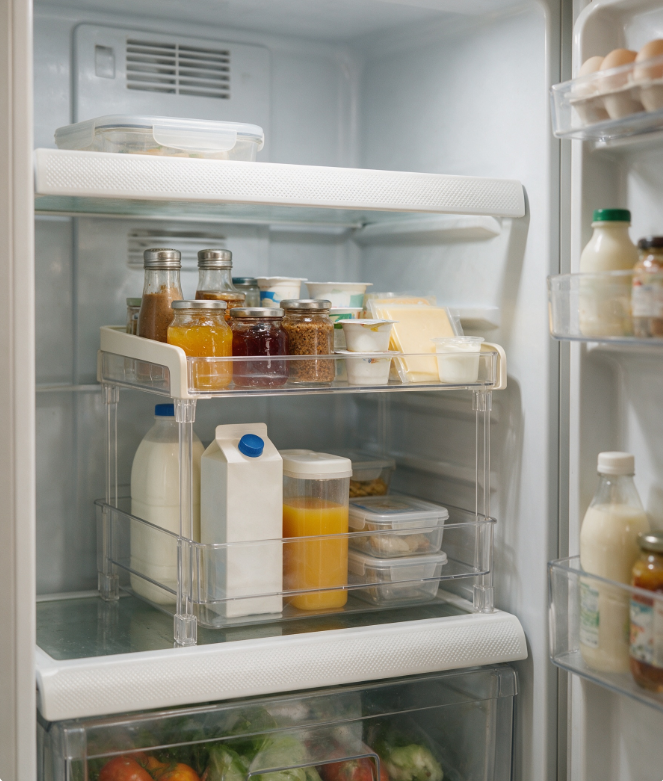
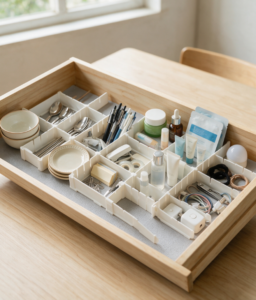
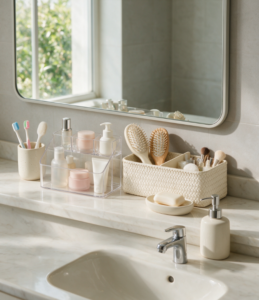
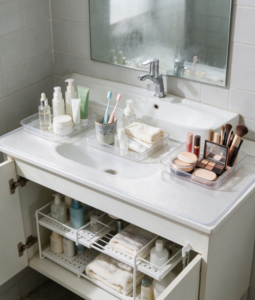
Set fixed storage positions for all items. Most household clutter is caused by random placement rather than excessive items. Fixed positioning greatly reduces daily tidying time.
Control indoor humidity and ventilation properly. Good air circulation reduces dust deposition, mold growth, and moisture residue, lowering overall cleaning pressure.
Avoid excessive decorative fabric accumulation. Reducing redundant curtains, cushions, and plush toys cuts down dust and dander storage sources fundamentally.
Common Low-Effort Cleaning Misconceptions
Many homeowners mistakenly believe low-effort cleaning means reducing cleaning frequency. In fact, it increases micro-frequency while reducing large-scale labor. Short and frequent maintenance avoids concentrated dirt accumulation, making cleaning easier and more effective.
Another misconception is relying on tools instead of manual maintenance. Convenient cleaning tools improve efficiency, but daily zero-cost micro-reset is still the core of long-term clean home maintenance.
Conclusion
A clean and tidy home does not require endless housework and weekend deep cleaning marathons. The most efficient household cleaning mode is low-frequency deep cleaning matched with high-frequency micro-maintenance. By blocking dirt buildup at the source, matching cleaning frequency with area dirt characteristics, and avoiding inefficient repeated labor, homeowners can maintain a fresh, hygienic, and orderly living environment with minimal time and energy investment. This scientific low-effort cleaning routine completely solves the dilemma of “cleaning constantly but always messy” and realizes long-term effortless household hygiene management.