Honest Household Goods Shopping Guide | Practical, Hype-Free Buying Tips
Shopping for household items can feel overwhelming. Social media trends, flashy marketing labels, and discounted bundle deals often push buyers into purchasing products that look good online but fail to perform in real-life home scenarios. Many homeowners end up with fragile, high-maintenance, or completely unnecessary goods that clutter space and waste money.
General Rules for Buying Household Items
These universal principles apply to almost all home products and serve as the simplest way to filter unsuitable options.
Match products to your actual lifestyle. A product is not good simply because it has high ratings or trendy designs. Busy households require low-maintenance, stain-resistant, and easy-to-clean items. Families with children or pets need non-toxic, sturdy, and scratch-proof materials. Small living spaces prioritize compact and multi-purpose designs that avoid bulky layouts. Always prioritize personal usage scenarios over online viral recommendations.
Evaluate total value instead of upfront price. Ultra-low-cost household goods usually use inferior materials that deform, fade, or break quickly, leading to frequent replacement and higher long-term costs. Meanwhile, high-priced products do not always equal better quality. Buyers should focus on structural stability, material safety, wear resistance, and replacement accessibility of spare parts. Reasonably priced products with reliable durability always offer better cost performance.
Reject over-designed impractical items. Many home goods feature complicated decorative details or redundant functions to attract attention. Excessive design often increases cleaning difficulty, accumulates dust, and reduces daily usability. For most household scenarios, simple, streamlined, and functional designs deliver a more consistent user experience.
Category-Specific Buying Tips
Furniture
Solid structural quality is far more important than appearance. When selecting cabinets, tables, and frames, check joint tightness and hardware quality first. High-quality hinges and sliding rails ensure smooth long-term use without loosening or noise. For wooden furniture, avoid low-density board products that absorb moisture and swell easily. Kiln-dried wood and reinforced frames provide better stability in different humidity environments.
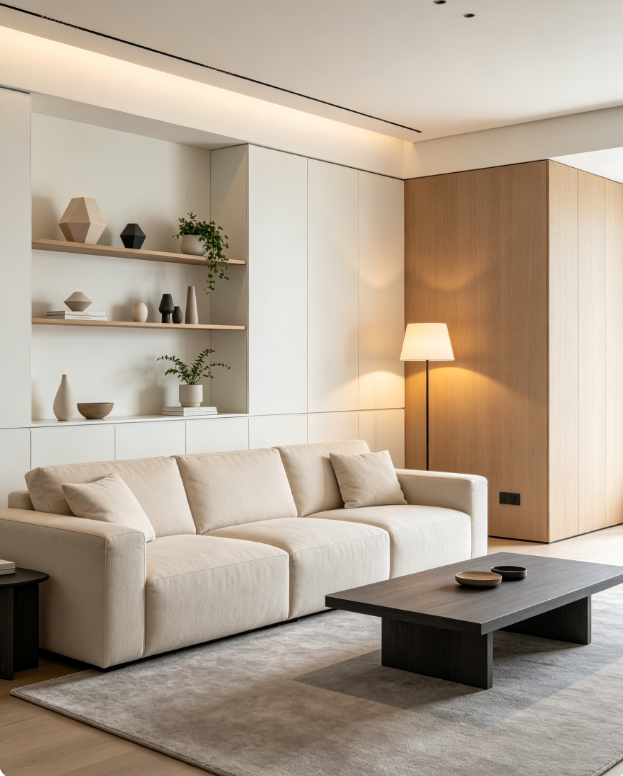
For upholstered furniture such as sofas and cushions, test foam resilience and fabric density. Low-quality padding sinks permanently after short-term use, while high-density foam maintains support for years. Removable, washable covers are a practical advantage for regular household cleaning and extend furniture service life.
Storage & Organization Products
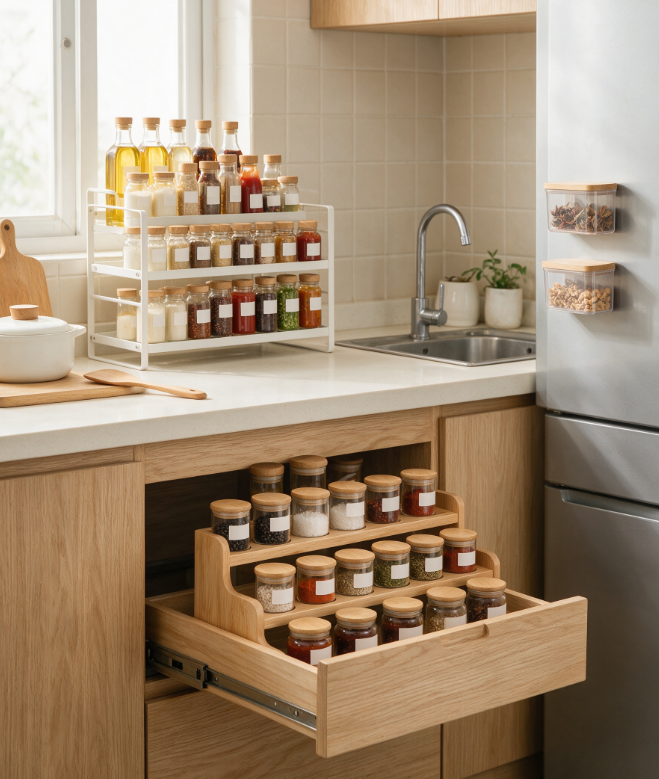
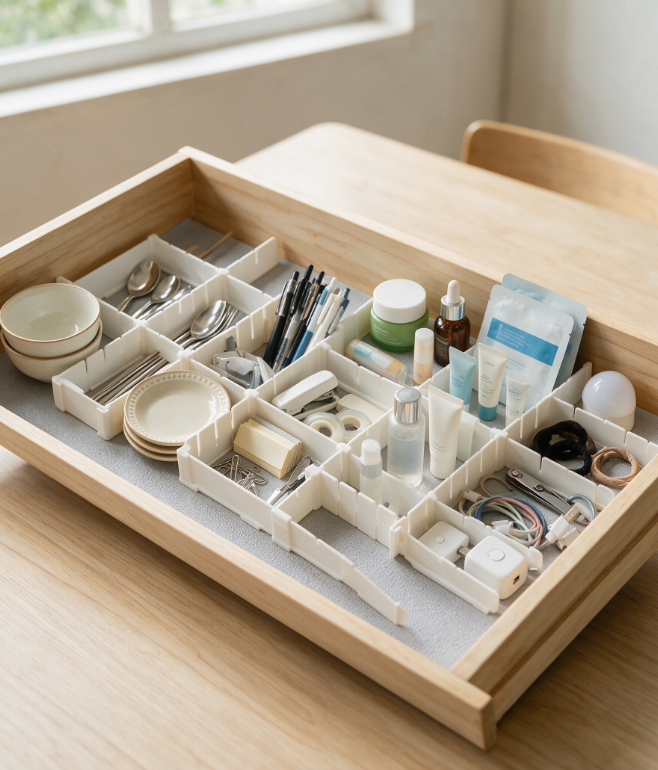
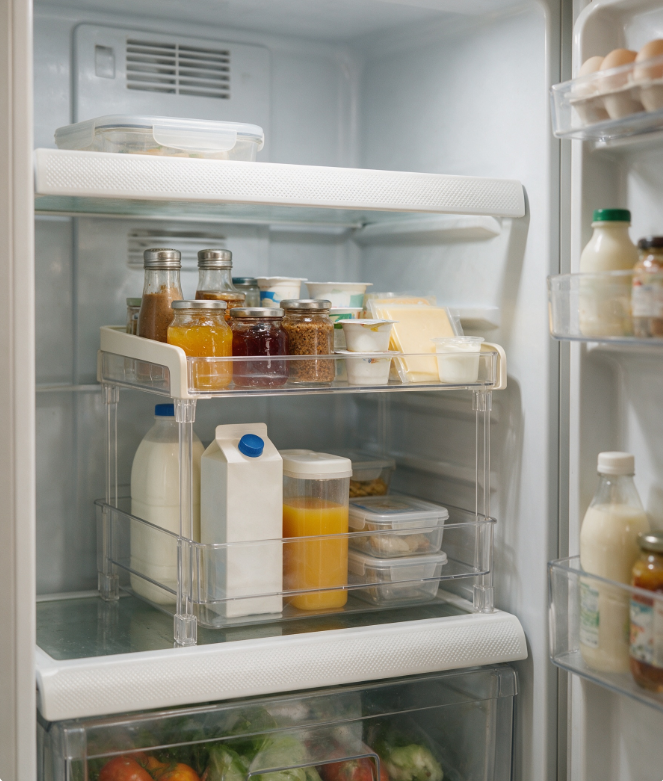
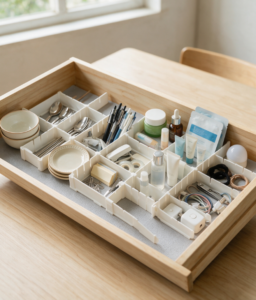
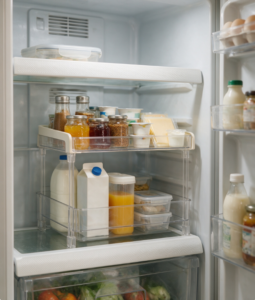
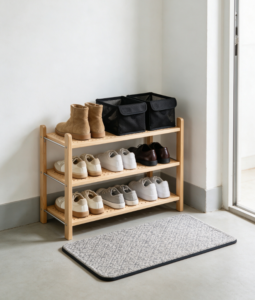
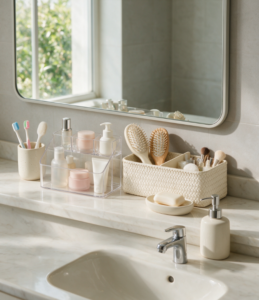
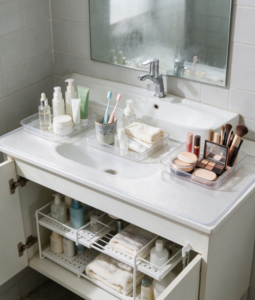
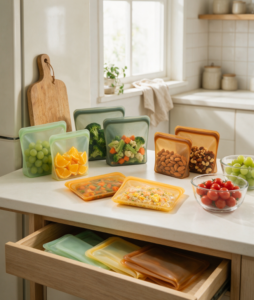
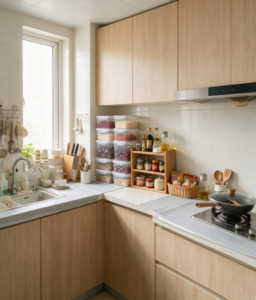
The core of qualified storage products lies in reasonable size and stable load-bearing capacity. Avoid oversized storage boxes that waste indoor space or thin plastic containers that crack under slight pressure. Stackable, uniform-size organizers maximize vertical space and keep homes tidy without messy layouts.
For humid environments, choose moisture-proof and mildew-resistant materials. Transparent or labeled storage designs improve daily item search efficiency, which is more functional than pure aesthetic color matching.
Cleaning Tools
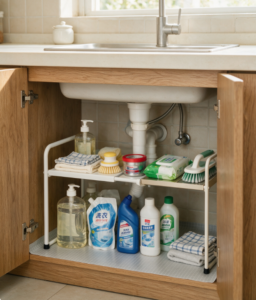
Good cleaning tools focus on simplicity and efficiency. Avoid overly complex multi-functional tools with intricate structures, as they are difficult to rinse and prone to bacterial growth. Mops, cleaning cloths, and brushes should use lint-free, wear-resistant materials that adapt to wooden floors, tiles, and corner areas.
For electric cleaning devices, ignore exaggerated parameter propaganda. Focus on actual noise control, floor adaptability, and the availability of replaceable consumables. Products with easily purchased spare parts effectively avoid early scrapping and reduce long-term usage costs.
Home Textiles
Bedding, curtains, and carpets require basic safety and comfort standards. Prioritize products with clear material ingredient labels and no peculiar chemical odors. Bedroom curtains need appropriate shading performance for rest quality, while living room curtains prioritize light transmission and ventilation.
Bed sheets and pillowcases should adopt skin-friendly, breathable fabrics with good washing resistance. High-pile carpets look cozy but easily hide dust and mites, requiring higher cleaning frequency. Households with sensitive skin can choose flat woven textiles for easier daily maintenance.
Common Consumer Pitfalls to Avoid
Blind pursuit of multi-functionality. Most all-in-one household products compromise single-function performance. Professional single-purpose tools usually work more stably and last longer than hybrid designs.
Overbuying seasonal trending items. Viral home products are often designed for short-term traffic rather than long-term use. They rarely match universal home styles and are quickly eliminated after usage enthusiasm fades.
Ignoring after-sales support. Many cheap no-brand household goods provide zero warranty and after-sales service. For daily frequently used items, basic warranty and accessible customer support effectively reduce subsequent maintenance troubles.
Final Thoughts
Smart household shopping is based on demand matching rather than consumption comparison. The best home products are those that fit your living habits, reduce housework pressure, maintain stable quality, and do not create extra maintenance burdens. By staying rational, focusing on functionality and durability, and avoiding marketing-driven impulse purchases, users can build a comfortable, tidy, and low-cost living environment.