Pet-Friendly Home Cleaning: Safe, Effective Routine That Protects Cats & Dogs
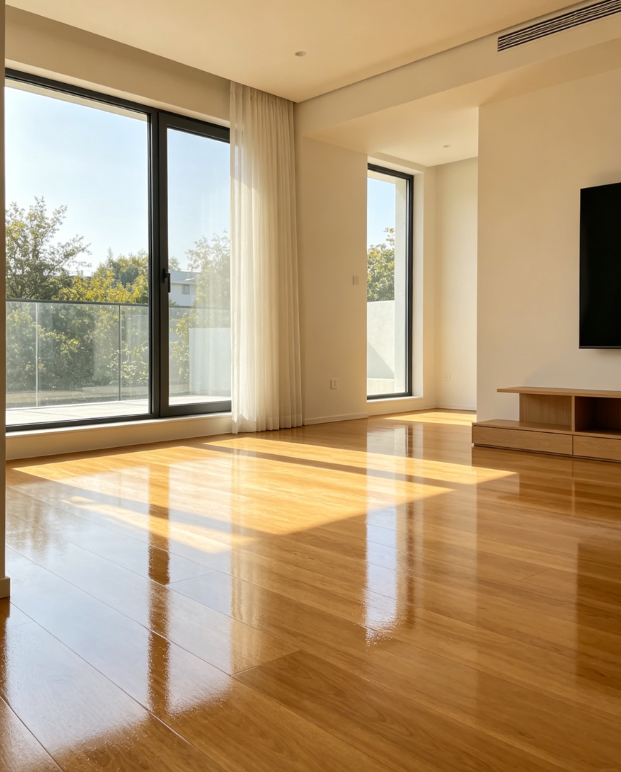
Pet owners face a unique cleaning challenge: balancing a sanitized home environment with pet safety. Many mainstream cleaning routines and common household cleaners contain harsh ingredients that are harmless to humans but toxic to cats, dogs, and small pets. At the same time, pet hair, dander, saliva residue, and tracked-in dirt create ongoing household contamination that standard cleaning often fails to fully resolve.
Why Standard Cleaning Methods Are Risky for Pets
Cats and dogs have far more sensitive respiratory systems and skin than humans. They also interact with floors, carpets, and furniture constantly through direct contact, licking, and inhalation. Many conventional cleaning ingredients linger on surfaces long after drying.
Ammonia, strong bleach formulas, phenolic disinfectants, and heavy synthetic fragrances can cause pet skin irritation, respiratory discomfort, and digestive issues when ingested during grooming. Even diluted residual cleaner film on floors and pet beds accumulates over time, creating chronic low-level health risks for indoor pets.
Beyond chemical risks, generic cleaning often leaves pet-related contaminants behind. Static dusting scatters fine dander, improper mopping spreads saliva residue, and superficial vacuuming misses embedded hair deep in fabrics, worsening indoor air quality and triggering pet and human allergies.
Safe Cleaning Rules for Pet Owners (No Toxic Residue)
The core of pet-friendly cleaning is low-residue, fragrance-minimal, and surface-safe treatment. Harsh disinfection and over-cleaning are unnecessary and counterproductive for pet households.
Prioritize neutral, unscented cleaning solutions for daily upkeep. Mild neutral cleaners effectively break down organic pet residue without leaving corrosive or sticky film that attracts more dirt. Avoid multi-purpose cleaners with strong artificial fragrances, as concentrated scent compounds irritate pet airways and linger in fabric fibers.
Never mix cleaning chemicals in pet-accessible areas. Even common household combinations create irritating volatile fumes that accumulate close to the ground, where pets spend most of their time resting and breathing.
Allow full drying time after wet cleaning. Most chemical risks fade completely once surfaces are fully dry. Keeping pets temporarily away from wet floors and freshly cleaned furniture eliminates nearly all contact-related irritation risks.
Targeted Cleaning for Common Pet-Related Contaminants
Embedded Pet Hair & Dander
Pet hair and microscopic dander are the most persistent contaminants in pet homes. Regular sweeping and casual cloth wiping only move hair around or push dander deeper into carpets and couch cushions. Over time, accumulated dander causes stale indoor odors and recurring allergic reactions.
The most effective routine is layered dry cleaning first. Use a vacuum with a HEPA filter to capture fine dander that standard vacuums recirculate. Attach brush tools to agitate fabric surfaces gently, lifting trapped hair from carpet piles, sofa crevices, and mattress seams. Follow up with slightly damp microfiber cloths to catch remaining floating fine hair on hard surfaces.
Dry pet beds, blankets, and cushions weekly through sun exposure or full ventilation. Dander accumulates heavily on pet resting textiles and is the primary source of persistent pet odor in clean homes.
Saliva & Body Oil Residue
Pet licking, rubbing, and lying on floors leaves invisible organic residue. These thin saliva and body oil films build up on tiles, wooden floors, and furniture surfaces, creating a slightly sticky texture that traps dust and develops stale odors.
Routine plain water mopping is insufficient to break down organic residue. Weekly light cleaning with mild neutral detergent removes invisible bio-film without using harsh chemicals. Always finish with a clean water rinse to eliminate residual cleaner and organic buildup.
Tracked-In Mud & Paw Stains
Outdoor paw dust, mud, and moisture bring outdoor bacteria and fine sediment indoors. Many owners scrub paw marks aggressively with strong cleaners, which leaves harmful residue that pets ingest when licking their paws later.
For fresh paw stains, wipe with warm water and soft microfiber cloths immediately. Dried mud residue can be softened with damp cloth dwell time before gentle wiping. This method removes stains thoroughly without chemical risks. Placing entryway absorbent mats and cleaning pet paws before indoor entry drastically reduces daily floor contamination.
Pet-Safe Room-by-Room Cleaning Routine
Living Room & Pet Activity Zones
Focus on fabric deep cleaning and static dust removal. Vacuum sofas, carpets, and floor cushions twice weekly to prevent dander accumulation. Avoid fabric softeners when washing pet blankets and cloths, as coated fibers trap more dander and cause pet skin irritation.
Bedrooms
Bedrooms are high-sensitivity zones for both humans and pets. Maintain daily dry dusting and weekly bedding replacement. Keep pet resting areas well-ventilated to avoid concentrated dander buildup. Refrain from using strong room sprays near beds and pet sleeping corners.
Kitchen & Pet Feeding Areas
Food bowls, feeding mats, and surrounding floors accumulate food debris, saliva residue, and mold-prone moisture. Wipe feeding surfaces daily and wash pet bowls regularly with mild, food-safe detergent. Dry bowls completely before reuse to prevent bacterial growth around pet eating areas.
Common Pet Cleaning Mistakes to Avoid
Over-disinfecting indoor spaces is unnecessary and risky. Daily household pet bacteria can be managed through regular cleaning and ventilation. Excessive disinfection damages pet skin immunity and irritates respiratory tracts.
Using scented cleaning products to cover pet odors creates hidden risks. Artificial fragrances do not eliminate dander or organic residue; they only mask odors while adding chemical irritants to indoor air.
Neglecting cleaning tool hygiene causes cross-contamination. Hair-clogged vacuums, dander-covered cloths, and dirty mops redistribute pet residue every time you clean, making the home harder to maintain over time.
Conclusion
Pet-friendly home cleaning balances effective decontamination and pet safety. It avoids harsh chemical reliance, focuses on removing root causes like embedded dander, organic residue, and tracked-in dirt, and eliminates odor and allergy triggers at the source. By adopting low-residue cleaning solutions, layered dry cleaning methods, and regular textile maintenance, pet owners can maintain a truly clean, fresh, and non-irritating home environment that protects both family members and indoor pets.