No-Fluff Home Cleaning Guide: Practical, Science-Backed Routines for Real Homes
Most home cleaning content online suffers from the same issues: generic advice, overhyped viral tricks, and unrealistic routines designed for perfect staged homes rather than real, lived-in spaces. Many popular cleaning hacks either fail to deliver consistent results, damage household surfaces over time, or create extra long-term work for homeowners.
The Hidden Reasons Your Home Always Feels Dirty
Persistent household mess is rarely caused by insufficient cleaning frequency. It usually stems from incorrect cleaning order, mismatched cleaning products, and neglected hidden buildup areas that most routine cleaning misses.
Many people clean visible surfaces but ignore accumulation in hidden gaps, high-touch fixtures, and appliance crevices. Over time, invisible dust, bacteria, and residual grime spread back to main surfaces, making homes feel unclean even after regular tidying. Fixing these overlooked weak points creates longer-lasting cleanliness.
Universal Surface-Safe Cleaning Rules
Different household materials have unique tolerance limits. Using universal cleaners on all surfaces is the top cause of gradual home wear, faded finishes, and permanent stains.
Natural stone surfaces including marble, travertine, and limestone cannot tolerate acidic cleaners such as vinegar and lemon-based solutions. Acid substances erode stone sealant, cause gradual corrosion, and create dull, patchy surfaces that cannot be repaired with regular cleaning. Use only pH-neutral stone cleaners for routine maintenance.
Wood furniture and wooden flooring require minimal moisture. Excess water and wet mopping penetrate wood grain, causing warping, swelling, and paint peeling. Always use well-wrung damp microfiber cloths and wood-specific cleaning solutions to avoid long-term damage.
Stainless steel appliances are sensitive to abrasive scrubbers. Steel wool, rough sponges, and harsh scouring powders leave micro scratches that trap grease and dust, making appliances harder to clean in the future. Soft cloths and mild detergent are sufficient for daily stainless steel maintenance.
Kitchen Deep Cleaning: Fix Invisible Grease & Hidden Odor Sources
Kitchen dirt is layered and cumulative. Surface wiping only removes top-level grime, while hidden buildup in appliances and accessories causes recurring stickiness and stale odors.
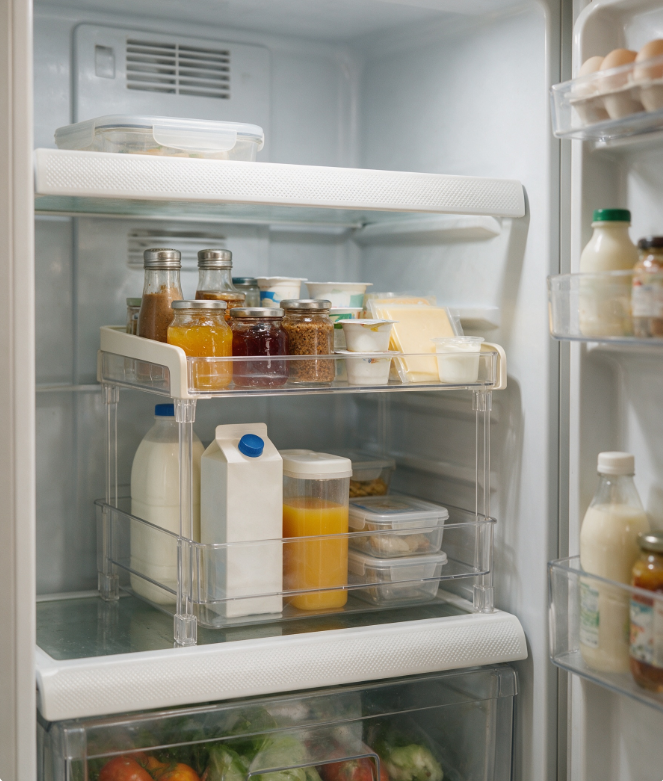
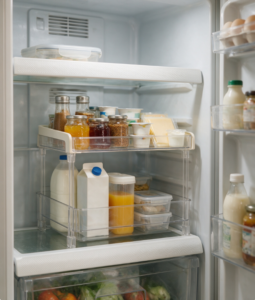
Clean internal refrigerator shelves and drip trays quarterly. Spilled sauces, melted ice, and food drips fall onto hidden drip trays and shelf bottoms, fermenting slowly and releasing subtle odors that affect stored food. Remove removable shelves, wash them with warm soapy water, and dry completely before reinstalling to eliminate hidden bacterial growth.
Degrease small kitchen appliances regularly. Air fryers, toasters, and electric kettles accumulate oil mist, bread crumbs, and mineral deposits with daily use. Residual grease inside air fryer baskets produces burnt smells during repeated heating. Wipe appliance exteriors and clean removable inner components monthly to maintain normal working conditions and avoid odor buildup.
Refresh wooden utensil hygiene. Wooden spoons, chopsticks, and cutting boards develop tiny cracks after long-term use, which trap food residue and bacteria. Boil or deep sanitize wooden utensils every two weeks, and replace cracked or moldy wooden tools promptly to prevent cross-contamination.
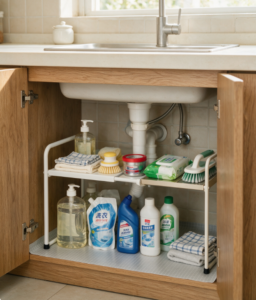
Clean under-kitchen sink areas. This enclosed dark space stores cleaning supplies and often accumulates leaked detergent, stagnant water, and dust. Wipe the cabinet bottom dry monthly, check for pipe leakage, and organize stacked supplies to avoid damp mold growth.
Bathroom Cleaning: Permanently Reduce Mold & Hard Water Buildup
Hard water minerals and persistent humidity are the two core causes of bathroom aging, including foggy glass, dark grout lines, and wall mold. Targeted mineral removal and humidity control achieve better results than frequent blind scrubbing.
Clean shower grout lines monthly. Grout is porous and easily absorbs soap scum and mineral deposits, turning gray and black over time. Use a soft-bristled grout brush with mild cleaning solution to scrub gaps, then dry thoroughly. Regular maintenance prevents deep mold rooting that requires professional renovation.
Remove hard water spots on glass and faucets. Dried mineral deposits form opaque white layers that cannot be removed by regular wiping. Apply a small amount of limescale remover, let it sit for several minutes to dissolve mineral crystals, then wipe clean and rinse. This restores surface transparency and metallic luster.
Maintain bathroom towel hygiene. Towels absorb body oil, skin residue, and bathroom moisture. Hanging damp towels in enclosed spaces breeds bacteria and produces mildew odors. Wash towels weekly and hang them in fully ventilated areas to air dry completely after each use.
Clean toilet base and surrounding floor gaps. Most people only clean the toilet bowl, ignoring the base crevices and floor seams. These gaps accumulate urine splashes and dust, causing persistent invisible odors. Wipe and sanitize these areas weekly for comprehensive bathroom hygiene.
Living Space Cleaning: Eliminate Dust Circulation & Hidden Allergens
Living rooms and bedrooms have less visible dirt but more circulating dust and allergens. Poor cleaning methods cause repeated dust floating and persistent nasal discomfort.
Clean ceiling corners and wall edges. Spider webs and fine dust easily accumulate in room corners and ceiling edges, which are often overlooked. Use a static duster to clean these areas monthly to prevent dust from falling onto furniture and floors with air flow.
Rotate and clean cushion and mattress sides. Sofa cushions and mattress surfaces accumulate sweat, dust, and pet dander after long-term contact. Flip cushions quarterly and vacuum mattress surfaces thoroughly to reduce embedded allergens and keep fabric fresh.
Clean curtain surfaces regularly. Curtains act as large-scale dust filters in rooms, absorbing outdoor floating dust and pollen. Vacuum curtain surfaces monthly and perform seasonal deep washing to reduce indoor dust circulation.
Office & Electronic Device Hygiene
Electronic devices and desk areas harbor far more bacteria than people assume, due to frequent hand contact and poor ventilation.
Sanitize earphones and wearable devices. Bluetooth earphones, watch bands, and fitness bands contact skin sweat and oil daily. Wiping them regularly with mild disinfectant wipes reduces bacterial accumulation and avoids skin irritation caused by long-term wear.
Clean desk mat and mouse pad surfaces. These fabric and rubber surfaces absorb sweat, crumbs, and dust, becoming dark and sticky over time. Wash or wipe them monthly to maintain a clean working environment.
Zero-BS Sustainable Cleaning Routine
Real sustainable cleaning does not require hours of weekly labor. It relies on segmented, low-burden routines adapted to real life.
Daily 3-minute surface reset. Only focus on sticky surfaces and wet garbage. Clean kitchen counter splatters, bathroom sink residues, and timely dispose of damp trash to prevent overnight bacterial reproduction.
Weekly fixed-category cleaning. Divide household tasks by category instead of by room. Focus on all fabric hygiene one week, all mineral and limescale removal the next week, and all dust removal the third week. This improves cleaning proficiency and avoids repeated work.
Quarterly equipment deep maintenance. Check and clean all household appliances, ventilation systems, hidden cabinet spaces, and pipeline gaps to eliminate long-term accumulated dirt.
Common Harmful Cleaning Myths to Avoid
Many widely spread cleaning habits damage home surfaces and reduce indoor air quality.
Stronger cleaner does not mean cleaner results. High-concentration chemical cleaners easily leave residues, irritate respiratory tracts, and corrode delicate surfaces. Most daily dirt can be removed with mild, low-concentration solutions.
Frequent deep scrubbing shortens surface lifespan. Excessive scrubbing on tiles, glass, paint walls, and stainless steel creates cumulative micro damage, making surfaces more prone to dirt adhesion in the future.
Air fresheners do not solve odors. Most air fresheners only cover up smells instead of removing odor sources. Real deodorization relies on cleaning residual dirt, drying humid areas, and improving ventilation.
Conclusion
Professional-level home cleaning is achievable through correct methods and stable daily maintenance, not expensive tools or heavy labor. By matching targeted cleaning techniques to different surfaces, eliminating hidden dirt and odor sources, and abandoning ineffective internet cleaning myths, homeowners can maintain a hygienic, fresh, and durable living environment. All methods in this article are practical, verifiable, and suitable for long-term implementation in ordinary families.