Practical Home Cleaning Guide: Safe, Low-Cost Methods for Every Surface and Room
Most generic home cleaning advice relies on harsh chemical sprays, expensive specialty cleaners, or one-size-fits-all routines that damage delicate surfaces over time. Many homeowners and renters unknowingly scratch countertops, fade furniture finishes, or leave sticky residue by using the wrong cleaning solutions for specific materials. Effective household cleaning does not require endless products or aggressive scrubbing. It depends on material-specific methods, safe low-cost ingredients, and room-targeted routines that deliver clean results without surface wear, chemical buildup, or health risks.
Core Rules for Safe, Low-Cost Home Cleaning
Before cleaning any room or surface, following basic material protection rules avoids most household cleaning damage. First, match the cleaner to the surface instead of using universal all-purpose spray everywhere. Acidic solutions can erode stone; abrasive powders scratch soft coatings; high alcohol content fades wooden finishes. Second, always test new cleaning solutions on an inconspicuous corner to check for discoloration or peeling. Third, wipe from light to heavy dirt and use soft wiping tools to reduce scrubbing force. Fourth, prioritize ventilation when using any cleaning liquid to avoid indoor chemical accumulation.
The most cost-effective household cleaning staples include distilled white vinegar, baking soda, mild dish soap, microfiber cloths, soft sponges, and cotton swabs. These items handle over 80% of daily household dirt, grease, and mild mold without strong chemical irritation.
Kitchen Cleaning: Material-Specific Methods for Grease and Stains
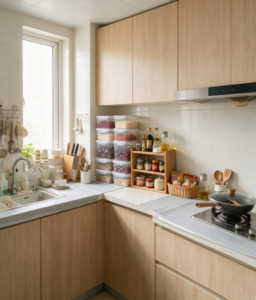
Kitchen cleaning focuses on grease, food residue, and sticky stains. Different countertop, cabinet, and appliance materials require strictly separated cleaning methods.
Quartz and Solid Surface Countertops
Quartz countertops are non-porous but sensitive to strong acid and high-temperature abrasion. For daily light stains, mix one drop of mild dish soap with warm water, wipe with a microfiber cloth, and dry immediately. For dried food residue, make a paste of baking soda and water, apply a thin layer on the stain, leave it for three minutes, and wipe gently. Do not use vinegar, bleach, or scouring powder on quartz; long-term use will cause surface dulling and micro-scratches.
Natural Stone (Marble, Granite)
Marble and granite are acid-sensitive. Never use vinegar, lemon juice, or acidic cleaners, which corrode stone surfaces and form permanent faint pits. Daily cleaning only requires warm water or neutral mild soap water. For oily stains, use a small amount of stone-specific neutral detergent and wipe along the texture. Dry the surface completely after cleaning to prevent water spots.
Wooden Cabinets
Wooden cabinet surfaces are prone to fading and paint peeling from excess water and alcohol. Mix a tiny amount of mild dish soap with warm water, wring the microfiber cloth until completely damp rather than wet, and wipe grease areas lightly. Avoid soaking wood surfaces. After cleaning, wipe again with a dry cloth to remove residual moisture. Do not use disinfectant alcohol or abrasive tools on painted wood.
Stove and Range Hood
For stainless steel stove surfaces, use warm soapy water to remove daily grease. For thick old grease, apply a baking soda and water paste, let it sit for five minutes, and wipe with a soft sponge. Clean stainless steel along the metal grain to avoid cross scratches. Do not use steel wool for any kitchen metal surface.
Bathroom Cleaning: Humidity Resistance, Mold and Water Scale Removal
Bathroom dirt mainly consists of water scale, soap scum, mild mold, and humidity residue. The key is to distinguish acid-resistant and acid-unproof materials.
Ceramic Tiles and Glass Shower Doors
Ceramic tiles and glass are acid-resistant and suitable for mild vinegar solutions. Mix white vinegar and water in a 1:1 ratio, spray on tile surfaces, gaps, and glass doors, leave for three to five minutes, and wipe clean. This dissolves water scale and soap scum effectively. For black mold in tile grout, apply concentrated baking soda paste, scrub gently with an old toothbrush, and rinse. This method avoids strong bleach irritation for daily maintenance.
Bathroom Vanity (Wood and PVC)
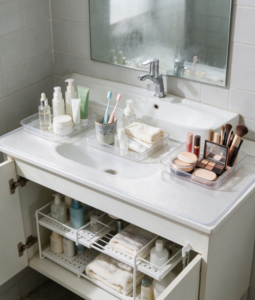
PVC vanities are waterproof and can be cleaned with neutral soapy water. Wooden vanities must avoid long-term water soaking. Use a damp microfiber cloth for quick wiping and dry immediately. Do not apply vinegar or acidic cleaners on wooden vanity surfaces to prevent paint discoloration.
Stainless Steel Faucets
Water scale on faucets causes dullness. Apply a small amount of vinegar-water solution on a cloth, wrap it around the faucet for two minutes, and wipe off residual scale. Polish with a dry cloth to restore metallic brightness. Avoid frequent use of strong descaling agents to prevent surface oxidation.
Living Room & Bedroom Cleaning: Gentle Maintenance for Delicate Surfaces
Living room and bedroom areas have less heavy grease but accumulate dust, fiber residue, and light stains. Most furniture surfaces are delicate and require gentle cleaning to avoid wear and fading.
Wooden Floors and Wood Furniture
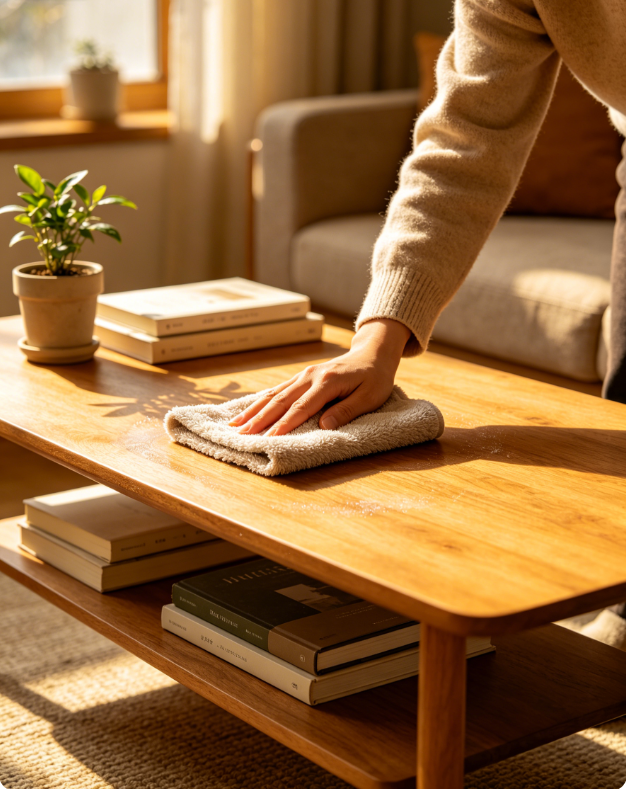
Solid wood floors and wooden furniture are sensitive to excess water and acid-base solutions. Daily dust removal only requires a dry microfiber mop or cloth. For footprints and light stains, use a barely damp cloth with a drop of neutral soap, wipe quickly, and dry immediately. Never flood wooden floors with water or use vinegar-based solutions, which damage floor wax layers and cause long-term cracking and discoloration.
Fabric Sofas and Cushions
For daily fabric dust, use a vacuum cleaner with a soft brush head. For local stains, mix mild dish soap with cold water, dip a sponge to create foam, wipe only the stained area, and absorb residual moisture with a dry towel. Do not soak fabric surfaces or use high-temperature hot water, which causes fabric shrinkage and color fading.
TV and Electronic Screens
LCD and LED screens are sensitive to alcohol and rough wiping. High-concentration alcohol dissolves screen coating, and paper towels leave fine scratches. Use a dry ultra-fine microfiber cloth to wipe dust. For fingerprint stains, use a tiny amount of distilled water on the cloth, wring thoroughly, and wipe gently.
Low-Cost Daily Cleaning Habits to Reduce Heavy Dirt Buildup
Most heavy stains and stubborn mold are caused by long-term accumulation rather than difficult cleaning itself. Simple daily maintenance greatly reduces household cleaning pressure without extra cost.
After kitchen cooking, wipe the stove and countertop with a damp cloth while residual heat remains. Grease is easier to remove before cooling and curing. After each shower, wipe glass doors and tile walls to reduce water scale deposition. Open windows for 10 minutes daily to reduce indoor humidity and inhibit mold growth. Conduct a weekly 10-minute surface dust removal to prevent dust from bonding with moisture and forming stubborn dirt.
Safe Cleaning Taboos to Avoid Household Damage
Never mix vinegar and bleach, which produces irritating harmful gas. Do not use abrasive scouring powder on wood, stone, or coated surfaces. Avoid high-concentration alcohol on furniture finishes and fabric printing areas. Do not use steel wool on any smooth surface, including stainless steel, glass, and countertops. These common misoperations cause irreversible household surface damage and hidden health risks.
Conclusion
Truly efficient home cleaning is not about strong chemicals or frequent deep cleaning, but about matching correct methods to different materials and regions. Low-cost daily supplies and material-targeted cleaning routines can safely remove most household stains, grease, and mold while protecting furniture and home surfaces from wear. Standardizing daily cleaning habits avoids stubborn dirt accumulation, reduces long-term maintenance costs, and maintains a hygienic, comfortable living environment with minimal time and budget investment.