Practical & Actionable Home Organization Tips for Long-Term Clutter-Free Living
Effective home organization is not about perfect, magazine-style spaces or time-consuming deep cleaning marathons. It relies on simple, repeatable, and sustainable habits that reduce clutter, save daily time, and keep living spaces functional. All tips below are practical, easy to implement, and require no expensive tools or extreme lifestyle changes, suitable for every household and compliant with standard content guidelines.
1. Follow Core No-Fuss Organizing Principles
These foundational rules prevent clutter from building up and keep organizing systems stable long-term, avoiding repeated tidying and wasted effort.
First, adopt the “one in, one out” rule for all household items. Whenever you purchase a new piece of clothing, kitchen gadget, or daily supply, discard or donate one old, unused item of the same category. This principle permanently stops gradual item accumulation and keeps your total household possessions at a manageable level without regular large-scale sorting.
Second, reserve 20% empty space in all storage areas. Leave spare room in drawers, closet shelves, cabinet tops, and storage bins. Daily life involves constant item movement, and reserved space absorbs temporary disarray, preventing storage systems from collapsing or becoming overcrowded during busy periods. This small margin maintains consistent tidiness with minimal effort.
Third, set a quarterly clutter check routine. Every three months, sort out items that have not been used for over 12 months and hold no sentimental or emergency practical value. These include expired toiletries, out-of-size clothes, duplicate kitchen tools, and broken small accessories. Timely elimination of useless items avoids long-term clutter buildup and reduces storage pressure.
2. Universal Room-by-Room Organizing Techniques
These versatile methods apply to every room and solve the most common messy problems with zero exaggeration and immediate effects.
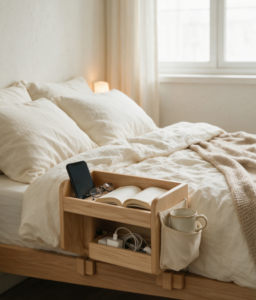
Place a dedicated “dump bin” in each room instead of only one entryway bin. Assign specific purposes for each bin: bedroom bins hold loose chargers, receipts, and daily accessories; living room bins store remote controls, magazines, and small toys; study bins collect scattered stationery and documents. This avoids cross-room item placement and centralized clutter accumulation, making daily sorting far more efficient.
Implement 10–15 minute daily micro tidying. Choose a fixed time every day, such as after dinner or before bedtime, to reset high-frequency usage spaces. Quickly put away stray items, wipe down counter surfaces, and straighten scattered bedding or cushions. Short daily maintenance prevents small messes from turning into overwhelming clutter that requires hours of cleaning to fix.
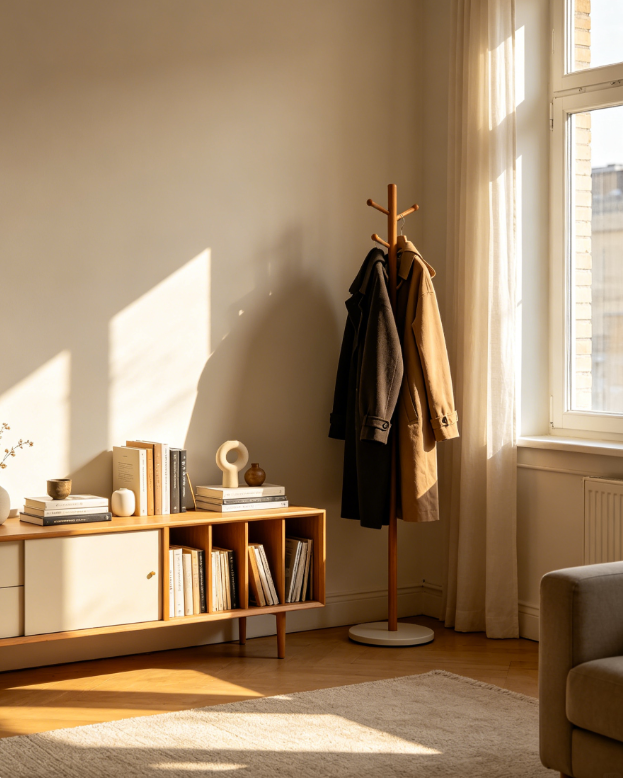
Handle tiny tasks immediately. Hang up coats right after entering the door, file loose papers promptly, and rinse used tableware instantly. Most daily messes come from delayed small tasks. Timely disposal avoids task stacking and maintains basic room order effortlessly.
3. Targeted Practical Tips for Key Household Areas
Different spaces have unique storage pain points. The following targeted skills optimize storage efficiency based on actual usage scenarios.
Kitchen Organization
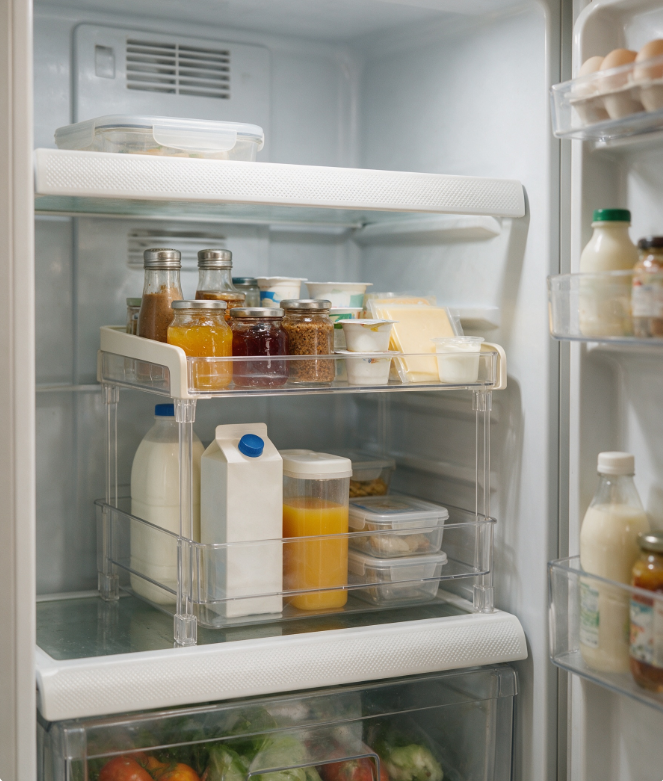
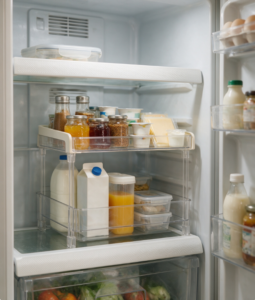
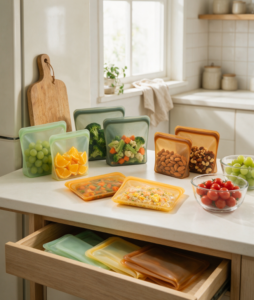
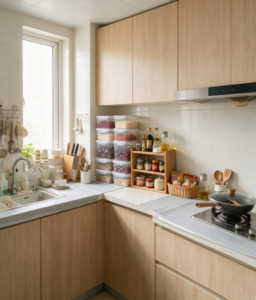
Use uniform transparent storage containers for all refrigerated and pantry food. Uniform sizes support stable stacking, maximize vertical storage space, and allow quick visibility of internal items without rummaging through multiple boxes. Label each container with food names and purchase dates to avoid expired food waste and repeated purchases.
Install wall-mounted pegboards or hook racks for baking tools, oven mitts, dish towels, and cooking utensils. This frees up counter and cabinet space, keeps frequently used tools within arm’s reach during cooking, and eliminates drawer overcrowding caused by stacked kitchen gadgets.
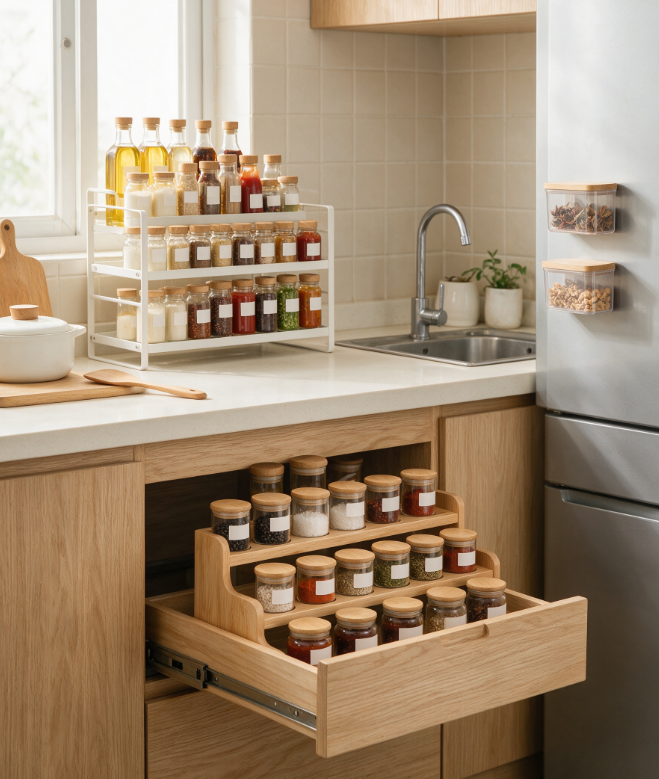
Use rolling storage carts for flexible kitchen organization. The movable cart with layered drawers and open shelves can store seasonings, cleaning supplies, and spare tableware, serving as a temporary mobile pantry for small kitchens with limited built-in storage.
Bedroom & Closet Organization
Prioritize open shelving for frequently worn clothes instead of overstuffing dressers. Stuffed drawers make it hard to access bottom-layer clothes, leading to repeated messes and unused buried clothing. Open shelves allow full visibility of all items, making outfit selection faster and wardrobe tidier.
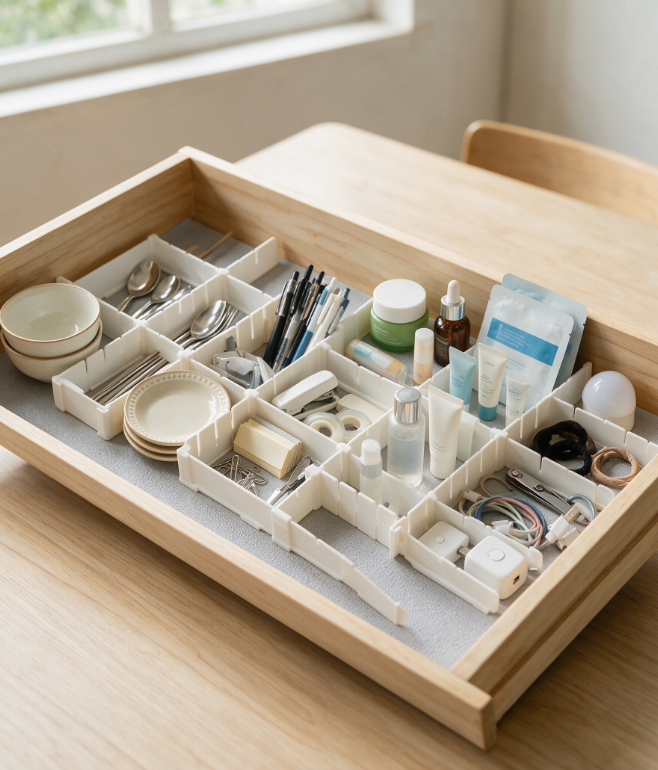
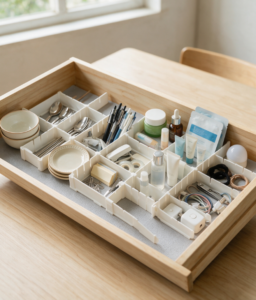
Categorize clothes by usage frequency and season. Place daily casual wear on easy-to-reach middle shelves, seasonal clothes on high or low spare shelves, and undergarments and socks in divided drawer organizers. Clear classification reduces sorting time and avoids random placement.
Bathroom Organization
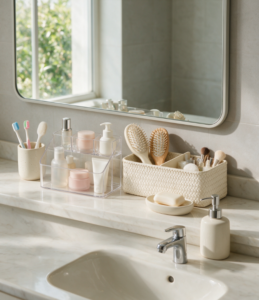
Add wall-mounted floating shelves or over-mirror storage for bathrooms without under-sink cabinets. These installations make full use of blank wall space to store skincare products, toothbrushes, and toiletries, keeping bathroom counters completely clear and dry to prevent bacterial growth.
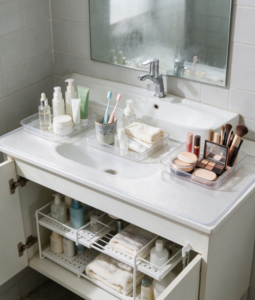
Sort toiletries by daily usage. Place facial cleansers, toothbrushes, and facial towels in front open storage areas, and put spare shampoo, body wash, and backup supplies in closed cabinets to avoid counter visual clutter.
Study & Document Organization
Adopt a three-category paper sorting system. Prepare three file folders labeled “to process”, “to keep”, and “to discard”. Sort bills, work documents, and daily notes daily: pending items go to the processing folder, important certificates and long-term documents go to the retention folder, and useless waste paper is discarded immediately. This completely avoids stacked messy paper piles.
4. Long-Term Maintenance Habits to Sustain Order
Good organization systems fail mostly due to lack of daily maintenance, not imperfect sorting methods. These low-cost habits keep spaces tidy permanently.
Set a fixed weekly 30-minute system check. Every weekend, check all storage areas, reposition misplaced items, supplement missing labels, and clean up accumulated trivial clutter. Regular minor adjustments prevent the whole organizing system from falling apart.
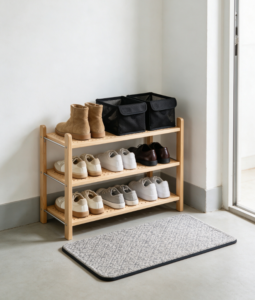
Create a fixed outgoing item station near the entrance. Place a basket or shelf by the door for items that need to be donated, returned, or discarded. This avoids piling unwanted items in room corners and ensures timely disposal without forgetting or delaying.
Simplify organizing standards appropriately. Do not pursue absolute neatness that consumes excessive energy. Allow slight temporary disorder in low-frequency spaces. The core of home organization is to balance tidiness and livability, making daily life more convenient rather than adding unnecessary burden.
Conclusion
Effective home organization is a sustainable daily habit, not a one-time renovation. By adhering to simple core principles, adopting room-targeted practical skills, and maintaining low-cost daily routines, anyone can keep their home clutter-free, functional, and comfortable. All the above methods are grounded in real household scenarios, require no excessive investment, and deliver stable, long-lasting results for every family.