Practical Home Organization Tips That Actually Work (No Hype, No Perfect Staging)
Most home organization content online focuses on staged, flawless interiors that are impossible to maintain in real life. Many people tidy their homes thoroughly, only to see clutter return within days. This repetitive cycle is not caused by laziness. It comes from unsustainable organizing methods that prioritize visual appeal over real daily living.
The Real Cause of Persistent Household Clutter
Most homes stay messy due to flawed storage logic, not lack of cleaning. The most common mistake is organizing items by category instead of behavior. When people group all clothes, toiletries, tools, and sundries together regardless of usage frequency, daily life becomes inconvenient.
Everyday items get hidden deep inside cabinets and drawers, while rarely used seasonal objects occupy easy-access surfaces. When common items require extra steps to store correctly, temporary placement becomes unavoidable. Over time, these small inconveniences turn into chronic clutter. Sustainable organization fixes this problem by adapting storage to daily habits.
Three Sustainable Organizing Rules for Any Home
These three simple principles improve every room in the house and reduce most recurring mess.
Organize by usage frequency. Items used every day, such as basic clothing, toiletries, and kitchen utensils, should be placed at eye level and within arm’s reach. Items used weekly or monthly belong in standard drawers and middle shelves. Seasonal items, backups, and emergency supplies belong in high, deep, or out-of-sight storage. This layout minimizes friction and random placement.
Control item accumulation. Most clutter builds from continuous new purchases and unused old items. Duplicate tools, expired products, unread items, and unworn clothes slowly crowd living space. Regularly removing unused belongings prevents overstocking without requiring strict cleaning routines.
Leave buffer space. Fully packed storage cannot tolerate daily mistakes. Leaving 10 to 15 percent empty space in drawers, cabinets, and shelves allows temporary placement and keeps the whole system stable after regular use.
Bedroom and Closet Organization for Daily Use
Bedroom clutter mainly comes from mixed seasonal clothes, overstocked accessories, and overly complex folding methods. For long-term tidiness, simplicity always works better than perfection.
Separate your closet into current-season daily wear, occasional wear, and off-season storage. Keep frequently worn outfits in the most accessible spots. Store thick blankets and unused seasonal clothes in higher or sealed storage areas. This reduces daily sorting time and prevents pile-ups.
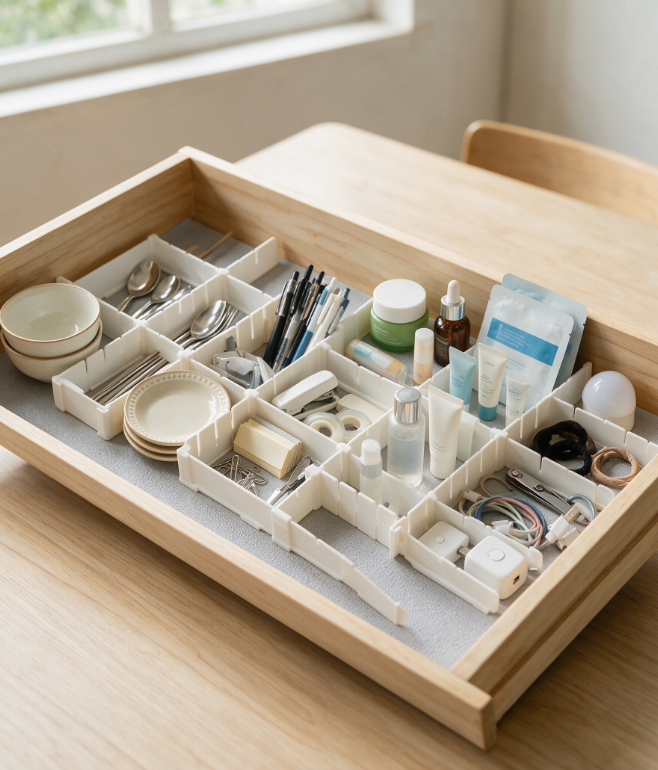
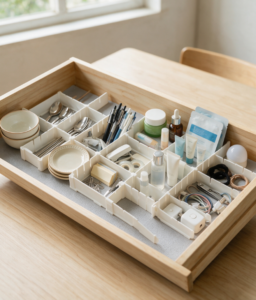
Simplify drawer layout. Daily casual clothes do not need excessive dividers. Too many partitions waste space and slow down morning routines. Reserve small compartments only for tiny items such as socks, accessories, and jewelry.
Do a quarterly clothing check. Clothes untouched for 12 months or longer are unlikely to be worn again. Removing idle garments is the most effective way to keep closets consistently organized.
Practical Kitchen Organization to Reduce Countertop Clutter
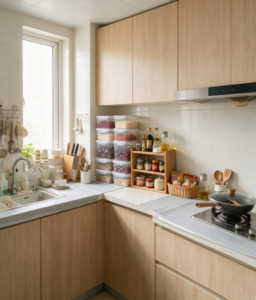
Kitchen mess usually comes from misplaced tools, overstocked food, and scattered small appliances. Organizing based on cooking workflow creates natural tidiness.
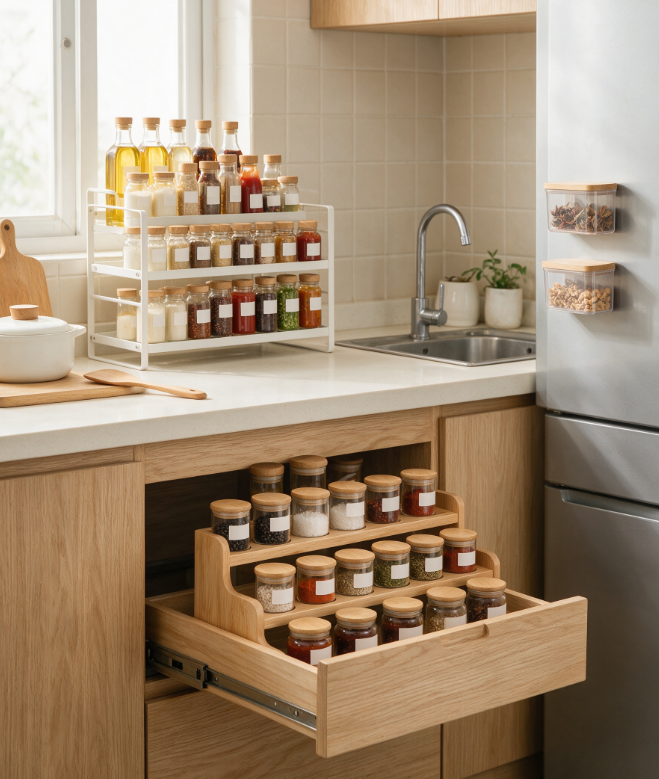
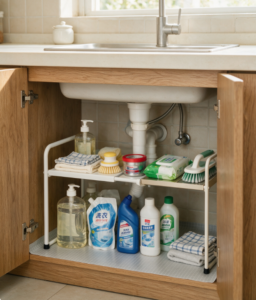
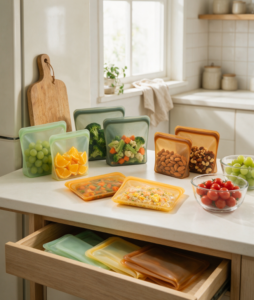
Store items according to how you cook. Keep cooking tools and seasonings near the stove. Place cleaning supplies near the sink. Keep prep tools and food containers near the counter workspace. When items live where they are used, they are more likely to be returned after each use.
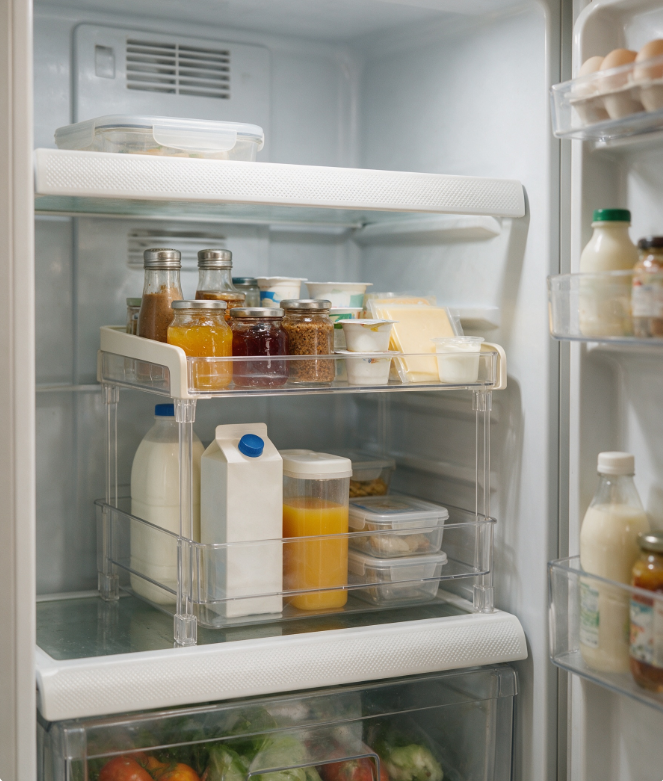
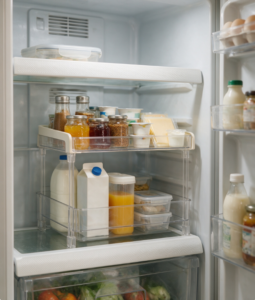
Avoid overstocking groceries. Bulk buying often leads to forgotten, expired food and crowded cabinets. Use the first-in, first-out method and purchase groceries based on actual consumption instead of discounts.
Consolidate small appliances and cables. Centralize frequently used devices in one fixed zone. Tidying wires reduces visual clutter and makes countertops easier to clean daily.
Bathroom Organization for Hygiene and Long-Term Cleanliness
Bathroom storage requires moisture resistance and ventilation. Fully closed containers trap humidity and cause mold, odor, and product deterioration.
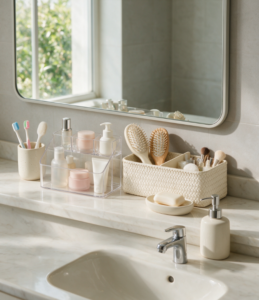
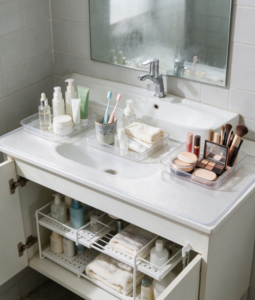
Separate daily toiletries from backup supplies. Keep everyday skincare and oral care products on open shelves for quick access. Store refills and less frequent items in ventilated cabinets to avoid dust and moisture buildup.
Use breathable storage for wet items. Towels, cleaning cloths, and bath sponges must dry completely after use. Open hanging storage prevents bacterial growth and mildew better than sealed baskets.
Check expiration dates monthly. Cosmetics, skincare, and oral care products degrade over time. Removing expired items improves bathroom hygiene and frees up storage space.
Living Room and Entryway Clutter Solutions
Most living room clutter is temporary, consisting of keys, mail, remote controls, headphones, and small daily items. These minor objects create a consistently messy visual effect.
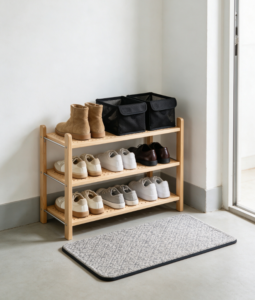
Create a single drop zone for daily carry items. A simple tray or small basket at the entrance concentrates all small belongings in one place and eliminates random scattering.
Reduce unnecessary decorative items. Too many ornaments, frames, and trinkets accumulate dust and increase cleaning work. Minimal surface styling keeps living spaces tidy with low maintenance.
Low-Effort Routine to Keep Your Home Organized Year-Round
Lasting tidiness relies on small daily habits instead of occasional deep cleaning.
Complete a two-minute surface reset every night. Clear misplaced items and tidy flat surfaces before bed to prevent mess accumulation.
Tidy one zone per week. Focus on one cabinet, drawer, or room weekly to avoid exhausting full-house cleaning.
Refresh seasonal storage every three months. Rotate seasonal items and clear unused goods to keep the home functional and orderly.
Common Organizing Mistakes That Make Your Home Messier
Many popular organizing tips create more work instead of solving problems.
Buying too many storage containers does not fix clutter. Excess bins and dividers fragment space, create hidden dust corners, and slow down daily access.
Chasing uniform aesthetics is unsustainable. Real household items have different shapes and sizes. Functionality should always come before visual consistency.
Storing rare items in prime locations wastes daily convenience. Seasonal decor and spare supplies should not occupy easy-access space.
Conclusion
Effective home organization is practical, behavioral, and sustainable. It does not require expensive tools, perfect aesthetics, or excessive time. By fixing storage logic, controlling item accumulation, avoiding common mistakes, and maintaining simple daily routines, anyone can keep a clean, clutter-free home with minimal long-term effort.