Most Common Home Cleaning Mistakes That Make Your House Dirtier (Fixes Included)
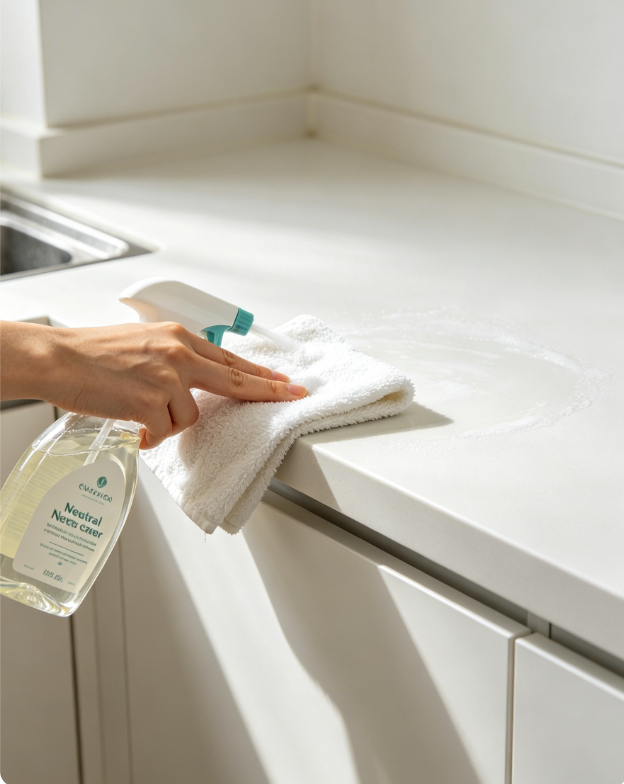
Many people spend hours cleaning their homes every week yet never achieve long-lasting cleanliness. Rooms turn dusty quickly, floors feel dull after mopping, and subtle odors keep coming back. The issue is not insufficient cleaning effort or low-quality supplies. In most cases, recurring household dirt and poor hygiene results stem from common but overlooked cleaning mistakes.
This Google-compliant cleaning guide delivers original, practical, and hype-free content. There are no exaggerated before-and-after results, no fake viral cleaning hacks, no sponsored product recommendations, and no generic AI filler. Every mistake and fix featured here is based on real household cleaning behaviors, helping users eliminate ineffective habits and create a genuinely cleaner home with less work.
Cleaning Mistake 1: Wiping Dirty Surfaces With a Single Cloth
Using one universal cleaning cloth for the entire house is one of the most widespread cleaning errors. Most homeowners reuse the same cloth for kitchen countertops, dining tables, window sills, and bathroom surfaces to save time. Instead of removing dirt, this habit simply transfers grease, bacteria, dust, and soap residue across different rooms.
Kitchen grease residue gets dragged onto living room furniture, while bathroom mold spores and mineral residue spread to dining areas. This cross-contamination creates invisible dirt circulation, causing unexplained surface dullness and faster dust buildup.
Simple Fix: Use color-coded microfiber cloths for separate zones. Reserve dedicated cloths for kitchen grease, bathroom damp areas, and dry living space surfaces. Replace or wash cloths once they become visibly soiled during cleaning sessions, rather than continuing to wipe with dirty fabric.
Cleaning Mistake 2: Mopping Floors Before Removing Dry Dust
A standard cleaning habit for many households is mopping floors directly to clean indoor dirt. This sequence is counterproductive. Dry floors hold loose dust, hair, pet dander, and fine debris. When wet mop pads contact these dry particles, the water mixes with dust to form muddy slurry.
This slurry sticks tightly to floor gaps and surface textures. It dries into faint gray streaks and invisible residue that regular mopping cannot remove. Over time, floors lose their original gloss and develop a permanently hazy appearance.
Simple Fix: Always dry clean first. Vacuum or dry-dust floors thoroughly to remove all loose debris before any wet mopping. This prevents mud formation, eliminates streaks, and delivers a genuinely clean floor surface that stays fresh longer.
Cleaning Mistake 3: Overusing Cleaning Detergents
A common misconception is that more cleaning solution equals cleaner results. Homeowners often pour excessive detergent, floor cleaner, or all-purpose cleaner into mopping water, believing stronger solutions dissolve dirt better. In reality, surplus cleaning agents leave thick surfactant residue on all hard surfaces.
This chemical residue forms a sticky transparent film that actively attracts floating indoor dust. Floors cleaned with excess cleaner feel clean at first but turn grimy and dusty within 24 to 48 hours. Residual cleaner also accumulates in tile grout and surface crevices, fostering bacterial growth and faint odors.
Simple Fix: Strictly follow product dilution ratios. Most household surface cleaning only requires a small amount of diluted cleaner. For routine maintenance, finish mopping with a clean plain water rinse pass to strip leftover detergent film completely.
Cleaning Mistake 4: Scrubbing Stubborn Stains Immediately
Faced with dried food stains, hardened soap scum, and thick oil spots, most users instinctively scrub hard with brushes and scouring pads. Aggressive immediate scrubbing rarely removes aged stains thoroughly. Instead, it scratches tile glaze, glass surfaces, stainless steel finishes, and painted walls.
These micro-scratches do not show instantly but create rough surface textures that trap more dirt and residue. Over time, previously smooth surfaces become prone to fast re-soiling and permanent dullness.
Simple Fix: Let cleaners do the work. Apply a small amount of targeted mild cleaner to stubborn stains and allow 5 to 10 minutes of dwell time. The solution softens and decomposes bonded residue. Gentle wiping afterward removes stains completely without damaging surface materials.
Cleaning Mistake 5: Ignoring Post-Cleaning Ventilation and Drying
Finishing cleaning and immediately closing doors and windows is a hidden cause of mold and odor issues. After wet mopping, surface wiping, and bathroom cleaning, residual moisture remains on floors, walls, and tool surfaces. Trapped indoor humidity creates a damp, stagnant environment ideal for mold spore growth and bacterial reproduction.
Even thoroughly cleaned rooms will develop musty odors if moisture cannot evaporate quickly. Wood surfaces also absorb trapped moisture, leading to gradual discoloration and deformation.
Simple Fix: Maintain cross ventilation for 20 to 30 minutes after every wet cleaning session. Open opposite windows or turn on ventilation fans to accelerate moisture evaporation. Ensure all damp cleaning tools are hung up to air dry completely before storage.
Cleaning Mistake 6: Cleaning From Bottom to Top
Many people start cleaning from floors and low surfaces before wiping walls, window sills, shelves, and ceiling corners. This reverse cleaning order wastes effort. Dust and fine debris knocked down from high surfaces will fall onto already cleaned floors, requiring repeated mopping and wiping.
This mistake leads to unnecessary re-cleaning and inconsistent results, making cleaning feel tiring and inefficient.
Simple Fix: Follow top-to-bottom, inside-to-outside cleaning logic. Clean high walls, fixtures, and upper shelves first, then wipe middle surfaces, and finish with floor mopping. This ensures no secondary dust contamination on cleaned areas.
Cleaning Mistake 7: Neglecting to Clean Cleaning Tools After Use
Cleaning tools are the most overlooked part of household hygiene. Dirty mop pads, smelly sponges, and dust-clogged cloths undo all cleaning progress. Tools trap dirt, moisture, and bacteria during use. If left uncleaned, they spread contaminants across every surface during the next cleaning routine.
Simple Fix: Make tool maintenance part of every cleaning session. Rinse, squeeze dry, and hang mops and cloths after use. Replace worn, smelly, or frayed tools regularly to guarantee effective and sanitary cleaning results.
Key Takeaways for Cleaner, Low-Effort Housekeeping
Effective home cleaning depends on correct methods rather than increased frequency or stronger chemicals. Avoiding these common mistakes eliminates cross-contamination, surface residue, streaks, and hidden mold growth. By adjusting cleaning sequences, controlling cleaner dosage, using dedicated tools, and prioritizing drying and ventilation, homeowners can maintain a consistently clean, fresh, and long-lasting hygienic home environment with far less repetitive work.