Realistic Home Cleaning Tips: No Hacks, No Exaggeration, Just Proven Results
Most online home cleaning content falls into two categories: overly simplistic generic advice or sensationalized “miracle hacks” that rarely work in real households. Many supposed quick fixes require specialized tools, damage surfaces over time, or deliver temporary results that worsen long-term buildup.
Smart Cleaning Fundamentals That Save Time
Cleaning efficiency does not come from working faster. It comes from fixing common cleaning mistakes that create extra work.
Always clean high surfaces first before floors. Dust, crumbs, and fine debris fall downward during wiping and dusting. Cleaning floors first means newly fallen dirt immediately ruins finished surfaces, forcing repeated work. Working top-down eliminates redundant cleaning and ensures one-pass results.
Treat stains while fresh whenever possible. Food spills, liquid splatters, and soap residue are far easier to remove when wet. Once substances dry, harden, or oxidize, they require stronger cleaners, longer soaking, and aggressive scrubbing that can damage countertops, ceramic, and paint.
Avoid overusing cleaning solutions. Excess detergent, multi-purpose cleaner, or disinfectant leaves invisible residue on surfaces. This sticky film attracts more dust and grime, making rooms look dull and dirty faster. For most daily cleaning tasks, a small amount of product or plain warm water is sufficient.
Kitchen Cleaning: Target Grease, Odors, and Hidden Buildup
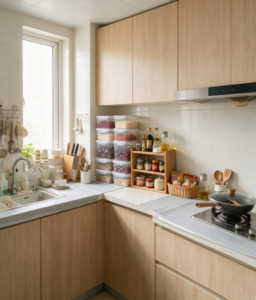
The kitchen accumulates layered grease, food bacteria, and organic odors that routine wiping often misses. Focused surface-specific cleaning prevents permanent buildup.
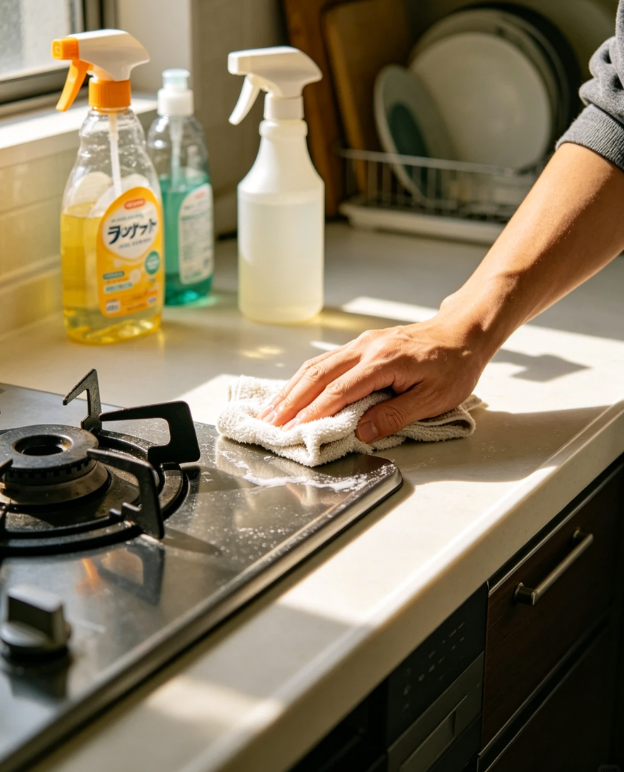
Wipe cooking surfaces shortly after use. Stovetops, range hood exteriors, and backsplash tiles trap liquid oil and fine food particles during cooking. While surfaces are still slightly warm, a quick wipe with a microfiber cloth removes most grease before it cools, hardens, and becomes stubborn. This simple step eliminates the need for heavy monthly degreasing sessions.
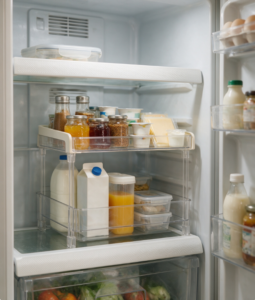
Deep clean refrigerator door seals every two weeks. Rubber gaskets collect tiny food particles, spilled liquids, and mold spores that create hidden fridge odors. Use a cotton swab and mild soapy water to clean gasket crevices thoroughly. This practice prevents mold growth and keeps stored food fresh longer without chemical fridge deodorizers.
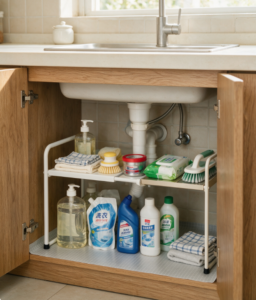
Clean sink drains weekly to prevent slow drainage and odors. Kitchen sinks trap food debris inside drain openings and around stoppers. Remove visible residue by hand, then flush drains with warm water. Regular maintenance stops greasy buildup from hardening into clogs that require professional cleaning.
Replace and sanitize kitchen sponges frequently. Sponges harbor more bacteria than most household surfaces. Rinse sponges thoroughly after use, squeeze dry, and sanitize weekly with hot water. Replace worn, discolored sponges monthly to avoid cross-contaminating clean dishes and countertops.
Bathroom Cleaning: Eliminate Mold, Limescale, and Mildew
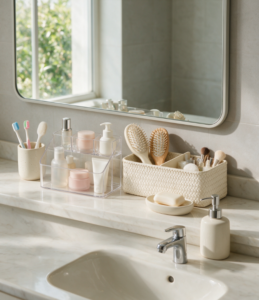
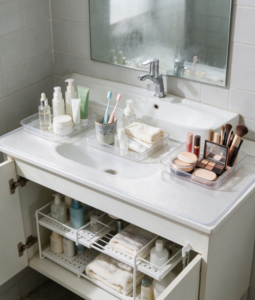
Bathroom dirt primarily comes from accumulated moisture, mineral deposits from hard water, and soap scum. Long-term cleanliness depends on moisture control, not constant scrubbing.
Dry wet surfaces after every shower. Standing water on shower glass, tiles, and sink basins quickly forms limescale and feeds mildew growth. A one-minute post-shower wipe with a squeegee or dry cloth drastically reduces future cleaning workload and prevents foggy, stained surfaces.
Soak toilet bowl stains instead of aggressive scrubbing. Yellow rings and mineral stains form from prolonged water exposure. Apply toilet cleaner evenly along the upper inner bowl, allow 10 to 15 minutes of dwell time, then scrub gently. Soaking breaks down mineral deposits naturally and protects ceramic glaze from abrasion damage.
Clean bathroom exhaust fans monthly. Dust buildup on fan blades reduces ventilation efficiency. Poor ventilation traps humidity indoors and accelerates mold growth on walls and ceilings. A quick monthly dusting improves air circulation and reduces overall bathroom moisture levels.
Wash shower curtains and liners regularly. Soap scum and body oils accumulate on fabric and plastic liners, causing dingy discoloration and mildew spots. Machine wash removable liners monthly to maintain a hygienic shower environment.
Living Room & Bedroom: Reduce Dust and Allergens
These spaces do not develop visible grime quickly, but they collect large amounts of invisible dust, skin flakes, and fabric allergens that affect air quality.
Dust before vacuuming. Dry dusting lifts surface particles from shelves, window sills, and furniture tops. Vacuuming afterward removes fallen dust completely. Reversing this order scatters fine dust into the air, which resettles and creates persistent dullness.
Maintain a weekly bedding cleaning routine. Sheets, pillowcases, and pillow surfaces absorb sweat, body oil, and dead skin cells. Weekly washing is the most effective way to reduce indoor allergens and maintain bedroom hygiene, far more practical than occasional deep mattress cleaning.
Clean remote controls and light switches weekly. These high-touch surfaces harbor more bacteria than floors and tables. A quick wipe with gentle disinfectant wipes reduces germ accumulation with minimal effort.
Home Office & Electronics Safe Cleaning
Electronics require careful, dry-focused cleaning to avoid coating damage, liquid seepage, and hardware issues.
Use only dry microfiber cloths for screens. TV screens, monitors, and laptop displays have delicate anti-glare coatings. Paper towels, wet wipes, and rough cloths cause micro-scratches and permanent coating wear. Dry microfiber material safely removes fingerprints and dust.
Clean keyboard gaps with soft brushing. Keyboards trap dust, hair, and crumbs between keys. A small soft brush dislodges dry debris without pushing particles deeper or damaging internal components.
Realistic Low-Effort Cleaning Routine for Busy People
Consistent light maintenance outperforms occasional exhausting deep cleaning. Sustainable routines prevent dirt layering and keep homes reliably clean year-round.
Daily 5-minute reset. Clear wet trash, wipe kitchen and bathroom flat surfaces, and pick up floor debris. This stops minor daily messes from hardening into stubborn stains.
Weekly focused zone cleaning. Instead of full-house cleaning, tackle one problematic zone each week: kitchen grease one week, bathroom limescale the next, and fabric furniture the third. This method distributes workload evenly and avoids burnout.
Monthly hidden-spot inspection. Check window tracks, cabinet edges, appliance bases, and door frames. These overlooked areas accumulate dust and grime slowly and cause homes to look unclean even after regular cleaning.
Common Cleaning Mistakes That Make Homes Dirtier
Many habitual cleaning behaviors unintentionally worsen household hygiene.
Never mix different cleaning chemicals. Vinegar, bleach, ammonia, and detergent combinations can create harmful fumes and corrode surfaces. Always use single-purpose cleaners separately and rinse thoroughly between different treatments.
Do not scrub dry stains. Hardened residue on glass, tile, and wood needs moisture to soften first. Dry scrubbing causes micro-abrasions that trap future dirt and leave permanent dull marks.
Do not neglect cleaning tools. Dirty mops, sponges, and cloths redistribute bacteria and dust. Rinse, dry, and replace cleaning tools regularly to ensure effective results.
Final Takeaway
Genuine home cleaning success relies on consistent, simple habits rather than expensive products or unrealistic deep-clean marathons. Understanding surface characteristics, controlling moisture buildup, maintaining high-touch hygiene, and avoiding common cleaning errors create a reliably cleaner, healthier home environment. All methods in this article reflect real household application, delivering steady, visible improvement without overstated results or impractical lifestyle demands.