Everyday Household Cleaning Tips: Practical, Zero-Hype Solutions for Lived-In Homes

Most online cleaning content overpromises fast, flawless results that do not align with real household life. Many trending cleaning tricks rely on harsh chemical combinations, specialized tools, or unrealistic daily routines that most people cannot sustain long-term. In practice, consistent home cleanliness depends on simple, repeatable actions that target the root of dirt buildup, rather than temporary surface fixes.
Core Cleaning Habits That Stop Dirt From Accumulating
Many people clean frequently yet still live in a home that feels dusty or slightly messy. This is usually due to inconsistent cleaning logic and misplaced cleaning priorities, not lack of effort.
Prioritize high-traffic surfaces over full-room deep cleaning. Entryway floors, kitchen countertops, bathroom sinks, and frequently touched fixtures collect the majority of daily dirt, bacteria, and residue. Maintaining these key areas daily prevents most common household messes, while low-traffic corners only need periodic maintenance.
Always remove dry dust before wet cleaning. Wiping dusty surfaces with water or cleaner mixes loose dust into a sticky muddy film that adheres to tiles, wood, and glass. This leftover residue continues to attract more dirt, making surfaces dull and harder to clean over time.
Avoid leaving surfaces air-dry after wet cleaning. Tap water contains mineral particles that leave invisible spots and streaks once evaporated. A quick manual dry wipe ensures no residual film remains, extending the clean state of countertops, glass, and metal fixtures.
Kitchen Cleaning: Resolve Sticky Residue & Subtle Odors
Kitchen grime builds up in layers. Fresh food splatters and light oil mist are easy to remove, but when left untreated, they harden into stubborn buildup that requires heavy scrubbing.
Clean trash bag overhangs and can edges. Most kitchen odors do not come from inside the trash bag itself. Food residue sticks to trash can rims, lid edges, and gaps where the bag folds over. These tiny organic deposits decompose slowly and release persistent sour smells. Wiping these edges weekly eliminates most unexplained kitchen odors.
Maintain clean cutting board grooves. Knife grooves on wooden and plastic cutting boards trap tiny food particles that basic rinsing cannot remove. Over time, these hidden residues breed bacteria and cause cross-contamination. Scrub grooved surfaces with a soft brush and warm soapy water after each use, and sanitize weekly.
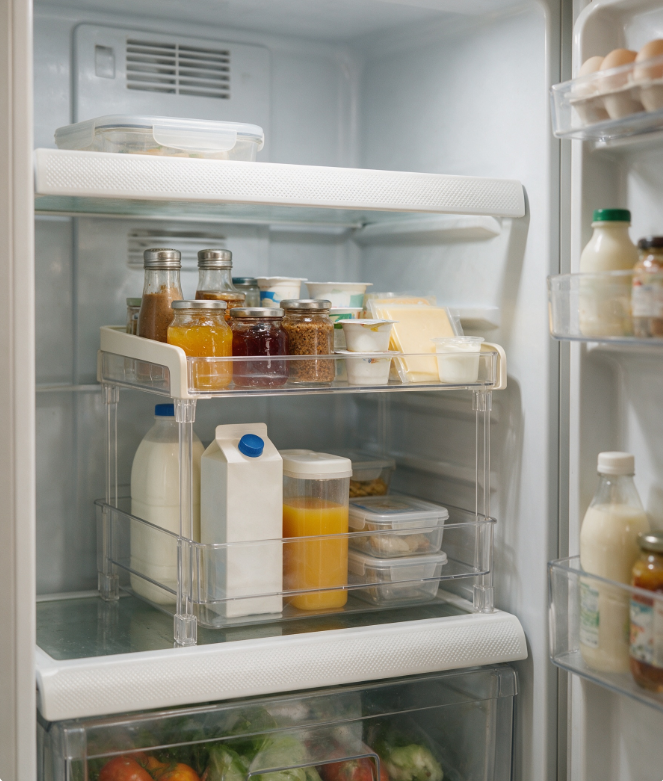
Remove refrigerator condensation residue. After storing frozen food or opening fridge doors frequently, condensed water accumulates on shelf surfaces and corners. Mixed with tiny food crumbs, this moisture creates hidden mold spots and stale odors. Wiping condensation dry every few days keeps fridge interiors fresh.
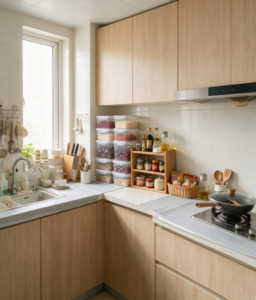
Clean exterior range hood surfaces weekly. Even light daily cooking produces invisible oil mist that settles on hood surfaces. Weekly wiping prevents oil dust mixture from hardening into thick, yellowed grease that is difficult to remove later.
Bathroom Cleaning: Prevent Mold, Water Spots & Musty Air
Bathroom cleaning challenges stem from continuous humidity and hard water minerals. Mold and limescale are not caused by occasional dirt, but by unresolved long-term moisture residue.
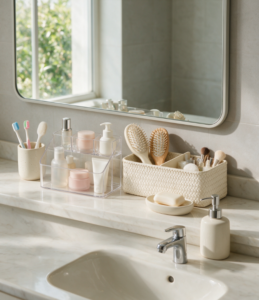
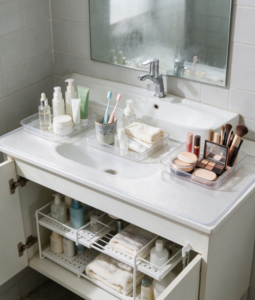
Clean soap bottle bottom rings. Shampoo, body wash, and facial cleanser bottles leave sticky residue rings on bathroom countertops and shower shelves. These rings trap dust and breed mold in humid conditions. Lifting bottles and cleaning shelf surfaces monthly avoids permanent dark stains.
Maintain clean shower drain covers. Hair, soap scum, and skin debris accumulate on drain covers, slowing water drainage and creating damp, smelly buildup. Removing and rinsing the cover weekly prevents blockages and odor buildup without professional help.
Wipe toilet surrounding floor grout. Splashed water and tiny residue particles gather on floor grout around the toilet base. The porous grout absorbs moisture and gradually turns black and moldy. Regular sanitizing and drying preserve grout cleanliness and eliminate hidden bathroom odors.
Ventilate the bathroom after every use. Even short 10-minute ventilation sessions reduce indoor humidity significantly. Lower humidity levels slow mold reproduction and prevent foggy glass and tile surfaces.
Living Room & Bedroom: Control Dust & Indoor Allergens
Visible messes in living areas are rare, but invisible dust, fabric fibers, and dead skin debris accumulate constantly, causing stuffy air and easy dust resettlement.
Clean window track dust and debris. Window tracks collect outdoor dust, fallen leaves, and fine dirt that blow indoors when windows open. A soft brush removes dry debris, followed by damp wiping to keep window areas clean and reduce indoor dust sources.
Vacuum sofa armrests and headrests. These high-contact fabric areas absorb body oil, sweat, and hair. Ordinary surface sweeping cannot remove embedded debris. Targeted vacuuming reduces fabric dullness and allergen buildup.
Dust wall art and mirror edges. Framed decorations and mirror edges gather static dust that is often overlooked. Accumulated dust falls during room ventilation, creating new random messes on clean surfaces.
Home Office Cleaning: Safe Hygiene for Work Surfaces
Home office surfaces host large amounts of daily bacteria due to continuous hand contact, while electronic devices accumulate dust that affects usage and hygiene.
Clean laptop ventilation grilles regularly. Dust blocking ventilation holes affects heat dissipation and accumulates fine debris. Gentle dry brushing removes surface dust safely without damaging internal hardware.
Sanitize frequently touched small items. USB drives, cable heads, desk clips, and earphone cases are touched daily but almost never cleaned. Mild disinfectant wiping reduces bacterial accumulation effectively.
Keep desktop paper clutter sorted. Random stacked papers trap dust and create hidden dead cleaning corners. Classifying and filing documents daily maintains a tidy desktop and reduces dust adhesion.
Practical Cleaning Mistakes to Avoid
Many common cleaning habits gradually damage home surfaces and make dirt harder to remove.
Avoid harsh abrasive cleaners on smooth surfaces. Abrasive powders scratch stainless steel, ceramic glaze, and glass, creating tiny grooves that trap more dirt and grease in the future.
Do not use excessive disinfectant for daily cleaning. Unnecessary chemical residues remain on surfaces, attracting dust and causing indoor air irritation.
Never leave cleaning tools damp and enclosed. Unwashed, damp cloths and mops breed mold and bacteria, spreading secondary pollution during the next cleaning.
Sustainable Cleaning Routine for Ordinary Households
Long-term clean homes rely on low-burden fixed routines instead of sporadic exhausting deep cleaning.
Daily micro maintenance (3 to 5 minutes). Tidy scattered items, wipe fresh stains, and dry wet surfaces to prevent initial dirt buildup.
Weekly targeted cleaning. Focus on one category of hidden dirt each week, including gap residue, high-touch bacteria, and humid-area mold prevention.
Seasonal deep inspection. Clean neglected hidden areas such as appliance backs, cabinet tops, and pipeline gaps to clear aged accumulated dirt.
Conclusion
Effective home cleaning is a simple, systematic daily behavior rather than a difficult household task. By correcting wrong cleaning methods, focusing on hidden residue and moisture control, and maintaining low-frequency stable maintenance, every family can keep their living environment clean, fresh, and hygienic throughout the year. All techniques in this article are summarized from real household scenarios, with no exaggerated effects or impractical requirements, fully suitable for long-term daily implementation.