Cervical Spine Health: How to Prevent and Relieve Chronic Neck Pain

The cervical spine, commonly known as the neck region, is the most flexible and vulnerable segment of the human spinal column. Composed of seven vertebrae, delicate intervertebral discs, complex nerve networks, and supportive soft tissues, it bears the full weight of the head while enabling a wide range of motions, including bending, rotating, and tilting. In the digital age, prolonged screen time, sedentary work, and widespread poor posture have made cervical spine discomfort a modern epidemic. Chronic neck strain, stiffness, soreness, and even radiating arm numbness affect people of all ages. Fortunately, most cervical spine problems are lifestyle-induced and entirely preventable. This professional guide explores the causes of cervical spine issues, practical daily protection methods, and science-backed relief strategies to maintain long-term cervical health.
Why the Cervical Spine Is Prone to Injury
Unlike the stable thoracic and lumbar spine, the cervical spine prioritizes flexibility over structural stability. Its lightweight bony structure and thin supporting muscles allow free head movement but make it highly susceptible to overuse and strain. Under healthy conditions, the cervical spine maintains a gentle forward physiological curvature that evenly distributes head pressure. However, persistent bad posture gradually straightens or reverses this natural curve, disrupting mechanical balance.
When cervical alignment is compromised, intervertebral discs endure uneven compression, neck muscles remain in constant tension, and peripheral nerves may be irritated. This leads to common symptoms such as stiff neck muscles, persistent neck pain, shoulder tightness, headaches, and numb fingers. Over time, untreated cervical strain can develop into chronic cervical spondylosis, affecting daily work efficiency, sleep quality, and overall physical comfort.
Modern Lifestyle Causes of Cervical Spine Damage
Forward Head Posture and Screen Dependency
Smartphone and computer overuse is the primary cause of modern cervical degeneration. When people hunch over screens with their heads tilted forward, the effective weight of the head increases exponentially. A slight forward tilt dramatically raises pressure on cervical discs and posterior neck muscles. Maintaining this posture for hours every day causes cumulative muscle fatigue, ligament strain, and gradual loss of cervical curvature. This habitual strain, widely known as “text neck,” has become a leading cause of youth cervical problems.
Prolonged Static Sitting and Lack of Movement
Office workers, remote workers, and students often maintain fixed sitting postures for most of the day. Long-term immobility slows blood circulation in the neck and shoulder area, causing muscle stiffness and lactic acid accumulation. Continuous static compression squeezes cervical intervertebral discs, reduces disc elasticity, and weakens the endurance of supporting soft tissues. Without regular relaxation and movement, minor strain evolves into persistent chronic pain.
Unhealthy Sleeping Habits
Sleep accounts for one-third of daily life, making sleeping posture critical for cervical recovery. Using overly high, flat, or stiff pillows disrupts natural cervical alignment during rest. High pillows force the neck to bend forward, while pillowless sleeping causes cervical hyperextension. Sleeping in prone positions twists the cervical spine and strains unilateral muscles. These incorrect sleeping habits prevent nighttime cervical repair and accelerate spinal degeneration.
Acute Strain and Environmental Factors
Sudden head twisting, improper stretching, and excessive neck force during exercise or daily activities can cause acute cervical muscle sprains. In addition, long-term exposure to cold wind and air conditioning directly stimulates neck soft tissues, causing vasoconstriction, poor blood circulation, and muscle spasms, which aggravate cervical stiffness and pain.
Scientific Daily Habits to Protect Cervical Spine
Maintain Correct Posture During Work and Study
Keeping standard ergonomic posture is the most effective way to reduce cervical pressure. When sitting, keep the upper body upright, relax the shoulders, retract the chin slightly, and maintain the natural cervical curve. Computer screens should be placed at eye level to avoid long-term head lowering or lifting. When using mobile phones, lift the device to eye level instead of bowing the head for a long time.
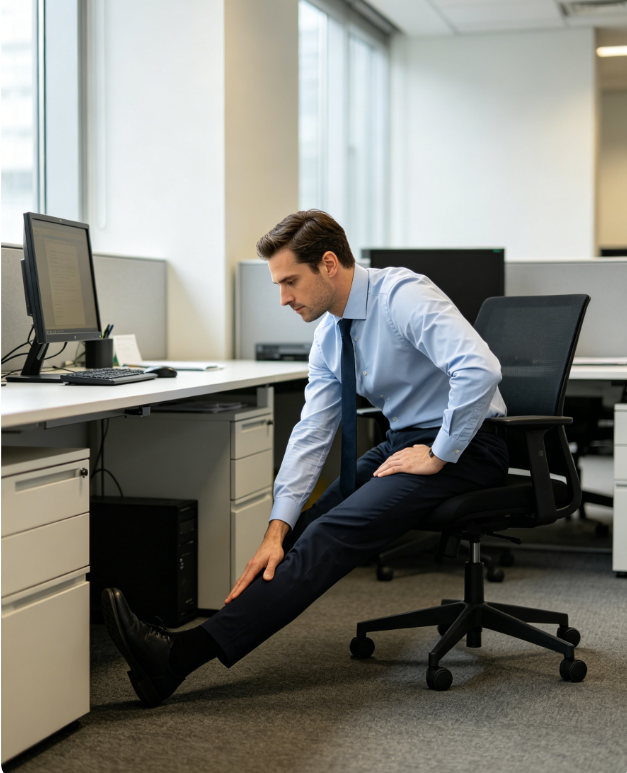
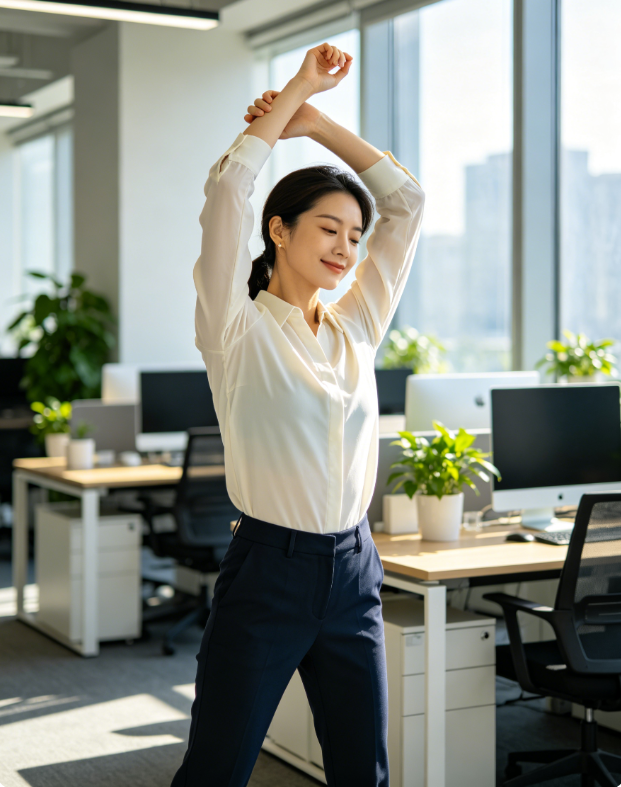
Adhere to the micro-movement principle: take a break and perform simple neck stretching every 30 to 40 minutes of continuous work. Short, frequent movements effectively relieve muscle tension and prevent cumulative cervical fatigue.
Choose Cervical-Friendly Sleep Equipment
A qualified pillow is essential for cervical protection. The ideal pillow should support the physiological curve of the cervical spine, fitting the gap between the neck and the mattress. It should provide moderate softness and hardness, supporting the head and neck without compression. Avoid overly fluffy or flat pillows that fail to maintain spinal alignment. Sleeping on the back or side helps stabilize cervical posture and promotes effective nighttime tissue repair.
Avoid Harmful Daily Habits
Eliminate habitual behaviors that damage cervical health, including bowing the head for hours, clamping phones between the neck and shoulder, carrying heavy single-shoulder bags, and violent neck twisting. These unnoticeable daily habits cause asymmetric muscle force and cervical misalignment over time. Keeping the neck warm and avoiding direct cold stimulation prevents muscle stiffness and nerve irritation.
Safe Stretching and Exercises for Cervical Relief
Daily Gentle Neck Stretches
Moderate stretching relieves neck muscle tension, improves cervical flexibility, and promotes local blood circulation. Slow neck tilting, gentle side stretching, and relaxed shoulder rolls effectively release stiffness caused by long sitting. All movements should be slow and controllable, avoiding rapid rotation or excessive bending that may strain vulnerable cervical tissues. Consistent daily stretching significantly reduces the frequency of neck soreness and stiffness.
Muscle Strengthening Training
Strong neck, shoulder, and upper back muscles provide stable external support for the cervical spine. Weak supportive muscles force the cervical spine to bear excessive pressure independently. Low-intensity training such as cervical retraction exercises, resistance neck training, and upper back strengthening movements improves muscle balance, enhances spinal stability, and corrects forward head posture. Balanced muscle force effectively reduces disc pressure and prevents chronic cervical strain.
Low-Impact Sports for Cervical Health
Regular moderate exercise benefits overall cervical function. Swimming, yoga, brisk walking, and tai chi improve body posture, enhance muscle coordination, and relax cervical soft tissues. These sports avoid high-impact compression while promoting whole-body blood circulation, helping nourish cervical intervertebral discs and delay degenerative changes.
Recognize Warning Signs of Severe Cervical Issues
Most mild neck stiffness and soreness belong to simple muscle fatigue and can be relieved through rest and stretching. However, some symptoms indicate potential cervical nerve and disc problems that require professional attention. Persistent neck and shoulder pain that does not improve after rest, frequent migraines, radiating numbness or tingling in the arms and fingers, dizziness, and limited neck rotation are typical warning signs.
Ignoring these symptoms may lead to aggravated disc protrusion, nerve compression, and chronic cervical spondylosis. Early professional examination, posture correction, and targeted rehabilitation training can effectively control cervical problems and prevent long-term health impacts.
Conclusion
Cervical spine health is a key part of human motor function and daily comfort. Most modern cervical diseases stem from long-term poor posture, insufficient movement, and unhealthy lifestyle habits rather than sudden injury. By maintaining scientific sitting and sleeping posture, adhering to daily stretching and muscle training, and avoiding prolonged cervical compression, individuals can effectively prevent chronic neck pain and cervical degeneration. Protecting the cervical spine in daily life helps maintain flexible movement, comfortable physical status, and long-term bodily health.