Daily Mental Health and Emotional Regulation: Practical Ways to Relieve Stress and Stabilize Your Mood
Mental health is the core foundation of personal well-being and quality of life. In modern daily life, people of all ages face continuous subtle pressure from work, study, interpersonal relationships, family responsibilities, and uncertain life changes. These long-term trivial stressors easily cause emotional fluctuations, inner restlessness, persistent anxiety, negative thinking, and mental fatigue. Many people ignore mild emotional problems, assuming that bad moods will disappear naturally over time. However, unregulated negative emotions gradually accumulate, affecting sleep, work efficiency, physical immunity, and long-term psychological stability. Daily emotional regulation and stress relief are essential life skills that help individuals maintain inner balance, face life pressure calmly, and sustain long-term mental wellness.
How Chronic Daily Stress Affects Mental and Physical Health
Most emotional instability does not stem from major emergencies, but from long-term low-intensity pressure accumulation. Tight daily schedules, endless trivial tasks, unmet expectations, interpersonal friction, and excessive self-requirement create continuous psychological consumption. Unlike sudden strong stress, chronic daily pressure is often invisible and easy to ignore.
When negative emotions cannot be released and adjusted in time, the nervous system remains in a long-term tense state. Over time, people will experience frequent overthinking, difficulty relaxing, decreased concentration, poor sleep quality, easy irritability, and loss of enthusiasm for daily life. In addition, emotional stress is closely linked to physical health. Long-term mental tension may trigger endocrine imbalance, chronic fatigue, decreased immunity, and gastrointestinal discomfort, forming a vicious cycle of poor mood and physical sub-health.
Key Principles of Scientific Emotional Regulation
Healthy emotional adjustment is not about forcing oneself to stay positive all the time or suppressing negative feelings. True mental balance lies in allowing emotions to occur, accepting inner states, and guiding moods back to stability through scientific and gentle methods. There are three core principles for daily emotional management: acceptance over resistance, release over suppression, and stability over extreme positivity.
First, negative emotions are normal human psychological reactions. Anxiety, sadness, irritability, and confusion are not signs of vulnerability. They are natural reminders that the mind is under excessive pressure. Accepting negative emotions can reduce inner confrontation and reduce secondary psychological consumption.
Second, emotional suppression is the main cause of mental exhaustion. Many people habitually disguise their moods and bear pressure silently to maintain external performance. Long-term suppression does not eliminate stress; it accumulates deeper inner contradictions and may lead to sudden emotional collapse.
Third, long-term mental health relies on stable daily maintenance rather than occasional emotional healing. Sustained small daily adjustments are far more effective than one-time intense relaxation.
Practical Daily Stress Relief and Emotional Soothing Methods
The most effective emotional regulation methods are simple, low-cost, and suitable for daily repetition. These lifestyle-based adjustments can calm the nervous system, empty psychological pressure, and rebuild inner stability without professional equipment or complex operations.
1. Physical Relaxation to Relieve Mental Tension
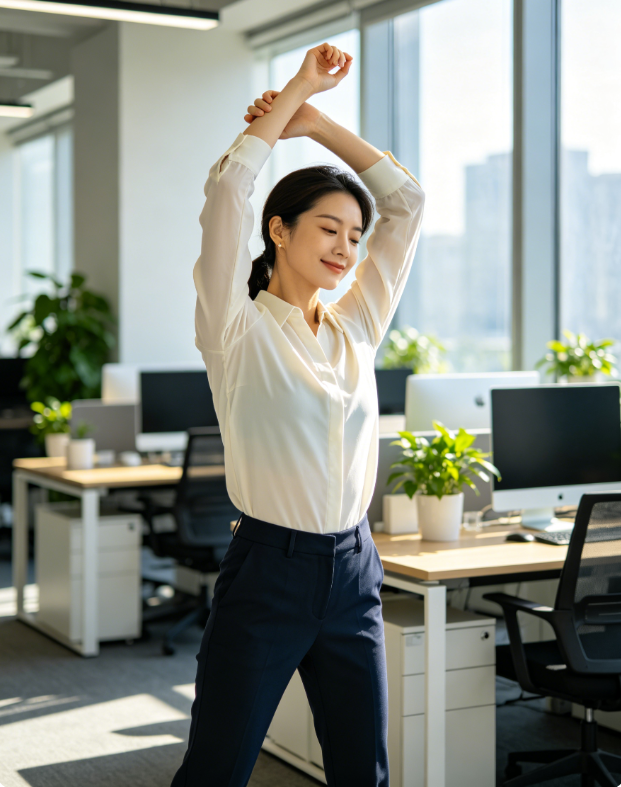
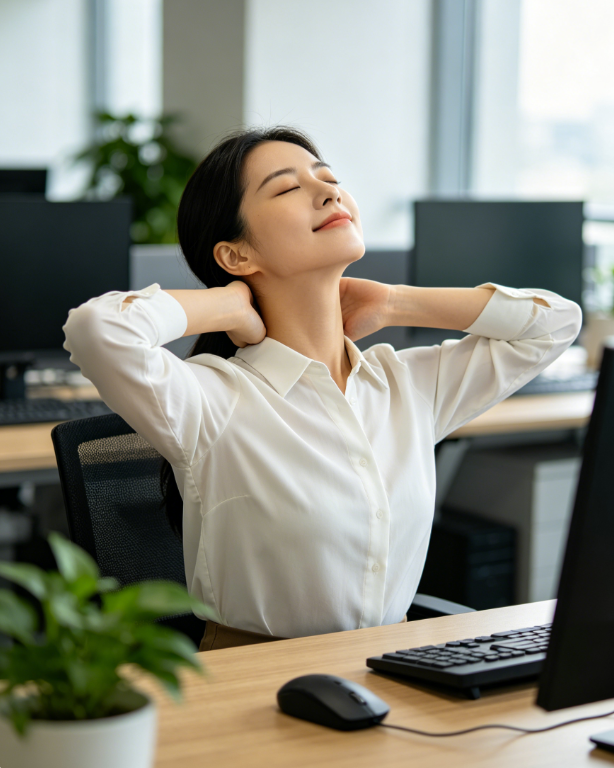
Body and mind are closely interconnected. Physical tension often accompanies mental anxiety. When feeling irritable or pressured, gentle physical adjustment can quickly relax the nervous system. Slow abdominal breathing, simple stretching, shoulder and neck relaxation, slow walking, and upright posture adjustment can effectively reduce tension hormones in the body, relieve brain fatigue, and calm chaotic thinking.
Even five to ten minutes of physical relaxation during busy intervals can interrupt the anxious thought cycle, help people return to a calm state, and improve mental clarity.
2. Healthy Emotional Release to Avoid Accumulation
Timely emotional release is the core of preventing mental pressure accumulation. When facing negative moods, people can choose appropriate ways to vent and疏导 pressure, such as talking sincerely with trusted family or friends, writing down inner troubles in a diary, listening to soft music, or temporarily staying away from stressful environments to quiet down alone.
Healthy release is not complaining or negative indulgence, but a reasonable way to empty inner pressure. Letting negative emotions flow naturally can reduce psychological burden and maintain mental flexibility and vitality.
3. Cognitive Adjustment to Stop Overthinking
Most inner anxiety comes from excessive thinking rather than real difficulties. Many people repeatedly dwell on past regrets, worry excessively about uncertain futures, and overestimate possible risks, resulting in continuous mental consumption.
Daily mindset training helps break negative thought loops. Individuals can learn to distinguish between controllable and uncontrollable things, focus on current actionable tasks, and stop unnecessary speculation. Accepting life’s imperfection and allowing temporary uncertainty can greatly reduce inner pressure and make the mind more peaceful and powerful.
4. Stable Daily Routines to Build Mental Security
Chaotic work and rest and irregular lifestyles will aggravate inner anxiety and instability. A regular daily rhythm provides the brain with stable psychological hints and enhances inner security. Maintaining fixed sleep hours, regular three meals, reasonable work and rest intervals, and appropriate daily leisure time can effectively stabilize emotions and reduce mood swings caused by life disorder.
For people in long-term stressful states, stable daily routines are the most reliable barrier for mental health.
5. Reduce Information Overload and Unnecessary Comparison
In daily life, excessive information browsing and social comparison are important invisible sources of anxiety. Frequent exposure to perfect life displays, competitive pressure, and negative information can easily make people feel inferior, confused, and anxious, resulting in mood imbalance.
Appropriately reducing meaningless information input, setting personal leisure boundaries, and focusing on one’s own life rhythm can reduce external interference, avoid unnecessary psychological pressure, and maintain inner peace and self-consistency.
6. Accumulate Small Positive Experiences to Reshape Mood
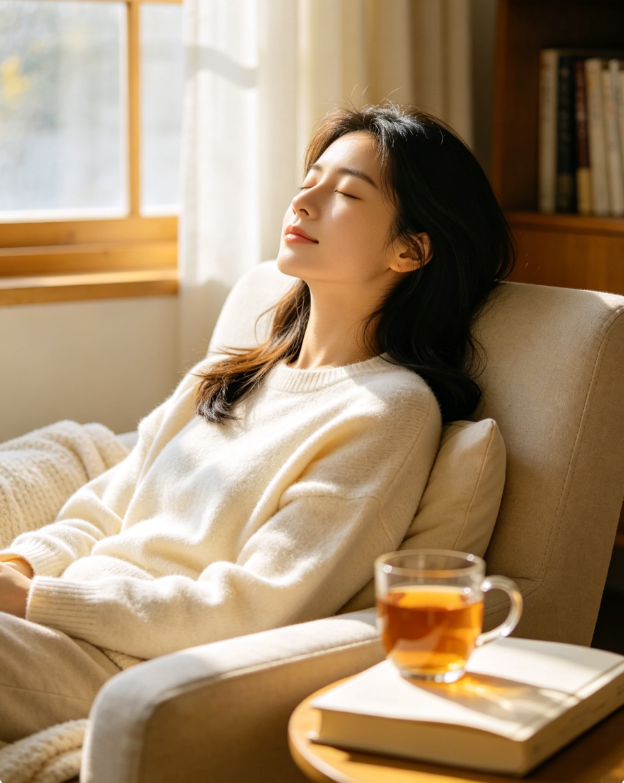
Long-term pressure makes people ignore the positive details in life. Lack of positive emotional feedback will gradually make the mind negative and tired. Actively discovering and creating small happiness in daily life, such as enjoying a delicious meal, feeling comfortable natural scenery, cultivating small hobbies, or resting quietly, can continuously accumulate positive psychological energy.
These trivial warm moments can offset negative pressure, repair mental fatigue, and enhance emotional resilience when facing setbacks and pressure.
Common Misconceptions About Mental Health and Emotion Regulation
Many people’s emotional problems are aggravated by incorrect cognitive habits. Correcting these misunderstandings helps achieve truly scientific emotional management.
Myth 1: Feeling negative means being mentally unhealthy. Temporary bad moods, anxiety, and irritability are normal psychological responses to pressure. Normal emotional fluctuations do not equal psychological disorders and can be improved through daily adjustment.
Myth 2: Strong people must never show negative emotions. True psychological maturity is not suppressing emotions, but being able to face, adjust, and recover from negative moods rationally. Appropriate emotional release is a sign of inner health.
Myth 3: Bad moods will disappear automatically with time. Unreleased and unadjusted negative emotions will be stored subconsciously, affecting personal mentality, behavior, and state for a long time.
Myth 4: Busy work can cure anxiety. Blind busyness only avoids emotional problems temporarily. Without inner adjustment, pressure will accumulate and eventually lead to more severe emotional breakdown.
Long-Term Benefits of Persistent Emotional Self-Adjustment
Adhering to daily mental health maintenance and emotional regulation can bring continuous positive changes to individuals. In the short term, scientific stress relief stabilizes daily mood, improves sleep quality, enhances concentration, and reduces mental fatigue. In the long run, it improves personal emotional resilience, enables individuals to face pressure and setbacks more calmly, and avoids chronic anxiety and negative states.
Stable mental health also optimizes interpersonal relationships, improves work and learning efficiency, and helps individuals maintain a positive, stable, and efficient life state. A peaceful inner state is the core of physical health, efficient work, and happy life.
Conclusion
Mental health is an indispensable part of personal wellness. In daily life, pressure and negative emotions are unavoidable, but individuals can master the initiative of mood adjustment through scientific methods. Gentle physical relaxation, timely emotional release, rational cognitive adjustment, stable living habits, reduced external interference, and accumulated positive emotions constitute a complete set of daily mental health maintenance systems.
Emotional regulation is not about pursuing perpetual positivity, but about building stable inner strength. By forming good daily psychological self-care habits, everyone can effectively relieve chronic stress, resolve negative moods, stop internal friction, and maintain long-term mental stability and physical and mental wellness.