Gold: A Timeless Symbol of Wealth, Beauty and Resilience
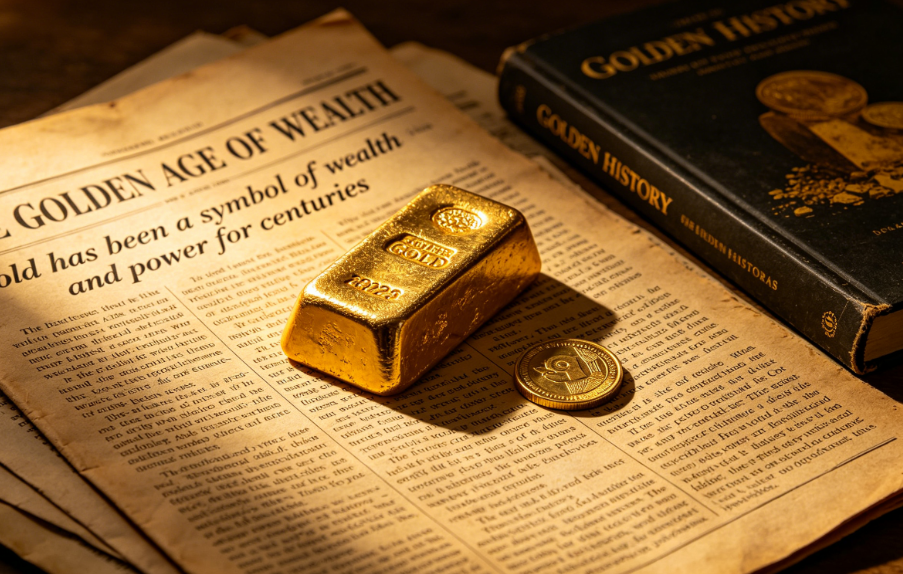
Gold is more than just a metal—it is a timeless icon that has fascinated humanity since the dawn of civilization. With its warm, luminous glow and unparalleled durability, it stands apart from all other elements, resisting corrosion, tarnish, and the test of time. For millennia, gold has been a universal language of wealth, power, and beauty, transcending cultures, continents, and eras to hold a special place in human hearts and history.
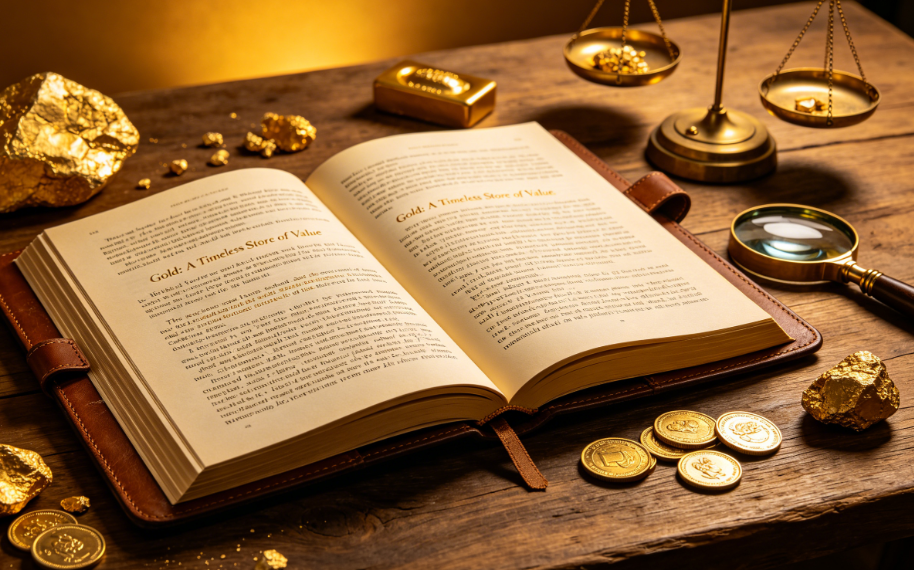
Formed deep within the Earth’s crust over millions of years, gold is one of the rarest and most precious natural resources. It is created through extreme geological processes—intense heat, immense pressure, and the slow crystallization of minerals. Most gold is found in underground veins or alluvial deposits, where it is often mixed with other rocks and metals, requiring careful mining and refining to reveal its pure, radiant form. Its scarcity, combined with its unique physical properties, is what makes gold so valuable and sought-after across the globe.
Throughout history, gold has played a central role in shaping human civilization. Ancient Egyptians revered gold as a divine metal, associating it with the sun god Ra and using it to craft elaborate burial masks, royal jewelry, and temple offerings. They believed gold was the “flesh of the gods,” a symbol of eternal life and immortality. In ancient Greece and Rome, gold was a mark of nobility and power, used to mint coins, adorn palaces, and reward heroes. In Asian cultures, gold has long been a symbol of prosperity, good fortune, and family legacy, exchanged during weddings, festivals, and important life events.
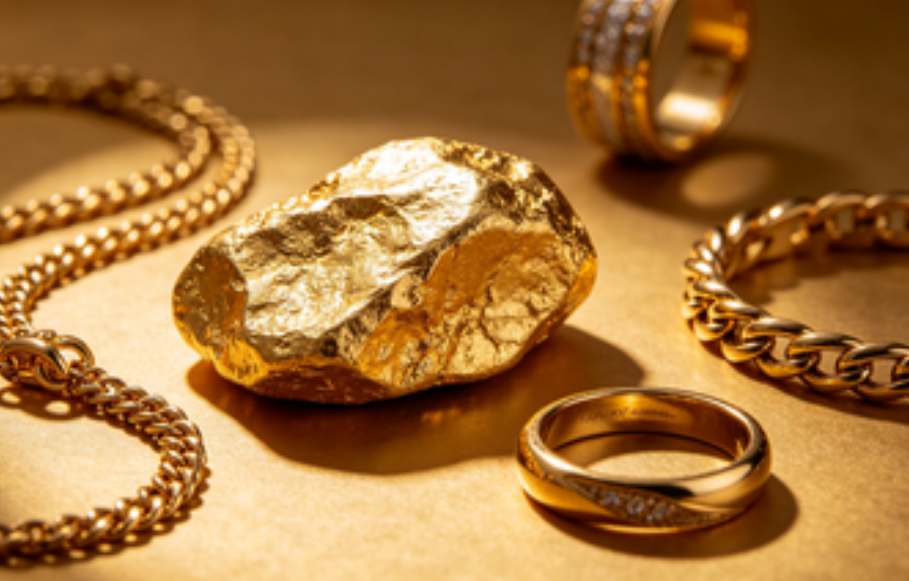
In the modern world, gold’s allure remains as strong as ever, with uses that span beyond symbolism and decoration. Its exceptional conductivity and resistance to corrosion make it indispensable in the electronics industry, where it is used in microchips, smartphones, and medical devices. It is also a critical component in aerospace technology, dentistry, and even renewable energy systems. Of course, gold is still most beloved for its role in jewelry—from delicate necklaces and elegant bracelets to timeless wedding bands, it adds a touch of sophistication and warmth to any ensemble.
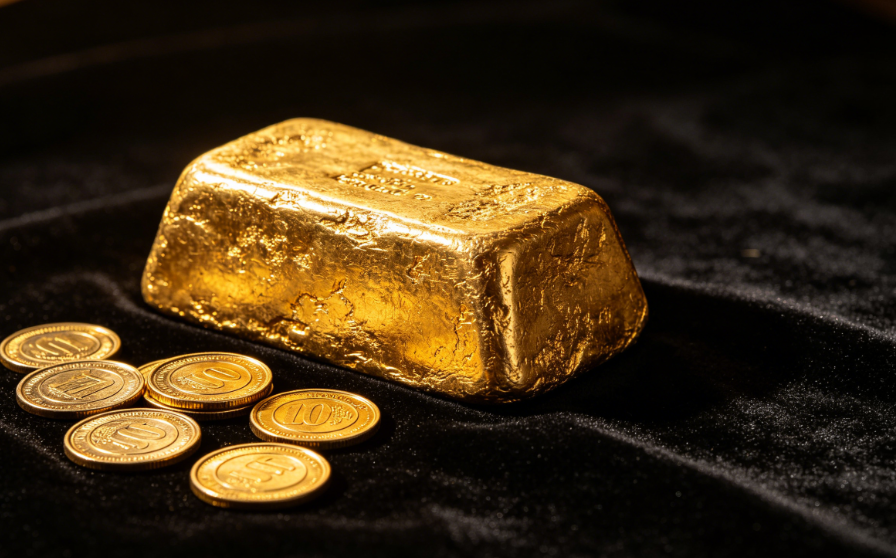
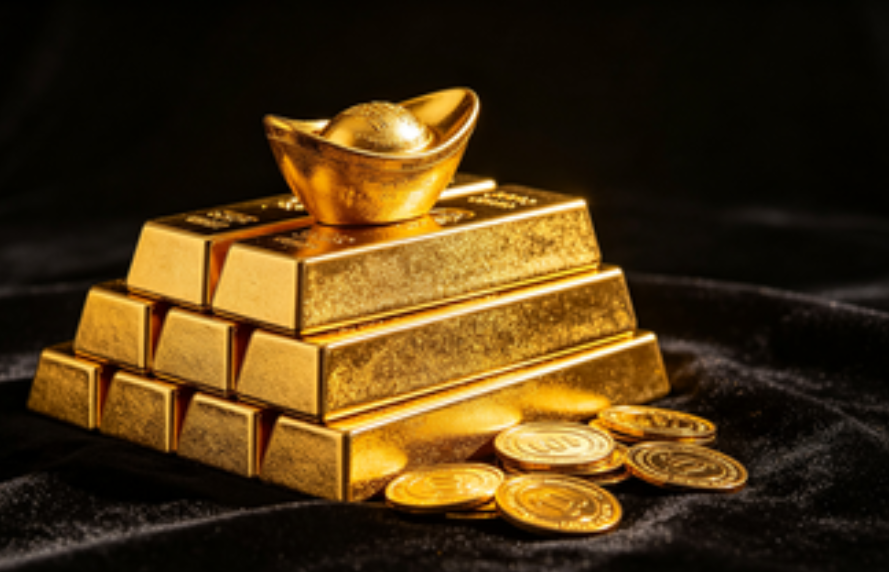
Beyond its practical uses, gold is a trusted investment and a “safe haven” for investors worldwide. When economic uncertainty looms, when inflation erodes the value of paper currency, or when geopolitical tensions rise, gold retains its value, offering stability and security. Unlike stocks or bonds, which are tied to market fluctuations and government policies, gold is a tangible asset that holds its purchasing power over time. Investors can choose to own physical gold (such as bars or coins), invest in gold ETFs, or even purchase gold jewelry as a blend of beauty and investment.
The value of gold is influenced by a range of factors, including global economic conditions, interest rates, and supply and demand. When interest rates are low, gold becomes more attractive as an investment, since it does not generate interest but retains its value. Geopolitical conflicts and market volatility also drive up demand for gold, as investors seek a reliable store of wealth. While the price of gold may fluctuate in the short term, its long-term value has remained consistent, making it a timeless investment choice.
What makes gold truly extraordinary is its ability to adapt to changing times while retaining its core appeal. It has been a symbol of wealth for kings and commoners, a tool for industry and innovation, and a cherished heirloom passed down through families. In a world of constant change, gold stands as a steady, unwavering presence—a reminder of nature’s beauty, human ingenuity, and the enduring desire to hold onto something precious. It is a metal that will continue to shine, inspire, and captivate for generations to come.