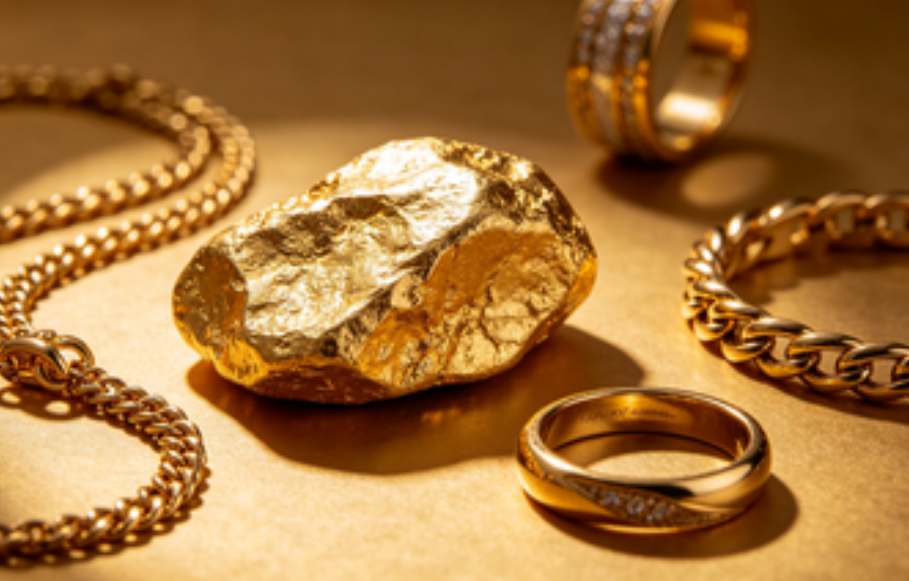
Gold: Nature’s Timeless Precious Metal
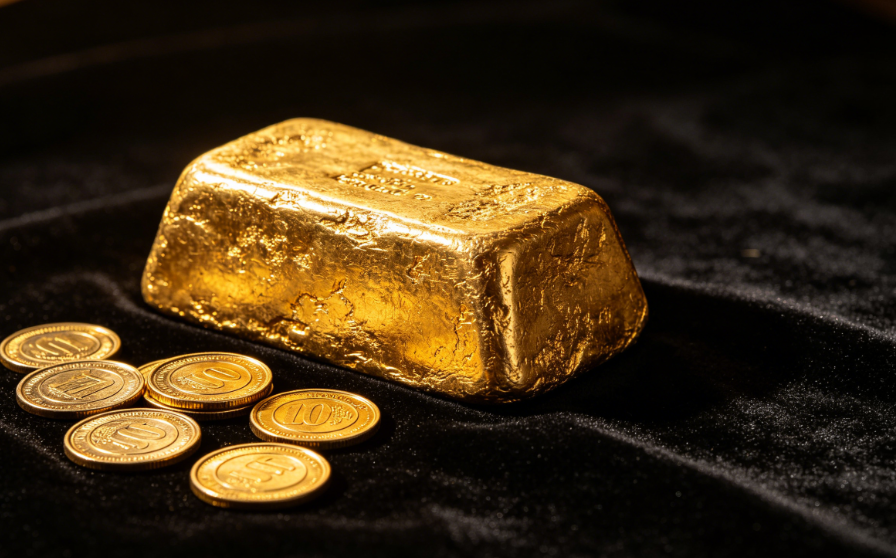
Gold is a rare, radiant metal that has held a special place in human civilization for thousands of years. Its warm, golden luster and remarkable durability set it apart from all other elements, making it a universal symbol of wealth, beauty, and stability. Unlike many metals that rust, tarnish, or degrade over time, gold remains unchanged—retaining its shine and integrity even after centuries, a testament to its unique chemical properties.
Naturally occurring in the Earth’s crust, gold is formed through millions of years of intense geological activity. It originates from the extreme heat and pressure deep within the planet, where minerals crystallize slowly to form this precious metal. Gold is often found in underground veins, riverbeds, or mixed with other ores, and extracting it requires careful mining and refining to separate it from impurities. Its scarcity and the labor required to obtain it contribute greatly to its enduring value.
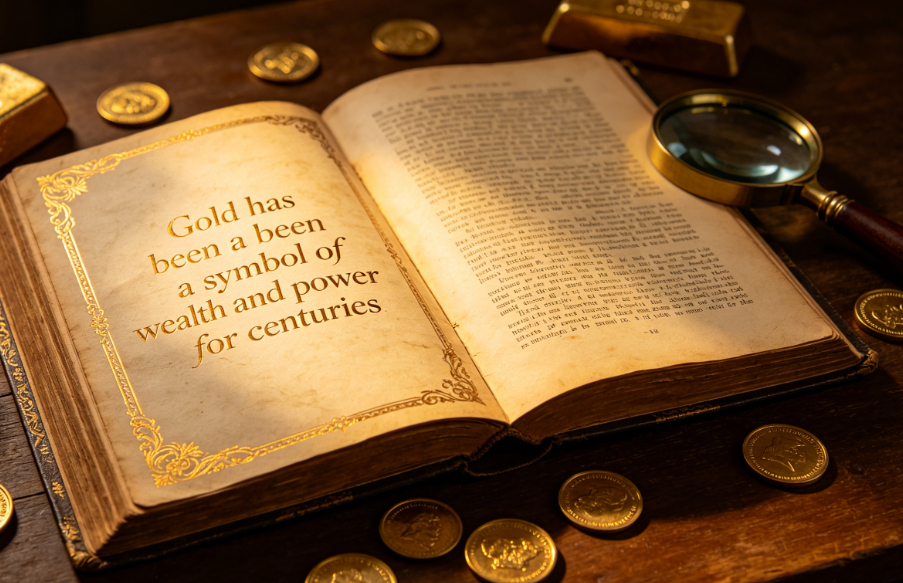
Throughout history, gold has played a pivotal role in cultures across the globe. Ancient civilizations revered gold as a divine gift: the Egyptians used it to craft royal burial masks, temple decorations, and jewelry, believing it was the “flesh of the gods” and a symbol of eternal life. The Romans minted gold coins to facilitate trade and assert their imperial power, while in Asian cultures, gold has long been a symbol of prosperity and good fortune, exchanged during weddings, festivals, and family gatherings.
In the modern era, gold’s significance extends far beyond symbolism. Its exceptional conductivity, malleability, and resistance to corrosion make it indispensable in various industries. It is a key component in electronics, used in microchips, smartphones, and medical devices, where its reliability is critical. Gold is also widely used in dentistry for fillings and crowns due to its biocompatibility, and in aerospace technology for its ability to withstand extreme conditions.
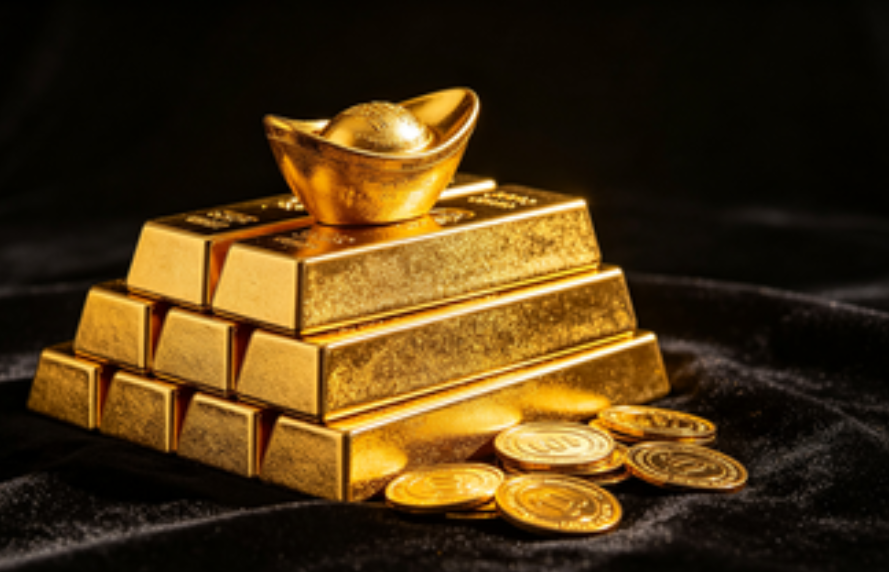
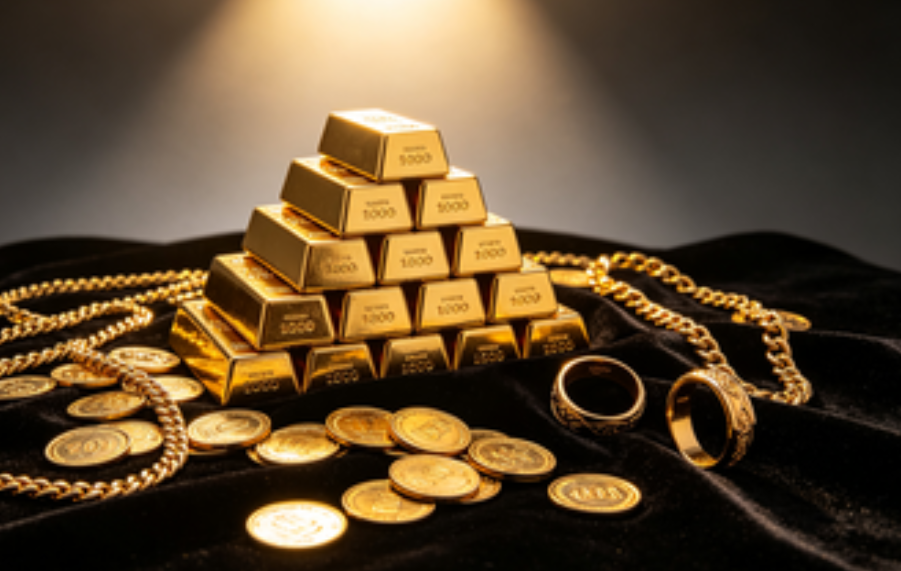
Gold is also a trusted investment and a “safe haven” for people worldwide. When economic uncertainty, inflation, or geopolitical tensions arise, gold retains its value, offering stability when other investments fluctuate. Investors can own gold in various forms, including physical bars, coins, or gold-backed exchange-traded funds (ETFs), making it accessible to both casual and serious investors.
Beyond its practical and financial value, gold holds deep emotional meaning for many. It is a symbol of love and commitment, seen in wedding bands passed down through generations. It is a mark of achievement, gifted to celebrate milestones and success. And it is a connection to the past, linking modern societies to the ancient civilizations that first cherished this remarkable metal.
Gold’s enduring appeal lies in its ability to blend beauty, utility, and permanence. It is a metal that has been cherished by kings and commoners alike, a symbol that transcends time and cultural boundaries. As the world evolves, gold will continue to shine as a reminder of nature’s artistry, human ingenuity, and the timeless desire to hold onto something precious.