Gold: The Timeless Metal of Wealth, Beauty and Legacy
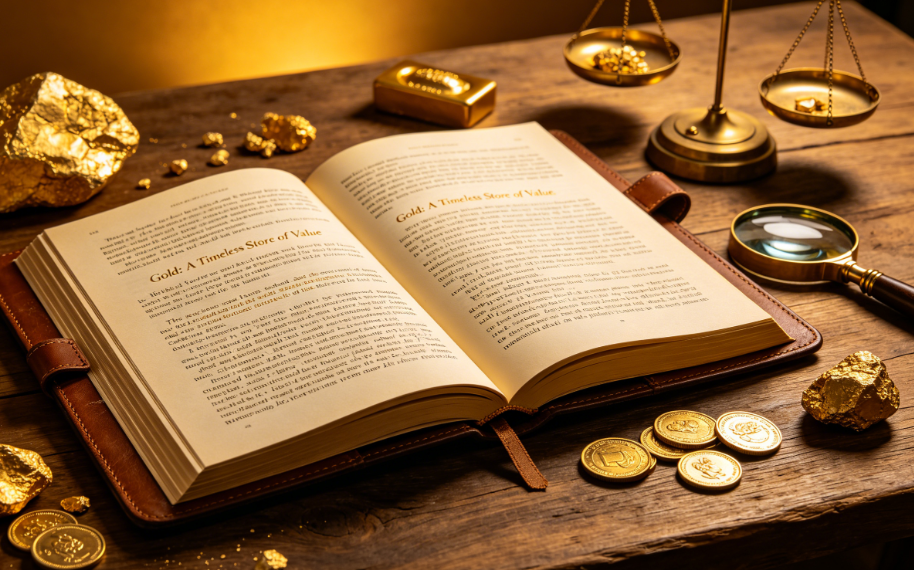
Gold is a metal that transcends time and culture, captivating humans for over 6,000 years with its warm, radiant luster and unwavering durability. Unlike other metals that corrode, tarnish, or fade, gold remains unchanged—retaining its brilliant glow even after centuries of wear, making it a universal symbol of permanence, wealth, and beauty. From ancient civilizations to modern societies, this precious metal has played a pivotal role in human history, serving as a medium of exchange, a symbol of power, and a cherished treasure passed down through generations.
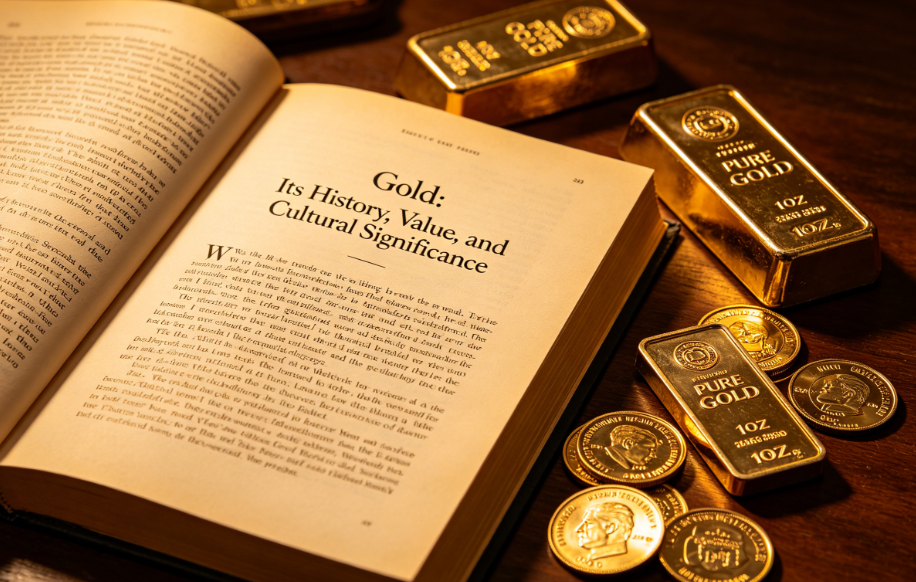
Naturally occurring in the Earth’s crust, gold is one of the rarest metals on the planet, formed through millions of years of intense geological activity. It is often found in underground veins, riverbeds, or mixed with other minerals, requiring careful mining and refining to extract its pure form. Its scarcity is a key factor in its enduring value—there is only a limited supply of gold in the world, and its extraction is both labor-intensive and costly, ensuring that it remains a highly sought-after commodity.
Throughout history, gold has been revered by civilizations across the globe. Ancient Egyptians viewed gold as the “flesh of the gods,” using it to craft royal burial masks, jewelry, and temple decorations, believing it would guide the deceased to the afterlife. In ancient Rome, gold coins became the backbone of the empire’s economy, facilitating trade and symbolizing the strength of the state. In Asian cultures, gold has long been a symbol of prosperity and good fortune, worn during festivals and important ceremonies, and gifted as a sign of love and respect. Even in the Americas, ancient civilizations like the Incas crafted intricate gold artifacts, considering the metal a sacred symbol of the sun.
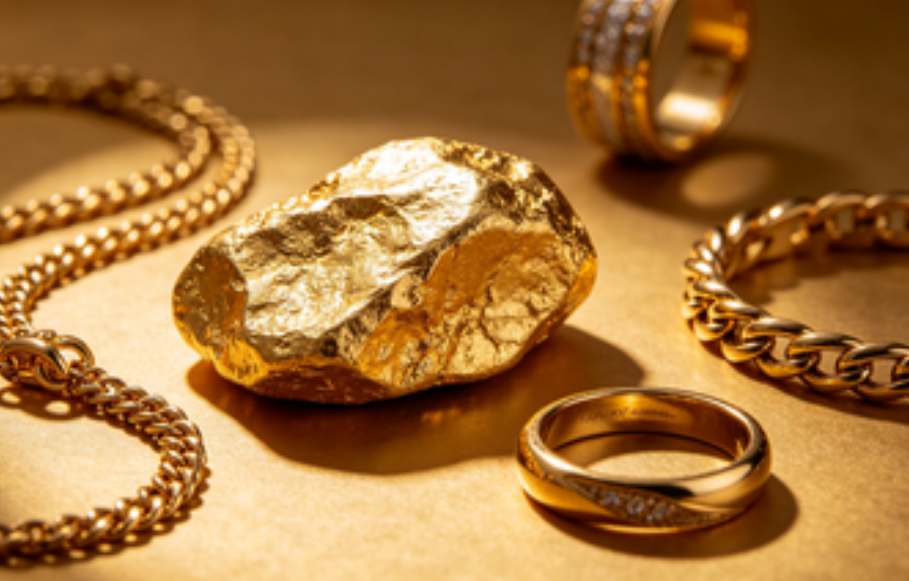
In the modern world, gold’s appeal extends far beyond its historical and symbolic value. It is a versatile metal with a wide range of practical uses. Due to its excellent conductivity and resistance to corrosion, gold is essential in the electronics industry—used in smartphones, computers, medical devices, and even spacecraft. It is also a staple in dentistry, where its biocompatibility and durability make it ideal for fillings, crowns, and bridges. Of course, gold remains most famous for its use in jewelry: from simple gold bands to elaborate necklaces and earrings, it is a timeless accessory that complements every style and occasion.
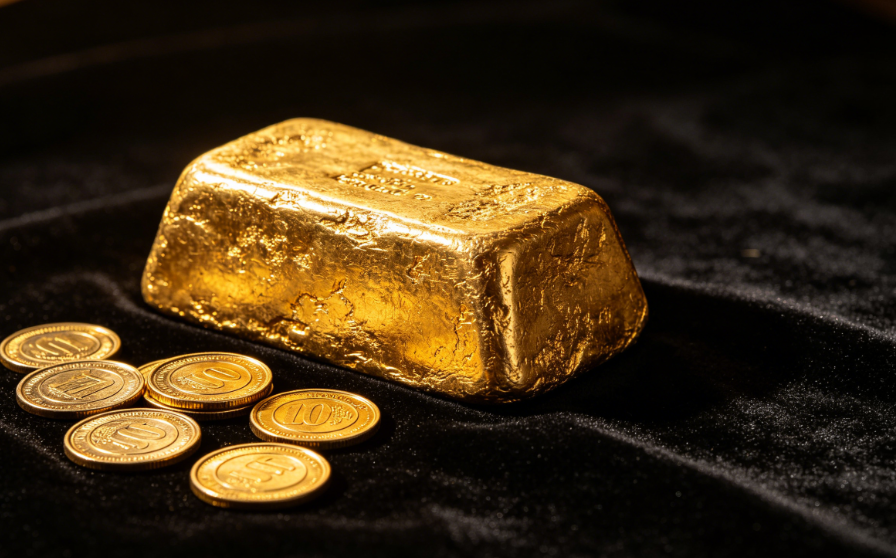
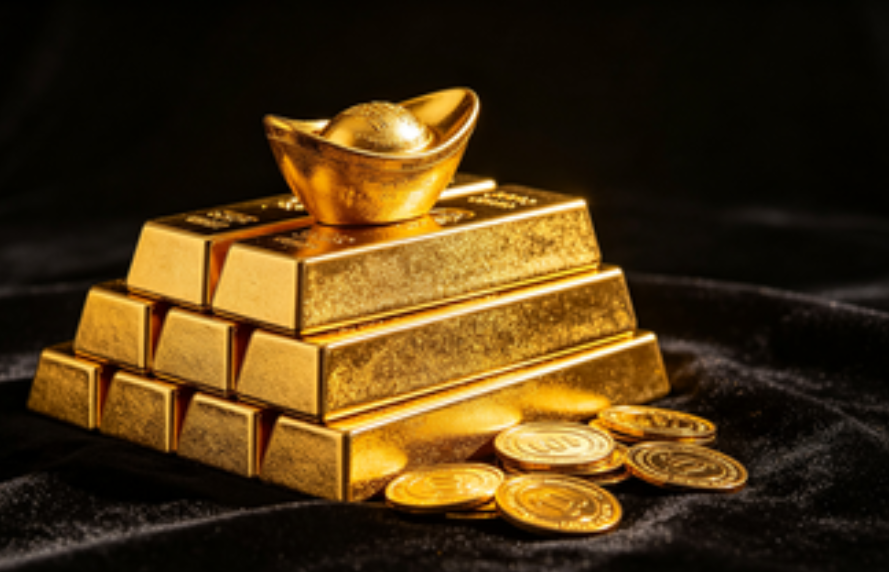
One of gold’s most enduring roles is as a “safe haven” investment. In times of economic uncertainty, inflation, or geopolitical tension, investors turn to gold to protect their wealth. Unlike paper currency or stocks, which can fluctuate drastically in value, gold has a long history of retaining its purchasing power. It is a tangible asset that is not tied to any single country or government, making it a reliable store of value. Investing in gold is accessible to everyone, whether through physical gold (bars, coins), gold exchange-traded funds (ETFs), or gold jewelry.
The price of gold is influenced by a variety of factors, including global economic conditions, interest rates, and supply and demand. When inflation rises, the value of paper money decreases, making gold more attractive. Geopolitical conflicts and market volatility also drive up demand for gold, as investors seek stability. Additionally, changes in gold mining production and central bank policies can impact its price, but its long-term value has remained consistent throughout history.
Gold’s timeless allure lies in its ability to blend beauty, utility, and value. It is a metal that has been cherished by kings and commoners alike, a symbol of success and prosperity, and a reliable investment in uncertain times. Whether worn as jewelry, used in industry, or held as an asset, gold continues to play an important role in our lives. It is a testament to nature’s craftsmanship and humanity’s enduring fascination with beauty and permanence—a treasure that will continue to shine for generations to come.