Gold: The Timeless Metal of Wealth, Beauty and Endurance
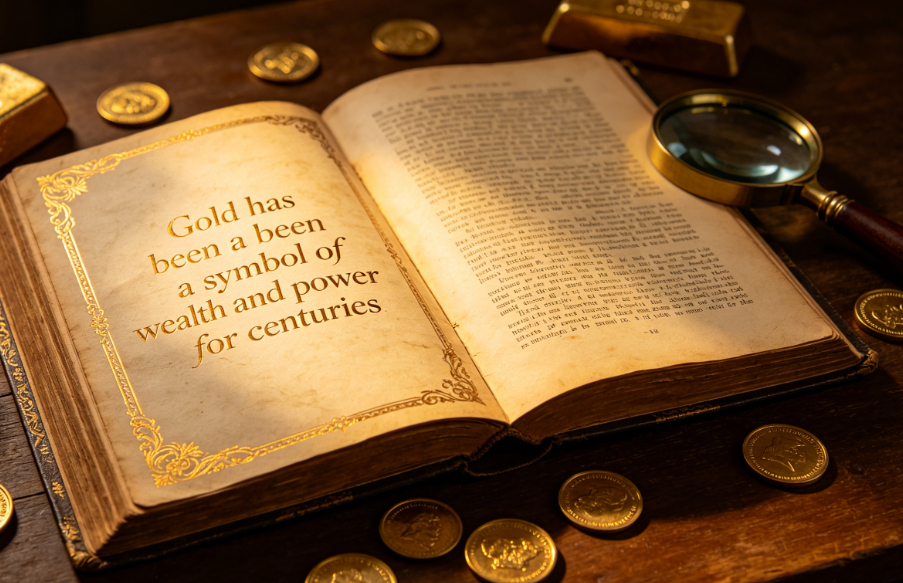
Gold is far more than a precious metal—it is a symbol of permanence, wealth, and human aspiration that has transcended civilizations, cultures, and time. For thousands of years, its warm, luminous glow and unrivaled durability have captivated humanity, making it a universal icon of value, power, and beauty. Unlike other metals that tarnish, corrode, or fade, gold remains steadfast—retaining its luster and integrity through the ages, a testament to its unique chemical and physical properties.
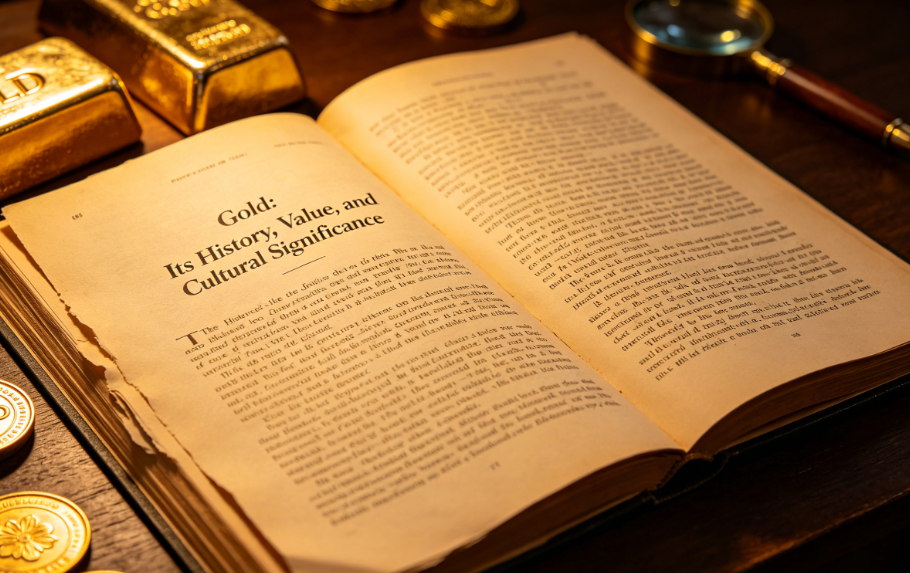
Formed deep within the Earth’s crust over millions of years, gold is a product of extreme geological forces: intense heat, immense pressure, and the slow crystallization of minerals. It is one of the rarest natural resources, often found in underground veins, alluvial deposits, or mixed with other metals and rocks. Extracting and refining gold requires meticulous care—miners and artisans work tirelessly to uncover its pure form, ensuring that its natural brilliance is preserved. This scarcity, combined with its unparalleled beauty, is what makes gold one of the most sought-after commodities in the world.
Throughout history, gold has played a pivotal role in shaping human civilization. Ancient civilizations, from the Egyptians to the Romans, revered gold as a divine metal. The Egyptians crafted elaborate gold masks, jewelry, and temple offerings, believing it to be the “flesh of the gods” and a symbol of eternal life. The Romans used gold to mint coins, solidifying its role as a medium of exchange and a marker of power and status. In Asian cultures, gold has long been associated with prosperity, good fortune, and family legacy—exchanged during weddings, festivals, and important life events as a symbol of love and abundance.
In the modern world, gold’s significance extends far beyond symbolism. Its exceptional conductivity, resistance to corrosion, and malleability make it indispensable in various industries. It is a critical component in electronics, used in microchips, smartphones, and medical devices, where its reliability and durability are essential. Gold is also used in dentistry, aerospace technology, and renewable energy systems, proving its versatility and practical value.
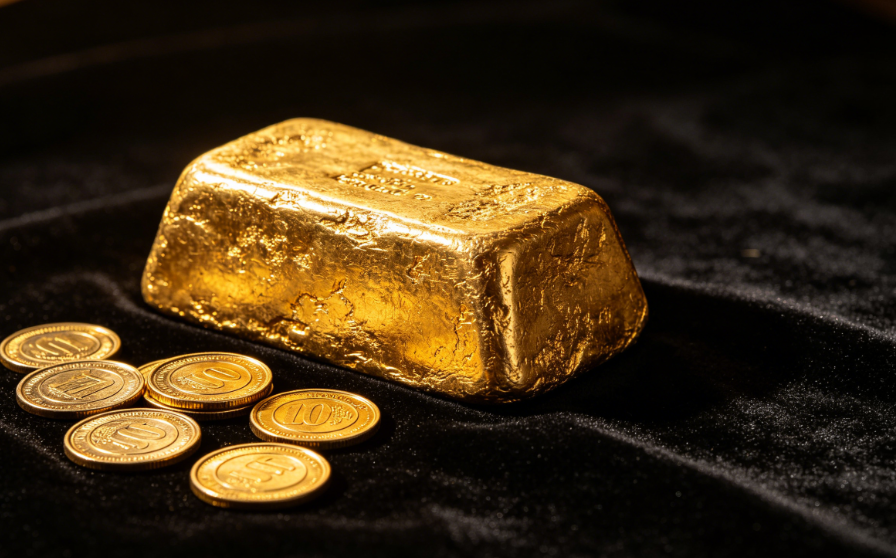
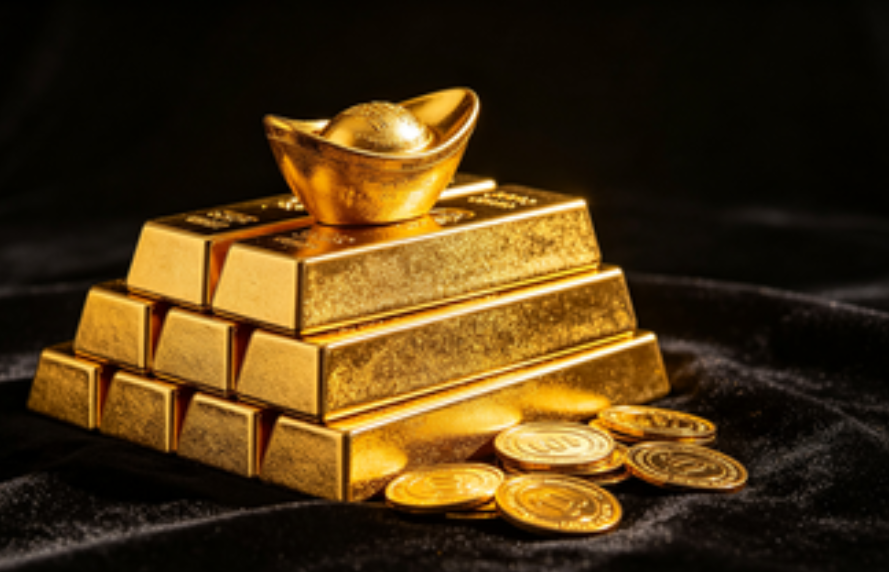
For investors, gold is a trusted “safe haven” asset. In times of economic uncertainty, inflation, or geopolitical tension, gold retains its value, offering stability when other investments fluctuate. Investors can own gold in various forms—physical bars and coins, gold ETFs, or even jewelry—that blend aesthetic appeal with long-term value. While the price of gold may vary in the short term, its long-term worth has remained consistent, making it a timeless choice for preserving wealth.
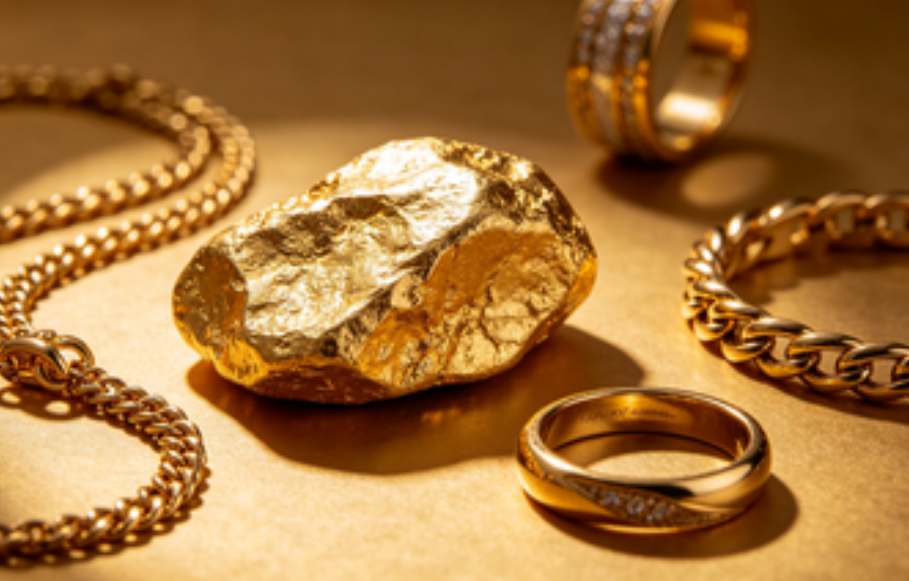
Beyond its practical and financial value, gold holds a special place in human emotion. It is a symbol of love, commitment, and legacy—passed down through generations as heirlooms, worn as a mark of style and elegance, and cherished as a reminder of life’s most meaningful moments. Whether crafted into a delicate necklace, a timeless wedding band, or a polished bar of pure gold, it carries with it the weight of history, the beauty of nature, and the promise of permanence.
Gold’s enduring appeal lies in its ability to adapt to changing times while staying true to its essence. It is a metal that bridges the past and the present—a reminder of humanity’s fascination with beauty, wealth, and longevity. As the world evolves, gold will continue to shine as a symbol of resilience, value, and the timeless pursuit of something precious.