Gold: Beyond Wealth—Its Hidden Roles in History, Technology, and Culture
When most people think of gold, they picture luxury jewelry, gleaming bullion bars, or a safe haven for investment. But gold is far more than just a symbol of wealth—it is a metal with hidden roles that have shaped human history, driven technological innovation, and woven itself into the fabric of cultures around the world. For millennia, gold has been more than an asset; it has been a tool, a symbol, and a catalyst for change. This article takes a fresh look at gold, exploring its lesser-known impacts, its evolving role in modern technology, and why it continues to captivate humanity in ways no other metal can.
Gold in History: More Than Just Treasure
Gold’s place in history is often reduced to tales of kings and treasure, but its influence extends far beyond royal hoards. In ancient civilizations, gold was a unifying force—used to create currency that facilitated trade across vast regions, linking distant cultures and economies. The Lydians, in what is now modern-day Turkey, were the first to mint gold coins around 600 BCE, a innovation that revolutionized commerce and laid the groundwork for modern monetary systems.
Gold also played a critical role in art and religion. Ancient Egyptians used gold leaf to decorate temples and tombs, believing it to be a bridge between the mortal world and the gods. In medieval Europe, gold was used to illuminate manuscripts, symbolizing the sacred nature of knowledge and faith. Even in the New World, civilizations like the Aztecs and Incas revered gold as a symbol of the sun, using it to craft intricate artifacts that reflected their cultural beliefs. Gold was not just wealth—it was a language, communicating power, spirituality, and identity across time and cultures.
Gold in Technology: The Unsung Hero of Modern Innovation
While gold’s beauty and value are well-documented, its role in modern technology is often overlooked. Its unique physical properties—exceptional conductivity, resistance to corrosion, and malleability—make it irreplaceable in countless technologies that power our daily lives. Without gold, many of the devices we rely on would not exist or would perform far less effectively.
- Electronics and Computing: Gold is used in the microchips and circuit boards of smartphones, laptops, and servers. Its ability to conduct electricity efficiently and resist corrosion ensures that these devices work reliably for years. A single smartphone contains about 0.03 grams of gold—small in quantity, but critical to its functionality.
- Space Exploration: NASA and other space agencies use gold to coat spacecraft and satellites. Gold’s ability to reflect infrared radiation and withstand extreme temperatures protects sensitive equipment from the harsh environment of space. The Hubble Space Telescope, for example, uses gold-coated mirrors to capture clear images of the universe.
- Medical Technology: Gold is used in a range of medical devices, from pacemakers to diagnostic tools. Its biocompatibility—its ability to coexist safely with the human body—makes it ideal for implants and surgical instruments. Gold nanoparticles are also used in cutting-edge cancer treatments, where they help target and destroy cancer cells with precision.
- Renewable Energy: As the world shifts to clean energy, gold plays a key role in solar panels. It enhances the efficiency of energy conversion, allowing solar panels to generate more electricity from sunlight. This makes renewable energy more sustainable and cost-effective, helping to combat climate change.
Gold as an Investment: A Timeless Choice with Modern Appeal
Of course, gold’s role as an investment remains as important as ever. In an era of market volatility, inflation, and geopolitical uncertainty, gold continues to be a reliable safe haven. Its value is not tied to any single country, company, or currency, making it a hedge against economic instability.
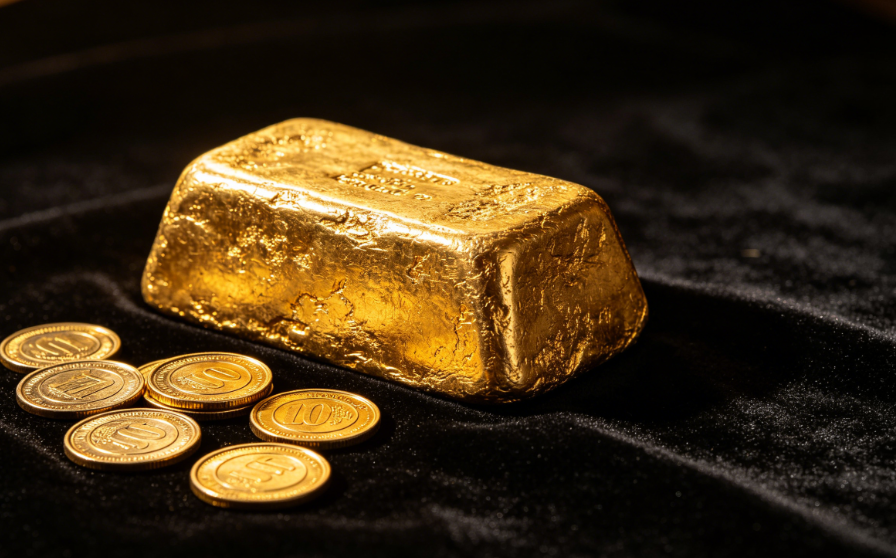
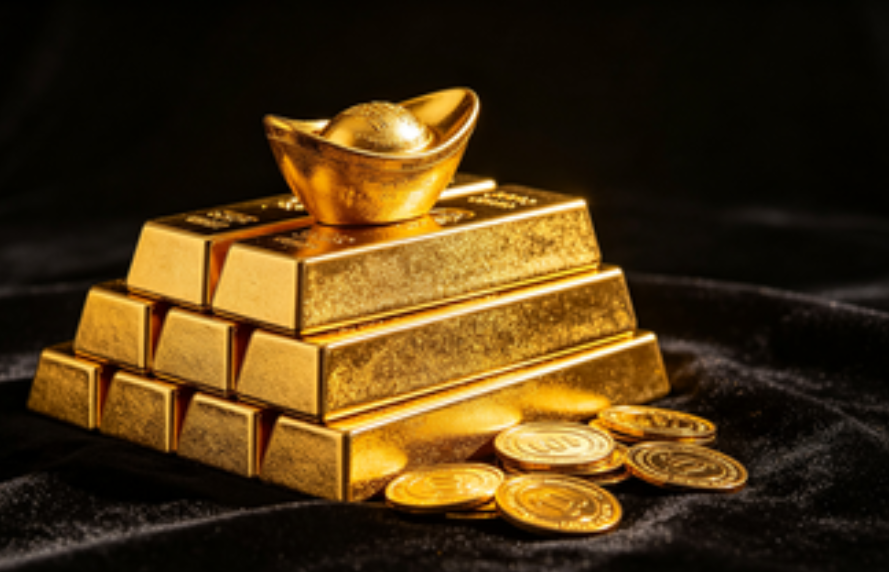
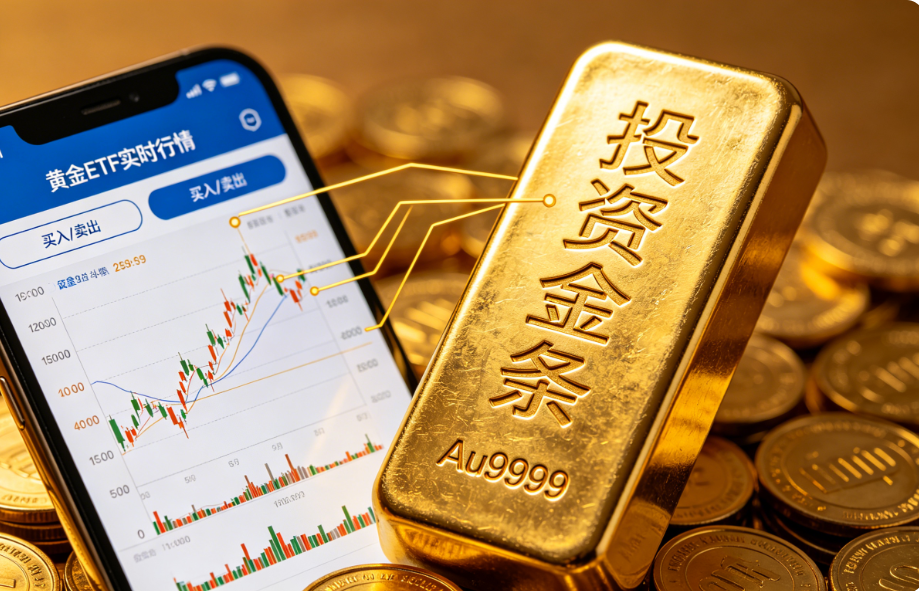
What makes gold a unique investment is its duality: it is both a tangible asset and a flexible one. Investors can choose to own physical gold (coins, bars) for direct ownership, or opt for more convenient options like gold ETFs (Exchange-Traded Funds) that track gold prices without the need for storage. Gold’s low correlation with traditional assets like stocks and bonds also makes it an excellent tool for portfolio diversification, reducing overall risk and providing stability during market downturns.
For beginners, gold is accessible and easy to understand. You don’t need a large budget to get started—many gold ETFs allow investments of $50 or less, and small gold coins are affordable and easy to buy. The key is to take a long-term approach, as gold’s value grows steadily over time, making it a reliable way to preserve wealth for the future.
Gold in Culture: A Universal Symbol of Connection
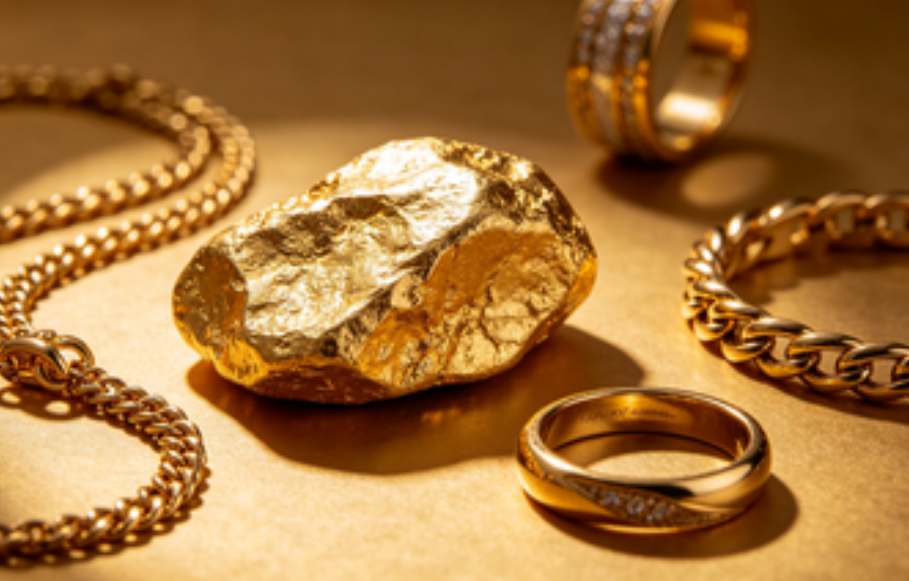
Beyond its practical roles, gold holds a special place in cultures around the world, serving as a symbol of love, celebration, and heritage. In many cultures, gold jewelry is given as a gift for weddings, birthdays, and other important milestones, representing enduring love and prosperity. In India, gold is a central part of weddings and festivals, with families passing down gold jewelry from generation to generation as a form of wealth and tradition.
Gold also transcends cultural boundaries, serving as a universal symbol of achievement and excellence. We award gold medals to athletes, use gold to signify top quality (think “gold standard”), and associate gold with success and prosperity. This universal appeal is what makes gold more than just a metal—it is a cultural touchstone that connects people across continents and generations.
Gold’s Enduring Legacy
Gold’s story is a story of human ingenuity, culture, and resilience. It has been a tool for trade, a symbol of faith, a driver of technology, and a safe haven for wealth. In a world that is constantly changing, gold remains a constant—reliable, versatile, and timeless. It is not just a precious metal; it is a reflection of our shared history and our aspirations for the future.
Whether you admire gold for its beauty, rely on it for its technological applications, or invest in it for its stability, there is no denying its unique place in our world. Gold’s enduring appeal lies in its ability to adapt to our changing needs while remaining true to its core value—a value that has stood the test of time and will continue to shine for centuries to come.