Gold: A Precious Metal That Bridges Past, Present, and Future
Gold is more than just a valuable commodity—it is a timeless bridge between human history, modern innovation, and future security. For thousands of years, this lustrous metal has captivated civilizations, serving as a symbol of power, a medium of exchange, and a source of inspiration. In today’s fast-paced world, where digital assets and complex financial instruments dominate, gold retains its unique allure, offering stability, utility, and a connection to our shared past. This article explores how gold has shaped human progress, its indispensable role in modern society, and why it remains a cornerstone of smart investing for generations to come.
Gold in Ancient Civilizations: The Foundation of Wealth and Culture
The story of gold begins in the mists of ancient history, with evidence of its use dating back to 3000 BCE. Ancient civilizations across the globe recognized gold’s rare beauty and durability, integrating it into their cultures, economies, and spiritual practices. The ancient Egyptians mined gold from the Nile River and the Eastern Desert, crafting it into elaborate jewelry, royal regalia, and burial treasures. They revered gold as the “metal of the gods,” associating it with the sun and eternal life, and pharaohs were often buried with gold to ensure their prosperity in the afterlife.
In Mesopotamia, gold became the first standardized medium of exchange, facilitating trade between city-states and laying the groundwork for modern commerce. The Greeks and Romans further elevated gold’s status, minting gold coins to unify their empires and fund their armies. These coins, stamped with the faces of rulers, became a symbol of authority and stability, ensuring that gold’s value transcended regional boundaries. For ancient civilizations, gold was not just wealth—it was a symbol of order, power, and cultural identity.
Gold in the Modern World: Utility Beyond Luxury
While gold’s historical and cultural significance is undeniable, its modern utility is what makes it truly irreplaceable. Its unique physical properties—exceptional conductivity, resistance to corrosion, and malleability—make it a critical component in industries that drive our daily lives. Unlike many other metals, gold’s properties remain consistent even in extreme conditions, making it indispensable for cutting-edge technologies.
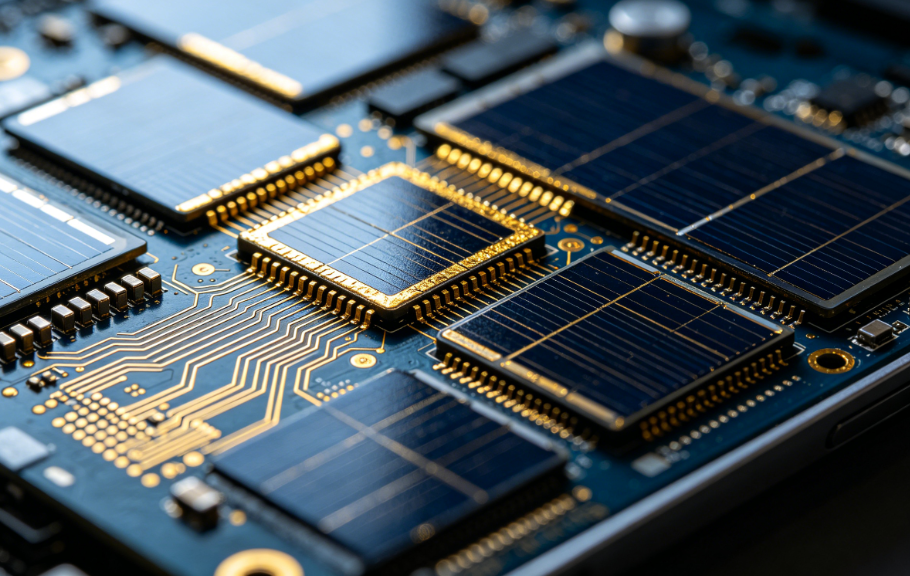
- Electronics and Digital Innovation: Gold is a key component in smartphones, laptops, semiconductors, and data centers. Its ability to conduct electricity efficiently and resist corrosion ensures that these devices operate reliably, even with constant use. As the world becomes more digital, the demand for gold in electronics continues to grow, powering everything from 5G networks to artificial intelligence systems.
- Healthcare and Medical Advancements: Gold’s biocompatibility—its ability to coexist safely with the human body—makes it a vital material in medical applications. It is used in surgical instruments, dental implants, and diagnostic tools, and gold nanoparticles are revolutionizing cancer treatment by targeting and destroying cancer cells with unprecedented precision. Gold’s role in healthcare is not just practical; it is life-saving.
- Renewable Energy and Sustainability: As the global push for clean energy intensifies, gold plays a crucial role in solar panels and wind turbines. It enhances the efficiency of energy conversion, allowing renewable technologies to generate more power while reducing their environmental impact. Gold’s durability also ensures that these systems last longer, making clean energy more accessible and cost-effective.
Gold as an Investment: Stability in an Uncertain World
In an era of market volatility, inflation, and geopolitical tension, gold remains one of the most reliable investment assets. Its value is not tied to any single country, company, or currency, making it a powerful hedge against economic instability. Unlike stocks or bonds, which can fluctuate wildly based on market sentiment or corporate performance, gold’s value is rooted in its scarcity and universal demand.
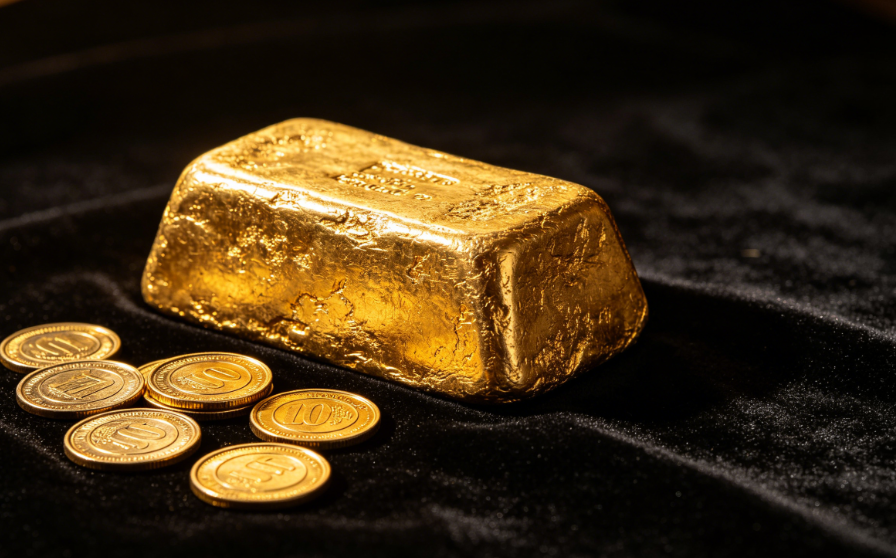
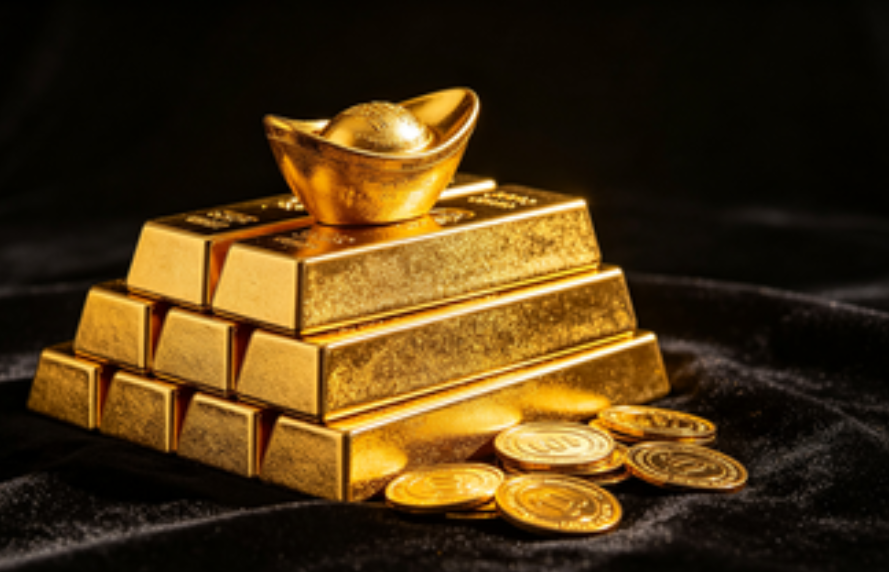
One of the greatest advantages of gold is its accessibility. Investors of all backgrounds can add gold to their portfolios, regardless of budget or experience. For beginners, gold ETFs (Exchange-Traded Funds) offer a convenient, low-cost way to gain exposure to gold prices without the need for storage. These funds trade on stock exchanges like individual stocks and track the price of gold, making them easy to buy and sell. For those who prefer tangible assets, small gold coins and bars are affordable and easy to acquire, offering direct ownership and peace of mind.
Gold also serves as a powerful tool for portfolio diversification. Its low correlation with traditional assets like stocks and bonds means that when other investments decline, gold often holds its value or even increases, reducing overall portfolio risk. This stability makes gold an essential component of any well-balanced investment strategy, whether you’re saving for retirement, protecting your wealth from inflation, or planning for the future.
Gold’s Future: A Metal for Tomorrow’s Challenges
As the world faces new challenges—from climate change to technological disruption—gold’s role will only grow more important. Its use in renewable energy and advanced technologies will drive long-term demand, while its status as a safe haven will continue to attract investors seeking stability. Gold’s scarcity and durability ensure that it will remain a valuable asset for generations to come, bridging the gap between our past and our future.
Gold’s enduring appeal lies in its ability to adapt to changing times while retaining its core value. It has been a symbol of wealth for ancient kings, a tool for modern innovation, and a safe haven for everyday investors. In a world that is constantly evolving, gold remains a constant—a precious metal that connects us to our history, powers our present, and secures our future.