Gold: The Timeless Precious Metal That Stands the Test of Time
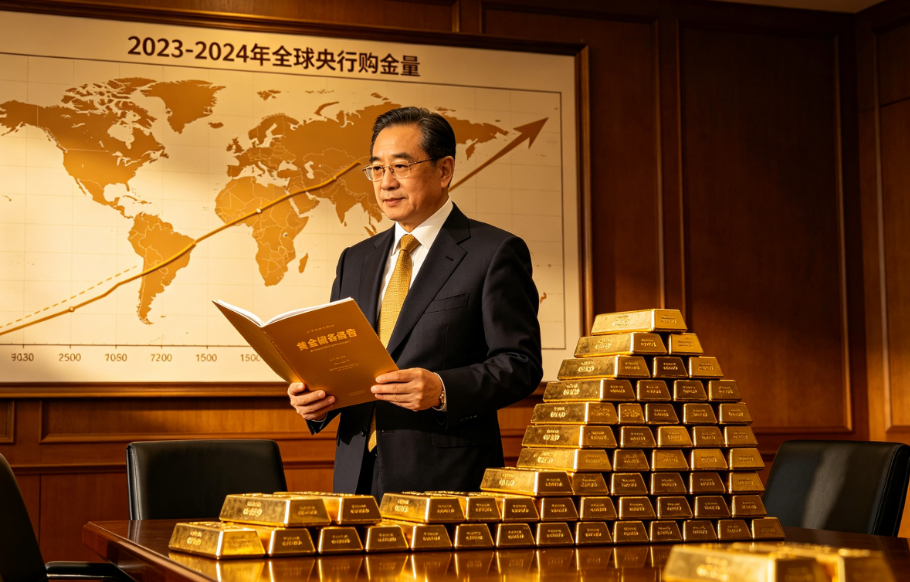
Since the dawn of human civilization, gold has held a special place in our hearts and wallets. More than just a shiny metal, it is a symbol of wealth, stability, and trust that has transcended cultures, economies, and centuries. From ancient kings hoarding gold in their treasuries to modern investors adding it to their portfolios, gold’s allure remains unshakable. What makes this metal so special? Why has it remained a valuable asset even in the age of digital currencies and complex financial systems? This article explores the history, properties, and practical value of gold, offering a clear and accessible overview for anyone interested in understanding this timeless precious metal.
A Brief History of Gold: From Ancient Civilizations to Modern Times
Gold’s journey as a valuable asset began over 5,000 years ago. The ancient Egyptians were among the first to recognize its beauty and rarity, using it to craft jewelry, ceremonial artifacts, and even burial treasures for pharaohs. They believed gold was the flesh of the sun god Ra, a symbol of immortality and divine power. Across the ancient world, gold quickly became a medium of exchange: Mesopotamian merchants used it to trade goods, Greek city-states minted gold coins to fund their armies, and Roman emperors relied on it to unify their vast empire.
As civilizations evolved, gold’s role only grew. During the Middle Ages, it became a status symbol for nobility, who used it to display their power and wealth. The Age of Exploration in the 15th and 16th centuries brought a surge in global gold supply, as explorers discovered rich deposits in the Americas, Africa, and Asia. This influx of gold reshaped global trade and laid the groundwork for the gold standard, a system where national currencies were backed by physical gold, ensuring stability in international transactions until the 20th century. Today, gold remains a cornerstone of the global financial system, cherished for its ability to preserve wealth in uncertain times.
What Makes Gold Unique? Key Properties That Define Its Value
Gold’s enduring value comes from its unique physical and chemical properties, which no other metal can match. These properties make it irreplaceable in both practical use and investment:
- Scarcity: Gold is an extremely rare metal. Only a limited amount of gold exists on Earth, and mining new gold is costly and time-consuming. This scarcity ensures that gold cannot be easily devalued by overproduction, unlike paper money or other commodities.
- Durability: Gold is highly durable—it does not rust, corrode, or tarnish, even after centuries of exposure to the elements. This means gold can be passed down from generation to generation, retaining its luster and value indefinitely.
- Malleability and Ductility: Gold is incredibly malleable, meaning it can be hammered into thin sheets, and ductile, meaning it can be stretched into thin wires. This versatility makes it ideal for crafting jewelry, electronics, and other products.
- Universal Acceptance: Gold is recognized and valued in every country around the world. It is a universal form of wealth that transcends borders and currencies, making it highly liquid and easy to sell or trade anywhere.
Gold in Modern Life: Beyond Investment
While gold is often associated with investment, its practical applications in modern life are far-reaching. Its unique properties make it indispensable in various industries, driving consistent demand:
- Electronics: Gold is an excellent conductor of electricity and heat, and it does not react with other materials. This makes it essential for manufacturing smartphones, computers, semiconductors, and other electronic devices. Even a tiny amount of gold in each device ensures reliable performance.
- Healthcare: Gold’s biocompatibility—its ability to interact safely with the human body—makes it useful in medical applications. It is used in surgical instruments, dental implants, and even cancer treatments, where gold nanoparticles help target and destroy cancer cells.
- Jewelry: Gold remains a popular choice for jewelry, with demand from cultures around the world. For many people, gold jewelry is not just an accessory but a form of wealth storage and a symbol of love and celebration.
- Renewable Energy: As the world shifts to clean energy, gold plays a key role in solar panels and wind turbines. It enhances energy conversion efficiency and resists corrosion, making renewable technologies more sustainable.
Gold as an Investment: Why It’s a Smart Choice
For investors of all levels, gold is a reliable and accessible asset that offers numerous benefits. Here’s why it belongs in any well-balanced portfolio:
- Hedge Against Inflation: Inflation erodes the purchasing power of paper currencies, but gold has historically outpaced inflation. When the cost of goods and services rises, gold’s price often follows, preserving the value of your investment.
- Safe Haven Asset: During times of economic uncertainty, geopolitical tension, or market volatility, investors turn to gold as a safe haven. Its value remains stable when other assets like stocks and bonds decline, providing a buffer against losses.
- Portfolio Diversification: Gold has a low correlation with traditional assets like stocks and bonds. This means that when stock markets crash, gold often holds its value or even increases, reducing overall portfolio risk.
- Accessibility: Investing in gold does not require a large budget or expert knowledge. There are simple, affordable ways to get started, even for beginners.
Beginner-Friendly Ways to Invest in Gold
Investing in gold is easier than you might think. Here are three simple options for beginners:
1. Gold ETFs
Gold ETFs (Exchange-Traded Funds) are the most convenient way to invest in gold. These funds trade on stock exchanges like individual stocks and track the price of gold. Each share represents a small amount of physical gold, so you get exposure to gold’s price movements without owning the metal itself. Gold ETFs have low fees and high liquidity, making them perfect for beginners.
2. Physical Gold Coins
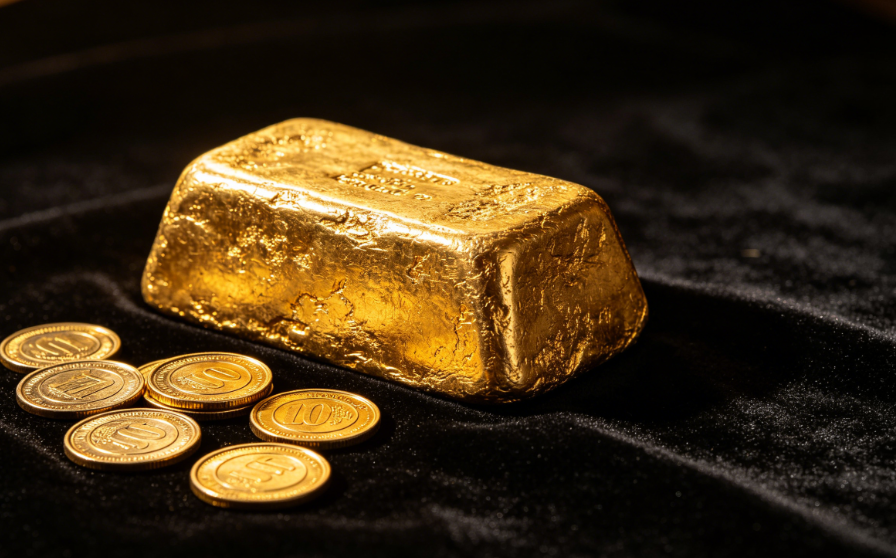
If you prefer to own physical gold, start with small gold coins. Coins like the American Eagle, Canadian Maple Leaf, and Australian Kangaroo are easy to buy, verify, and sell. They are available in small denominations, making them accessible to investors with any budget. Store them securely in a home safe or bank safety deposit box.
3. Gold Savings Accounts
Many banks offer gold savings accounts, which allow you to invest in gold with small, regular deposits. Your account balance is linked to the price of gold, so you can build your investment gradually. This is a low-risk option for beginners who want to start small.
Gold’s Timeless Appeal
In a world of constant change, gold remains a steady and reliable asset. Its unique properties, practical applications, and universal value have made it a symbol of wealth and stability for thousands of years. Whether you’re interested in its history, its role in modern industry, or its value as an investment, gold offers something for everyone.
Gold is not just a precious metal—it is a timeless asset that has stood the test of time. By understanding its value and investing smartly, you can harness the power of gold to protect your wealth and build a more secure financial future.