Diamonds: The Timeless Gem of Beauty, Strength, and Value
Diamonds are more than just dazzling gems—they are nature’s most extraordinary creation, forged deep within the Earth over billions of years. Renowned for their unmatched brilliance, unparalleled hardness, and enduring allure, diamonds have captivated human civilization for millennia. From ancient royal crowns to modern engagement rings, these precious stones have symbolized love, power, and eternity, transcending cultures and eras. Beyond their aesthetic appeal, diamonds possess unique physical properties that make them indispensable in technology and industry. This article explores the fascinating journey of diamonds—from their formation deep underground to their role in modern society, and why they remain one of the most cherished and valuable gems in the world.
The Formation of Diamonds: Nature’s Slow Masterpiece
Diamonds are born in the Earth’s mantle, approximately 150 to 200 kilometers below the surface, where extreme pressure (about 725,000 pounds per square inch) and high temperatures (between 1,400 and 1,600 degrees Celsius) transform carbon into the crystalline structure we know as diamond. This process takes millions, if not billions, of years—far longer than the existence of human civilization.
Over time, volcanic eruptions carry these diamonds to the Earth’s surface through kimberlite pipes—narrow channels of molten rock that act as natural elevators. Once exposed, diamonds are mined from these pipes or from alluvial deposits, where they have been carried by rivers and streams over thousands of years. The rarity of diamonds stems not only from their complex formation process but also from the fact that only a small fraction of mined diamonds are of gem quality—most are used for industrial purposes.
What Makes Diamonds Unique? Key Properties and the 4Cs
Diamonds stand out among all gems due to their exceptional physical properties and the rigorous standards used to evaluate their quality. The most well-known framework for assessing diamonds is the 4Cs—Cut, Color, Clarity, and Carat Weight—developed by the Gemological Institute of America (GIA) to ensure consistency and transparency in the diamond market.
- Cut: The cut of a diamond refers to its proportions, symmetry, and polish—not its shape. A well-cut diamond maximizes light reflection, creating the brilliant sparkle that diamonds are famous for. The quality of the cut directly impacts a diamond’s beauty, making it one of the most important factors in determining its value.
- Color: Most diamonds appear colorless, but they actually range from D (colorless) to Z (light yellow or brown). Colorless diamonds are the rarest and most valuable, as they allow more light to pass through and reflect. Fancy colored diamonds—such as pink, blue, or yellow—are even rarer and can fetch millions of dollars at auction.
- Clarity: Clarity refers to the presence of inclusions (internal flaws) or blemishes (external flaws) in a diamond. Diamonds with fewer inclusions are considered more valuable, as they are clearer and allow light to pass through unobstructed. The clarity scale ranges from Flawless (no inclusions or blemishes visible under 10x magnification) to Included (inclusions visible to the naked eye).
- Carat Weight: Carat is a unit of weight used to measure diamonds, with one carat equal to 200 milligrams. Larger diamonds are rarer and more valuable, but two diamonds of the same carat weight can vary dramatically in value based on the other three Cs.
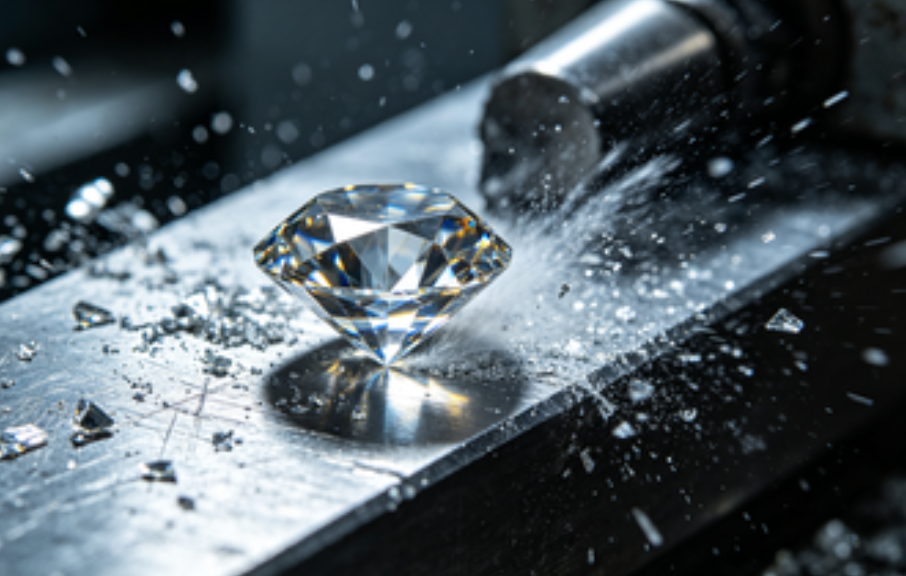
Beyond the 4Cs, diamonds are the hardest known natural material, scoring a 10 on the Mohs scale of mineral hardness. This extreme hardness makes diamonds resistant to scratches and wear, ensuring they retain their beauty for a lifetime—one of the reasons they are symbolically associated with eternity.
Diamonds in History and Culture: Symbols of Love and Power
Diamonds have played a significant role in human history and culture for thousands of years. Ancient civilizations revered diamonds for their strength and brilliance, associating them with gods and royalty. The ancient Greeks believed diamonds were tears of the gods, while the Romans thought they were fragments of falling stars. In India, diamonds were used in religious ceremonies and as a form of currency, with rulers hoarding them to display their power and wealth.
In modern times, diamonds have become synonymous with love and commitment, thanks in part to a 1947 marketing campaign by De Beers that popularized the slogan “A Diamond is Forever.” Today, diamond engagement rings are a global tradition, symbolizing the enduring nature of love and marriage. Beyond romance, diamonds continue to be a symbol of luxury and success, worn by celebrities, royalty, and anyone looking to celebrate a special milestone.
Diamonds Beyond Jewelry: Industrial and Technological Uses
While most people associate diamonds with jewelry, the majority of mined diamonds (over 80%) are used for industrial purposes. Their extreme hardness and thermal conductivity make them indispensable in a wide range of industries, from manufacturing to technology.
- Cutting and Polishing Tools: Diamond-tipped tools are used to cut, grind, and polish other hard materials, including metal, glass, and stone. These tools are essential in the construction, automotive, and aerospace industries, where precision and durability are critical.
- Electronics: Diamonds are used in semiconductors and electronic devices due to their excellent thermal conductivity. They help dissipate heat in high-performance computers, smartphones, and other electronic equipment, improving efficiency and lifespan.
- Medical Technology: Diamond-coated tools are used in surgery for their precision and biocompatibility, reducing the risk of infection and improving patient outcomes. Diamonds are also used in diagnostic tools, such as laser-based imaging systems, due to their ability to transmit light efficiently.
- Renewable Energy: Diamonds are being explored for use in solar panels and fuel cells, as their unique properties can enhance energy conversion efficiency and durability. This makes them a promising material for advancing clean energy technologies.
Diamonds as an Investment: A Luxury Asset with Long-Term Value
Diamonds are also a popular investment asset, valued for their rarity, durability, and ability to retain value over time. Unlike stocks or bonds, which can be volatile, diamonds are a tangible asset that can be passed down through generations. However, investing in diamonds requires knowledge and careful consideration, as not all diamonds are good investments.
Investment-grade diamonds are typically large (1 carat or more), with high quality in all four Cs—colorless (D-F), flawless or internally flawless clarity, and an excellent cut. These diamonds are rare and in high demand, making them more likely to appreciate in value over time. It’s important to purchase diamonds from reputable sources with proper certification (such as GIA or AGS) to ensure authenticity and quality.
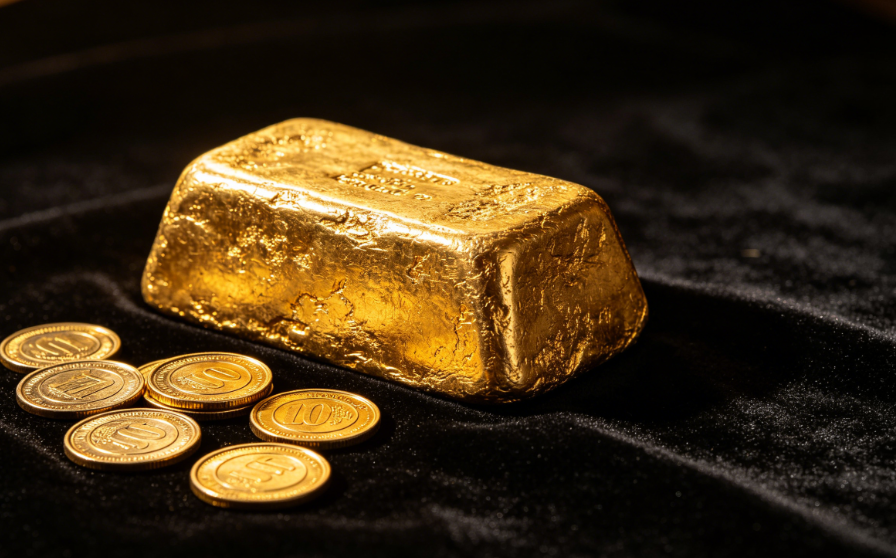
For beginners, investing in diamonds can be challenging, as the market is less liquid than gold or stocks. However, diamond ETFs and mutual funds offer a more accessible way to gain exposure to the diamond market without owning physical diamonds.
The Future of Diamonds: Lab-Grown vs. Natural
In recent years, lab-grown diamonds have emerged as a sustainable and affordable alternative to natural diamonds. Lab-grown diamonds are created in a laboratory using the same physical and chemical processes as natural diamonds, resulting in gems that are identical in appearance and properties. They are also more environmentally friendly, as they require less energy and do not involve mining, which can have negative environmental and social impacts.
While lab-grown diamonds are gaining popularity for jewelry, natural diamonds remain more valuable due to their rarity and historical significance. However, the growing demand for sustainable and affordable options is expected to drive the lab-grown diamond market in the coming years, offering consumers more choice.
Diamonds: Timeless Beauty and Enduring Value
Diamonds are more than just gems—they are a testament to nature’s power and human ingenuity. From their formation deep within the Earth to their role in jewelry, technology, and investment, diamonds have captivated us for millennia. Their unmatched beauty, exceptional strength, and symbolic meaning make them a timeless treasure that will continue to be cherished for generations to come.
Whether you admire diamonds for their sparkle, value their practical applications, or invest in them for their long-term worth, there is no denying their unique place in our world. Diamonds are not just a luxury—they are a symbol of eternity, strength, and the enduring beauty of nature.