Stress-Free Living: Daily Emotional Habits to Protect Your Mental Health

In modern everyday life, stress has become an almost universal experience. From busy work tasks and academic pressures to trivial household chores and subtle social interactions, countless small stressors build up day by day. Most people overlook these minor emotional changes, assuming that tiredness and restlessness will fade away with simple rest. However, unmanaged daily stress gradually erodes mental stability, triggering persistent overthinking, mood swings, sleep disturbances, and mental burnout. Protecting mental health does not require complicated professional methods. It only needs simple, consistent daily habits to relieve tension, guide negative emotions, and maintain a calm and positive mindset in ordinary life.
Understanding Chronic Daily Stress and Its Emotional Impact
Most people only associate stress with major setbacks, failures, or emergencies. In fact, chronic low-intensity daily stress is the biggest threat to long-term mental wellness. Repetitive tasks, tight schedules, unmet personal expectations, fear of uncertainty, and endless mental planning keep the nervous system in a prolonged state of alert. This subtle tension is easy to ignore because it does not cause immediate pain or collapse.
Over time, accumulated stress leads to obvious emotional and physical changes. People become more irritable and impatient, feel mentally exhausted for no reason, struggle to concentrate on daily work, and lose interest in small joys in life. Many individuals force themselves to keep working and stay productive, suppressing tiredness and negative emotions. This long-term emotional suppression creates severe internal friction, weakens psychological resilience, and makes people more vulnerable to anxiety and low moods.
Build a Healthy Perspective on Negative Emotions
A key reason for long-term emotional instability is the fear of negative feelings. Many people believe that feeling anxious, sad, or frustrated means poor mental health. They try their best to avoid, resist, or suppress bad moods, only to find their emotions become more out of control.
In reality, negative emotions are normal, healthy psychological responses. They are gentle reminders from the mind, signaling that you need rest, adjustment, or emotional release. True mental wellness is not the absence of negative emotions, but the ability to face them calmly, accept them peacefully, and adjust them quickly. Allowing emotions to come and go freely is the first step to long-term emotional stability.
Practical Daily Habits for Stress Relief and Emotional Healing
Emotional regulation and stress management are lifelong daily practices. The following simple, low-cost habits can be easily integrated into busy lifestyles, effectively reducing mental pressure and soothing fluctuating emotions.
1. Practice Mindful Rest to Heal Mental Fatigue
Most people’s rest is passive and ineffective. Scrolling through digital content during breaks cannot relax the overworked brain; it only increases information load and mental tension. Mindful rest is an active healing method that helps the nervous system recover truly.
Taking 5 to 10 minutes every day to sit quietly, breathe naturally, and relax your body completely can calm chaotic thoughts. You can gently observe your breathing, feel the tension in your body slowly disappear, and let go of all urgent thoughts and trivial worries. This short mindful rest resets your mental state, relieves accumulated stress, and greatly improves emotional stability for the rest of the day.
2. Clear Mental Clutter Through Simple Thought Sorting
Mental restlessness mostly comes from messy, unprocessed thoughts. Too many pending tasks, unspoken emotions, and uncertain worries pile up in the mind, creating invisible pressure. Simple thought sorting can effectively clear mental clutter and restore inner order.
You can spend a few minutes every night recording your daily troubles, unfinished tasks, and inner emotions. The process of writing helps externalize chaotic thoughts, distinguish between real problems and unnecessary overthinking, and formulate simple solutions for pending matters. This small habit eliminates vague anxiety, makes the mind clearer, and reduces endless nighttime overthinking.
3. Relieve Stress Through Light Physical Activity
Body and mind are closely connected. Physical tension always accompanies mental stress. Long-term sitting and lack of movement cause stress to accumulate in the body, leading to stiff muscles, poor blood circulation, and depressed emotions.
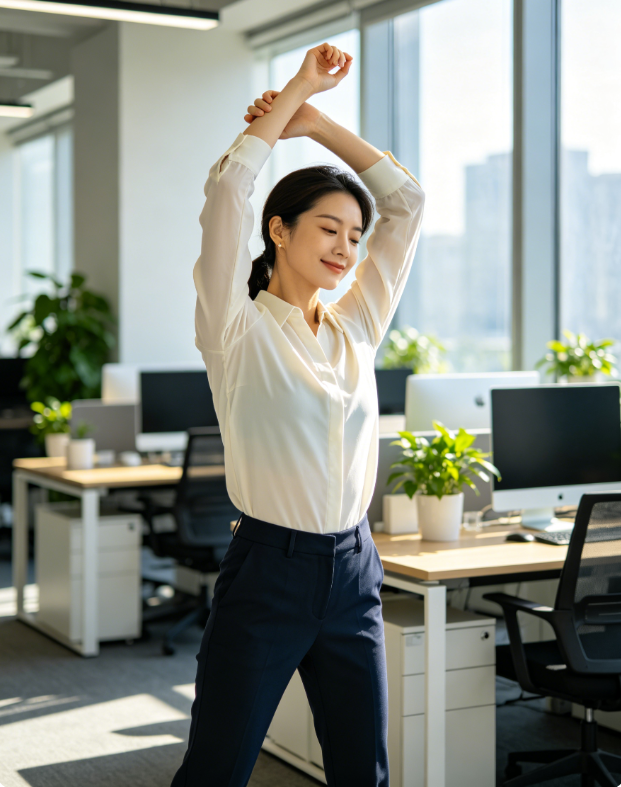
Light daily exercise is a natural and effective emotional regulator. Slow walking, gentle stretching, casual jogging, and simple household movements can activate body vitality, relieve physical tension, and promote the secretion of happy hormones. Unlike intense exercise that causes fatigue, light physical activity soothes tired nerves, lifts mood, and releases suppressed negative emotions without burdening the body.
4. Set Healthy Boundaries to Reduce External Anxiety
A large part of modern emotional pressure comes from external interference. Excessive social comparison, endless information stimulation, inappropriate interpersonal demands, and blind catering to others’ expectations disrupt inner balance and trigger persistent anxiety.
Setting healthy personal boundaries is essential for mental health. Learn to filter useless information, refuse ineffective social interactions, and stop comparing your life with others. Focus on your own life rhythm, accept your own growth pace, and prioritize your inner comfort. Proper boundary protection can greatly reduce external emotional interference and maintain long-term mental independence and peace.
5. Cultivate Patience by Accepting Life’s Imperfections
Many daily troubles stem from excessive pursuit of perfection. People easily feel frustrated and anxious when plans change, tasks are not completed perfectly, or small mistakes occur. Excessive self-demand and rigid life standards create continuous internal friction.
Adjusting your mindset to accept imperfection is a core skill of emotional maturity. Life is full of uncertainties and trivial imperfections. Allowing yourself to make mistakes, accepting temporary stagnation, and forgiving your own inadequacies can greatly reduce self-generated pressure. A tolerant attitude toward life brings more peace, freedom, and emotional stability.
6. Accumulate Positive Energy from Daily Small Moments
Long-term stress makes people habitually focus on problems and deficiencies, ignoring the warm and positive details of life. Lack of positive emotional feedback gradually leads to mental fatigue and pessimistic thinking. Actively capturing small beautiful moments can continuously repair mental consumption.
A warm cup of drink, soft natural light, quiet leisure time, delicious food, and peaceful alone time are all precious sources of positive energy. These trivial warm moments cannot change life pressure instantly, but they can balance negative emotions, nourish the mind, and slowly build an optimistic and resilient mental state.
Common Misconceptions About Daily Mental Health
Many people fail to maintain emotional balance due to widespread wrong cognitions.
Mental health only matters when feeling sick: Mental wellness focuses on daily prevention. Waiting for obvious anxiety and pain means severe mental overconsumption.
Strong people have no negative emotions: True inner strength lies in emotional recovery ability, not the suppression of normal feelings.
Busy work can eliminate emotional troubles: Busyness only covers up emotions temporarily. Unresolved stress will accumulate and break out sooner or later.
Emotional adjustment wastes time: Daily emotional self-care improves efficiency, reduces mental friction, and saves more time consumed by negative states.
Long-Term Rewards of Persistent Emotional Self-Care
Adhering to daily stress relief and emotional regulation will bring profound positive changes to body and mind. In the short term, these habits effectively relieve irritability, improve sleep quality, enhance concentration, and make daily work and life more efficient and relaxed. In the long run, they cultivate strong psychological resilience, enabling individuals to face life changes, work pressure, and interpersonal challenges with calmness and rationality.
People who stick to daily mental self-care have more stable moods, gentler tempers, and higher life satisfaction. They are no longer easily trapped by trivial troubles and negative thoughts, and can always maintain a positive and peaceful life state.
Conclusion
Mental health is the most precious foundation of quality life. Daily stress and emotional fluctuations are unavoidable, but everyone can take the initiative to guard their inner balance through simple and scientific daily habits.
Through mindful rest, thought sorting, light exercise, boundary setting, acceptance of imperfection, and accumulation of small happiness, we can effectively relieve chronic daily stress, reduce internal friction, and heal emotional fatigue. A stable and peaceful mind allows us to cope with trivial and busy life with more courage, calmness, and positivity, achieving long-term physical and mental harmony and healthy growth.