Spinal Health: Key Habits to Maintain a Strong, Pain-Free Spine

The spine is one of the most critical structural components of the human body. It supports body weight, enables flexible movement, protects the spinal cord, and connects the head, torso, and limbs. Despite its importance, spinal health is frequently overlooked in daily wellness routines. Long hours of sitting, poor posture, lack of exercise, and improper lifting habits gradually strain spinal structures, leading to stiffness, chronic pain, and long-term spinal degeneration. Most common spinal problems are preventable through simple, consistent lifestyle adjustments and scientific body mechanics. This article explores essential knowledge and practical habits to help people protect their spine and sustain long-term physical health.
Why Spinal Health Matters for Overall Physical Wellness
The human spine consists of vertebrae, intervertebral discs, nerves, muscles, and connective tissues. It serves as the central pillar of human movement and stability. A healthy spine maintains natural curvature, balances body force distribution, and protects nerve signal transmission throughout the body. When spinal alignment is disrupted or spinal tissues are overstrained, individuals may experience local back pain, neck stiffness, shoulder tension, and even radiating numbness in the arms and legs.
Poor spinal health also affects overall physical function and quality of life. Chronic spinal discomfort limits mobility, reduces exercise willingness, and disrupts sleep quality. Over time, uncorrected spinal issues can lead to postural deviation, muscle imbalance, fatigue, and decreased work efficiency. Maintaining a healthy spine supports better posture, greater physical flexibility, stable nerve health, and long-term bodily balance.
Common Causes of Spinal Strain and Degeneration
Prolonged Sedentary Behavior
Sitting for extended hours is one of the biggest threats to modern spinal health. Long-term sitting increases pressure on the lumbar spine, squeezes intervertebral discs, and weakens core muscle groups that support the back. Without regular movement, spinal stiffness accumulates, blood circulation slows down, and lower back tension gradually develops. Office workers, students, and remote workers are the most susceptible group to sedentary-related spinal discomfort.
Incorrect Posture in Daily Life
Unhealthy postural habits gradually damage spinal alignment. Hunching over screens, forward head posture, slouching while sitting, sleeping on overly soft mattresses, and crooked standing postures disrupt the spine’s natural S-shaped curve. Over months and years, these small habitual errors cause uneven muscle tension, spinal misalignment, and chronic neck and back strain.
Improper Movement and Lifting Methods
Many people unknowingly injure their spine during daily activities. Lifting heavy objects with the back instead of the legs, twisting the torso suddenly, overreaching, and high-impact movements without warm-ups can cause acute spinal strain and disc pressure. Repeated improper movements accelerate disc wear and increase the risk of spinal injuries.
Lack of Core Strength and Flexible Movement
The spine cannot maintain stability independently. It relies heavily on abdominal, back, and trunk muscles for support. Weak core muscles fail to share spinal pressure, causing the spine to bear excessive force during daily movements. Insufficient stretching and low body flexibility also make spinal tissues tighter and more vulnerable to strain and fatigue.
Daily Habits to Protect and Strengthen the Spine
Maintain Ergonomic Sitting and Standing Posture
Correct posture is the most cost-effective way to protect the spine. When sitting, keep the back straight, shoulders relaxed, hips fully supported by the chair, and feet flat on the ground. Avoid hunching forward or leaning backward for long periods. For screen users, keep the screen at eye level to prevent forward head posture and neck strain. When standing, distribute weight evenly on both feet and maintain a natural spinal curve.
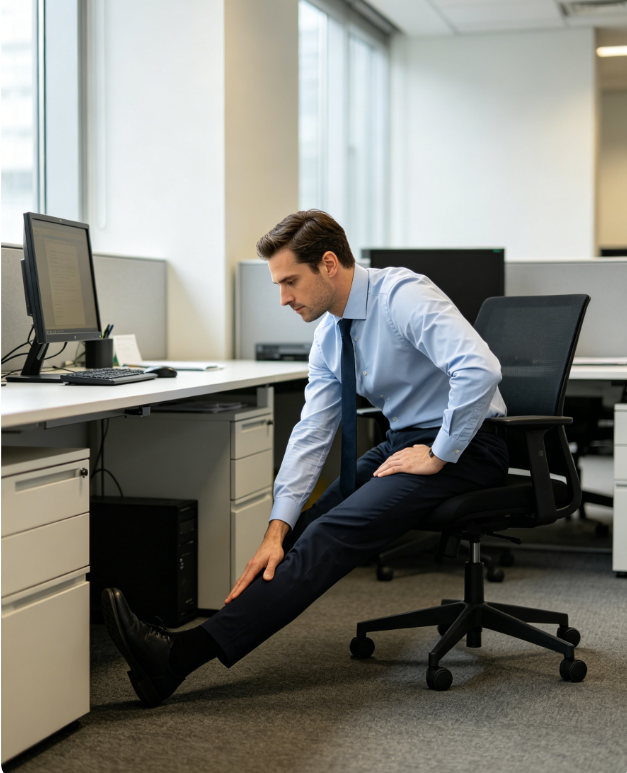
It is essential to avoid prolonged static posture. Experts recommend standing, stretching, or walking for two to three minutes every 30 to 45 minutes of sitting. Short and frequent movements effectively relieve spinal compression and muscle stiffness.
Adopt Healthy Sleeping Habits
Sleep is the main period for spinal recovery. A suitable mattress should provide moderate support, keeping the spine naturally straight during rest. Overly soft mattresses cause the body to sink and deform the spinal curve, while excessively hard mattresses create local pressure points. Sleeping on the back or side is more spine-friendly than stomach sleeping, which easily twists the cervical and lumbar spine. Using a height-appropriate pillow maintains natural neck alignment and reduces overnight spinal tension.
Master Safe Lifting and Movement Mechanics
When lifting heavy items, always bend the knees instead of the waist, keep the torso upright, and use leg strength to lift objects. Keep heavy items close to the body to reduce spinal torque. Avoid sudden twisting, bending, or jerking movements in daily exercise and housework. These simple mechanical habits greatly reduce the risk of acute back injuries and disc strain.
Exercise and Stretching for Spinal Health
Core Strengthening Exercises
Strong core muscles are the best natural support system for the spine. Regular core training stabilizes the lumbar region, balances muscle force, and reduces spinal pressure. Low-impact exercises such as planks, bird-dog movements, gentle bridge workouts, and slow torso rotations effectively strengthen abdominal and dorsal muscles without overloading the spine. Consistent core training significantly improves spinal stability and reduces chronic back pain recurrence.
Spinal Stretching and Mobility Training
Daily stretching relieves muscle tightness, improves spinal flexibility, and promotes blood circulation in the back and neck. Gentle neck tilts, shoulder rolls, cat-cow stretches, and lumbar rotation stretches effectively release spinal stiffness caused by long sitting. Maintaining spinal mobility prevents tissue adhesion, joint stiffness, and postural aging.
Low-Impact Cardio for Spine Wellness
Moderate aerobic exercise improves overall blood circulation and nourishes spinal discs and soft tissues. Walking, swimming, and cycling are highly spine-friendly sports. These exercises enhance body coordination, strengthen supportive muscles, and avoid high-impact compression on the spine. Regular moderate exercise helps maintain spinal vitality and delays degenerative changes.
Lifestyle Adjustments to Prevent Chronic Spinal Issues
Maintaining a healthy body weight is essential for spinal protection. Excess body weight, especially abdominal fat, increases lumbar spine pressure and accelerates disc wear. Keeping a balanced diet and stable weight effectively reduces spinal burden. Additionally, avoiding long-term cold stimulation on the neck and back prevents muscle spasms and poor blood circulation, which commonly cause stiffness and soreness.
Managing mental stress also benefits spinal health. Long-term stress causes involuntary muscle tightening in the shoulders, neck, and back, leading to persistent spinal tension. Proper relaxation, breathing exercises, and regular rest help relieve muscular stress and protect spinal balance.
When to Seek Professional Spinal Care
Most mild spinal stiffness and muscle soreness can be relieved through posture adjustment and exercise. However, professional evaluation is necessary if symptoms persist. Signs such as continuous neck or back pain, radiating numbness in limbs, tingling sensations, persistent shoulder tightness, and limited spinal mobility indicate potential spinal alignment or disc problems. Early physical assessment, corrective training, and professional rehabilitation can prevent minor issues from developing into chronic spinal diseases.
Regular spinal health checkups are especially important for office workers, athletes, and middle-aged groups. Early intervention effectively avoids long-term degenerative damage and maintains spinal function.
Conclusion
Spinal health is the foundation of human mobility, posture, and long-term physical vitality. Most spinal problems are caused by accumulated poor posture, sedentary lifestyles, insufficient exercise, and incorrect daily movements. By maintaining correct sitting, standing, and sleeping posture, strengthening core muscles, keeping active, and adopting spine-friendly lifestyle habits, individuals can effectively prevent spinal strain, stiffness, and chronic pain. Protecting the spine through daily habits supports stable body balance, flexible movement, and sustained physical wellness throughout all life stages.