Dental Health: Essential Practices for Strong Teeth and Healthy Gums
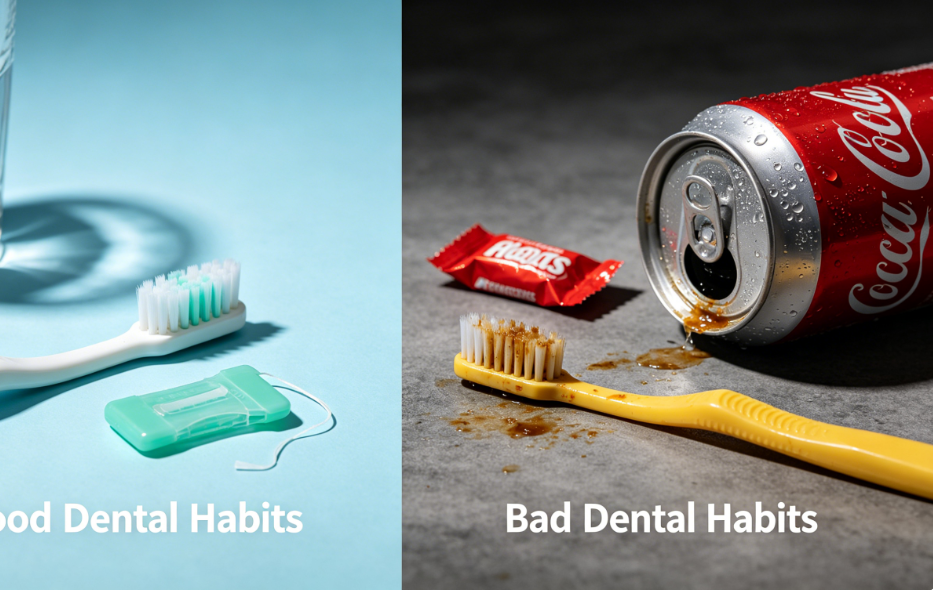
Dental health is a vital component of overall physical well-being and daily quality of life. A healthy dentition supports efficient chewing, clear verbal communication, and a confident facial appearance, while poor dental care leads to a wide range of preventable oral conditions. From minor enamel erosion and tooth sensitivity to severe gum disease and permanent tooth loss, most dental issues develop gradually due to inconsistent hygiene and unhealthy lifestyle choices. With evidence-based daily practices and routine professional dental care, individuals of all ages can preserve strong teeth, maintain firm gums, and sustain a disease-free oral environment long-term.
The Underrated Importance of Dental Wellness
Many people view dental health as a purely cosmetic concern, but its impact extends far beyond a bright smile. The human mouth acts as a gateway to the body, hosting billions of bacteria that can influence systemic health when left unregulated. Accumulated dental plaque and untreated oral infections allow harmful bacteria to enter the bloodstream, triggering chronic low-grade inflammation. Medical research consistently links advanced dental problems, especially periodontal disease, to elevated risks of cardiovascular issues, uncontrolled diabetes, and weakened immune function.
Beyond physical health benefits, sound dental wellness greatly enhances mental and social confidence. Tooth pain, persistent bad breath, bleeding gums, and discolored teeth often create self-consciousness, limiting social interaction and reducing overall life satisfaction. Prioritizing dental health is therefore a simple yet powerful investment in both physical health and emotional well-being.
Correct Daily Dental Care Routine for Optimal Results
Proper Tooth Brushing Techniques
Brushing teeth twice daily remains the foundation of effective dental care. Dentists recommend brushing for a full two minutes each morning and night using a soft-bristled toothbrush and fluoride toothpaste. Soft bristles protect delicate gum tissue and prevent aggressive abrasion that wears away tooth enamel over time, while fluoride actively strengthens enamel, reverses early demineralization, and blocks cavity-causing acid attacks.
Ideal brushing involves gentle, circular motions that clean every tooth surface, including the outer, inner, and chewing areas, as well as along the delicate gumline. Many people overlook back molars and inner tooth surfaces, which are the most susceptible to plaque buildup and hidden decay. Toothbrushes should be replaced every three months or once bristles become frayed to ensure maximum cleaning efficiency and avoid bacterial contamination.
Daily Flossing for Complete Oral Cleanliness
Toothbrushes cannot access the narrow gaps between teeth, where nearly 40 percent of oral plaque accumulates. These tight spaces trap food debris, bacteria, and plaque that gradually cause interproximal cavities and early gum inflammation. Daily flossing is the only reliable at-home method to remove hidden buildup between teeth and below the gumline.
Traditional string floss, floss picks, and electric water flossers all deliver excellent results with consistent use. Incorporating flossing into daily routines significantly reduces the risk of gum bleeding, tooth decay, and tartar formation, filling the gaps left by regular tooth brushing.
Supplementary Oral Hygiene Practices
Tongue cleaning is a critical yet frequently skipped step in dental care. The tongue’s textured surface harbors massive amounts of bacteria that cause persistent bad breath and cross-contaminate clean tooth surfaces. A daily tongue scrape reduces bacterial load and maintains long-term oral freshness. Drinking plenty of water throughout the day prevents dry mouth, stimulates natural saliva production, and rinses away loose food particles. Saliva acts as the mouth’s natural defense system, neutralizing harmful acids and repairing minor enamel damage.
How Diet and Lifestyle Shape Dental Health
Dietary habits are one of the biggest determinants of long-term dental health. Frequent consumption of sugary snacks, soda, sweetened juices, pastries, and energy drinks fuels cavity-causing oral bacteria. These bacteria produce acidic byproducts that erode tooth enamel, leading to sensitivity, discoloration, and cavities over time. Continuous snacking and prolonged sipping of sweet beverages keep the mouth in a constant acidic state, preventing enamel recovery and accelerating dental damage.
Acidic foods and drinks, including citrus fruits, coffee, and sports drinks, also weaken enamel structure. To minimize harm, individuals should rinse their mouth with clean water after consuming acidic or sugary meals and avoid immediate brushing, which can further abrade softened enamel. A tooth-friendly diet rich in calcium, fiber, and vitamins supports strong teeth and healthy gums. Leafy greens, plain yogurt, cheese, crunchy vegetables, and nuts boost saliva production and provide essential nutrients for enamel strength and oral tissue repair.
Certain lifestyle habits silently degrade dental health. Tobacco use stains teeth, inflames gum tissue, and drastically increases the risk of periodontal disease and oral health complications. Habits such as teeth grinding, chewing ice, and biting hard objects cause enamel cracks, tooth wear, and gum recession. Eliminating these harmful practices preserves natural tooth structure and prevents premature dental aging.
Prevention of Common Dental Conditions
Tooth Decay and Cavities
Cavities are the most prevalent chronic dental condition worldwide, affecting individuals of all ages. They develop when unremoved plaque bacteria erode tooth enamel, creating small holes in the tooth structure. Early-stage cavities produce no noticeable pain, allowing decay to progress silently into deeper tooth layers. Without timely intervention, decay can reach the tooth pulp, causing severe pain, infection, abscesses, and permanent tooth loss. Consistent hygiene, sugar moderation, and routine dental checks are the most effective preventive measures.
Gum Disease
Gum disease exists in two primary stages: gingivitis and periodontitis. Gingivitis, the early stage, features red, swollen gums that bleed easily during brushing or flossing. This condition is fully reversible with improved oral hygiene and professional cleaning. If left untreated, gingivitis progresses to periodontitis, a severe chronic condition that destroys gum attachment tissue and erodes supporting jawbone, leading to loose teeth, chronic infection, and irreversible tooth loss.
Tooth Sensitivity and Bad Breath
Tooth sensitivity occurs when enamel thins or tooth roots become exposed, causing sharp discomfort from hot, cold, sweet, or sour stimuli. Most sensitivity cases improve with gentle brushing techniques and anti-sensitivity toothpaste. Persistent bad breath, or halitosis, is primarily caused by bacterial buildup, trapped food debris, and dry mouth. Consistent daily cleaning and proper hydration resolve nearly all routine bad breath issues.
Why Professional Dental Checkups Are Indispensable
At-home oral care cannot remove hardened dental tartar or detect hidden dental problems. Professional dental examinations and cleanings every six months are essential for long-term dental wellness. Licensed dentists and dental hygienists remove stubborn tartar buildup that brushing and flossing cannot eliminate, inspect for hidden cavities, assess gum depth and health, and screen for early oral abnormalities.
Routine dental visits prevent minor issues from escalating into painful, costly dental procedures. Dental professionals provide personalized care advice for unique oral conditions, including teeth grinding, dry mouth, enamel weakness, and gum sensitivity. Preventive treatments such as dental sealants and professional fluoride applications offer enhanced protection for vulnerable teeth, significantly reducing cavity risks for children and cavity-prone adults.
Conclusion
Dental health is a lifelong commitment that shapes overall health, comfort, and self-confidence. Every healthy smile relies on consistent daily hygiene, balanced dietary choices, healthy lifestyle habits, and regular professional dental care. Almost all common dental diseases are preventable with simple, intentional daily actions. By prioritizing dental wellness, individuals can maintain strong, functional teeth and healthy gums at every age, enjoying pain-free chewing, fresh breath, and a confident smile for years to come.