Slow Wellness: Japan’s Unique Approach to National and Daily Personal Health
Introduction
Japan consistently ranks among the countries with the longest life expectancy and lowest chronic disease rates in the world. Its outstanding public health performance does not rely solely on advanced medical technology; instead, it originates from deeply embedded daily habits, subtle social disciplines, and a culturally rooted understanding of wellness. Unlike Western health concepts that emphasize intense exercise and dietary control, Japanese health philosophy advocates gentler, slower, and more sustainable lifestyle adjustments. From meticulously portioned meals to routine public health management, every ordinary daily detail contributes to the nation’s stable physical and mental health standards. This article explores Japan’s unique health system, everyday wellness practices, and the quiet cultural logic behind its healthy lifestyle.
The Foundation of Japanese Physical Health: Dietary Culture
1. Balanced Portion Control and Minimalist Ingredients
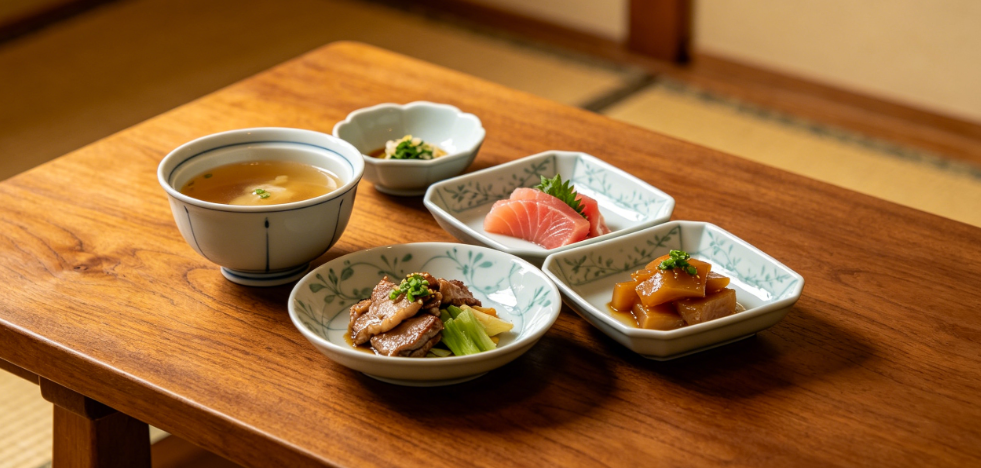
Traditional Japanese meals follow the principle of ichiju-sansai, meaning one soup and three dishes. This simple dietary structure ensures balanced intakes of carbohydrates, proteins, vitamins, and minerals without excessive oil or sugar. Most family meals prioritize seasonal, fresh, and lightly processed ingredients. Steaming, boiling, and gentle grilling replace heavy frying, which effectively reduces unnecessary bodily burden. Even modern convenience foods sold in Japanese supermarkets clearly label calorie counts, salt content, and nutritional ratios, guiding people to make rational dietary choices.
2. Conscious Eating and Slow Consumption Habits
Eating slowly and chewing sufficiently is a widespread social habit in Japan. Many people consciously avoid overeating and maintain a light stomach condition throughout the day. This eating rhythm helps stabilize blood sugar, improve digestion, and prevent obesity. In addition, the visual presentation of Japanese food slows down people’s eating pace psychologically. Exquisite tableware and neat food arrangement encourage diners to focus on the texture and flavor of ingredients rather than consuming food hastily.
Public Health Infrastructure and Social Wellness Management
1. Accessible Medical System and Regular Health Checks
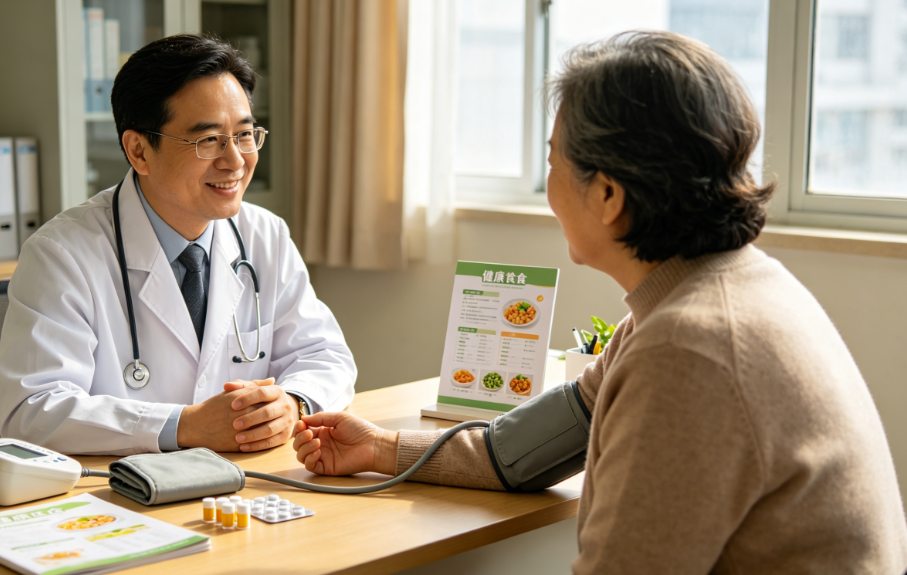
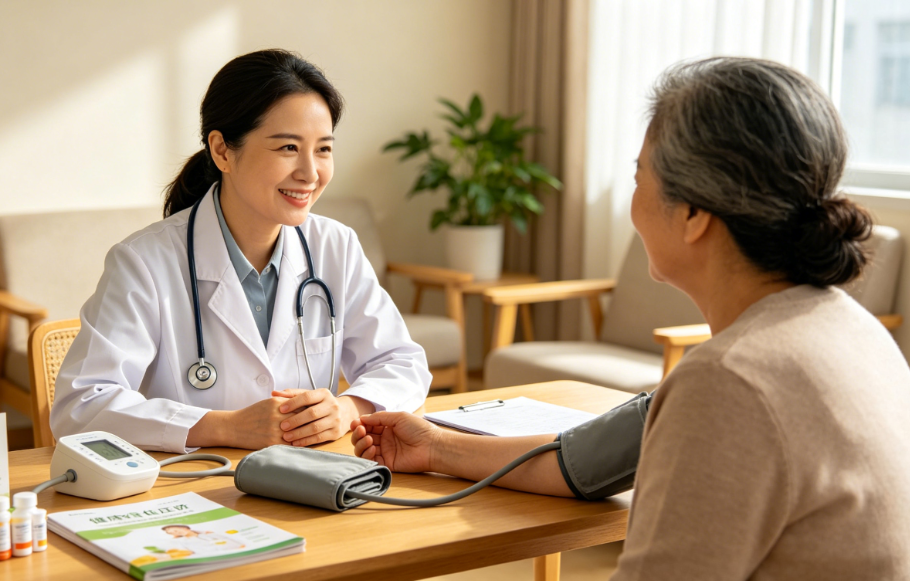
Japan’s universal health insurance system ensures that every resident, including foreign tenants, can receive affordable medical services. Local clinics are densely distributed in residential areas, making basic medical consultation extremely convenient. Annual physical examinations have become a normalized social routine. Regular blood tests, body scans, and lifestyle evaluations help detect potential illnesses at an early stage. This preventive medical philosophy greatly reduces the risk of sudden severe diseases in the aging population.
2. Public Sanitation and Clean Living Environment
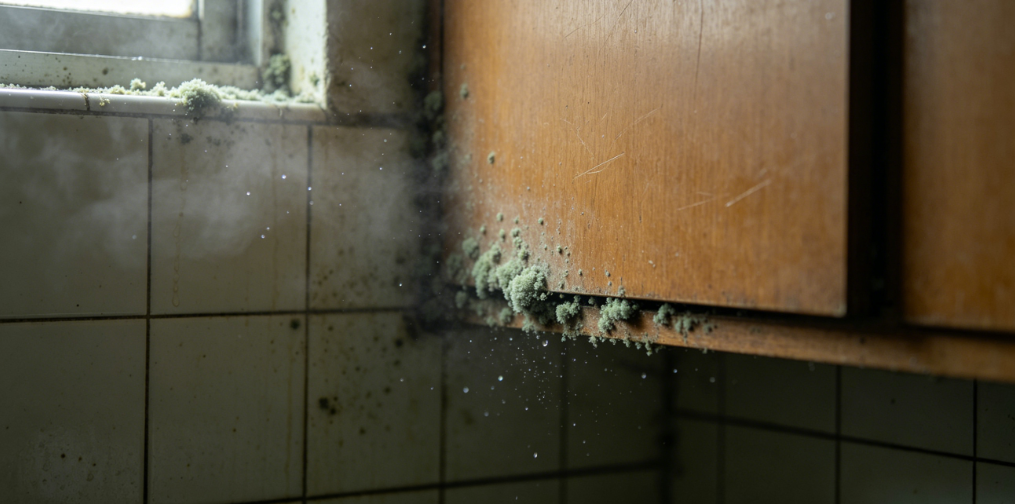
Strict waste classification, regular public disinfection, and clean urban infrastructure collectively build a hygienic living environment. Public transportation, streets, and community spaces maintain extremely low bacterial density. For ordinary renters, clean air, purified tap water, and standardized garbage disposal indirectly reduce the probability of infectious diseases. Such subtle environmental protection measures form an invisible public health barrier for every resident.
Modern Mental Health: Japan’s Gentle Healing Lifestyle
1. Low-Stress Daily Movement Instead of Intense Exercise
Instead of pursuing high-intensity gym workouts, Japanese people prefer mild daily movements. Walking commutes, gentle stretching, balcony breathing exercises, and slow household cleaning constitute most people’s daily activity volume. These low-pressure physical activities promote blood circulation without causing physical fatigue. For young people living in small rental apartments, simple indoor stretching becomes an easy way to relieve muscle stiffness and mental anxiety.
2. Quiet Leisure and Emotional Self-Regulation
In high-pressure Japanese society, quiet leisure activities serve as important mental healing methods. Tea ceremonies, forest bathing, indoor plant cultivation, and slow reading help people isolate themselves from noisy social information. Minimalist living spaces reduce visual stimulation, allowing the brain to enter a stable resting state. Many young renters deliberately keep their rooms empty and neat to maintain mental clarity and emotional balance.
Cultural Reflection: The Essence of Japanese Wellness
Japan’s health success cannot be separated from its traditional cultural concepts. The philosophy of living in moderation penetrates every daily behavior: moderate diet, moderate rest, moderate desire, and moderate social interaction. Unlike the aggressive pursuit of physical perfection in modern fitness culture, Japanese wellness accepts human physical limitations and advocates long-term gentle maintenance. This mild attitude toward health reduces people’s anxiety about physical imperfection.
Furthermore, health in Japan is not merely an individual responsibility but a collective social consensus. Clean public spaces, standardized food production, and accessible medical resources jointly construct a systematic health protection network. Every citizen subtly maintains public health order, forming a virtuous cycle of mutual wellness.
Conclusion
Japanese health wisdom lies in trivial, persistent, and gentle daily behaviors. Scientific dietary structures, complete public medical systems, mild exercise habits, and quiet emotional adjustment methods together shape the country’s outstanding health standards. Whether living in a spacious house or a compact rental apartment, residents can easily integrate healthy habits into ordinary life. Ultimately, Japan’s wellness culture reveals a simple truth: true health is not achieved through drastic changes, but through long-term mild balance between body, mind, and the living environment.