Hypertension Management: A Holistic Approach to Lowering Blood Pressure and Safeguarding Heart Health

Hypertension, or high blood pressure, is a silent but serious chronic condition that affects millions of people worldwide. Characterized by consistently elevated pressure in the arteries, it poses a major risk for heart disease, stroke, kidney failure, and other life-threatening complications. Unlike many illnesses, hypertension often presents no obvious symptoms in its early stages, making regular screening and proactive management essential. This article explores a holistic approach to treating hypertension, combining medical interventions, evidence-based lifestyle changes, and self-care strategies to help individuals take control of their blood pressure and protect their long-term health.

Understanding Hypertension: Diagnosis and Key Facts
Hypertension is diagnosed when blood pressure readings consistently measure 130/80 mmHg or higher. The systolic pressure (the top number) represents the force of blood against artery walls when the heart beats, while the diastolic pressure (the bottom number) is the pressure when the heart is at rest. Prehypertension—readings between 120-129/<80 mmHg—is a critical warning stage; at this point, lifestyle modifications alone can often prevent progression to full hypertension.
Several factors contribute to hypertension, including genetics, age, and underlying health conditions like diabetes or obesity. However, modifiable lifestyle factors—such as a high-sodium diet, lack of physical activity, chronic stress, and excessive alcohol consumption—are the primary drivers of most cases. Understanding these factors is key to developing an effective treatment plan.
Medical Treatment: Personalized Care for Blood Pressure Control
When lifestyle changes are not sufficient to lower blood pressure, healthcare providers prescribe medication tailored to the individual’s needs. The goal of medication is not only to reduce blood pressure but also to protect vital organs like the heart, kidneys, and brain. Common classes of hypertension medications include:
1. Diuretics
Often the first-line treatment, diuretics (also called “water pills”) help the kidneys eliminate excess sodium and water from the body. By reducing blood volume, they ease pressure on artery walls and lower blood pressure. They are particularly effective for older adults and those with fluid retention.
2. ACE Inhibitors
Angiotensin-Converting Enzyme (ACE) inhibitors block the production of angiotensin II, a hormone that narrows blood vessels. By preventing this narrowing, blood flow improves, and blood pressure decreases. These medications are especially beneficial for people with diabetes or kidney disease, as they also protect these organs from damage.
3. Angiotensin II Receptor Blockers (ARBs)
Similar to ACE inhibitors, ARBs prevent angiotensin II from binding to receptors in blood vessels, allowing arteries to remain relaxed. They are often prescribed for individuals who cannot tolerate ACE inhibitors due to side effects like a dry cough.
4. Calcium Channel Blockers
These medications prevent calcium from entering the muscle cells of blood vessels, which relaxes the vessel walls and widens arteries. This reduces resistance to blood flow, effectively lowering blood pressure. They are also used to treat other conditions like angina.
Adherence to medication is critical. Skipping doses, adjusting dosages, or stopping medication without medical approval can cause a dangerous spike in blood pressure, increasing the risk of heart attacks or strokes. Healthcare providers regularly monitor patients to ensure medication is effective and adjust treatment plans as needed.
Lifestyle Modifications: The Foundation of Hypertension Management
Medication works best when combined with healthy lifestyle habits. These changes not only lower blood pressure but also improve overall cardiovascular health and may reduce the need for higher medication doses. Below are evidence-based adjustments to incorporate into daily life:
1. Adopt the DASH Eating Plan
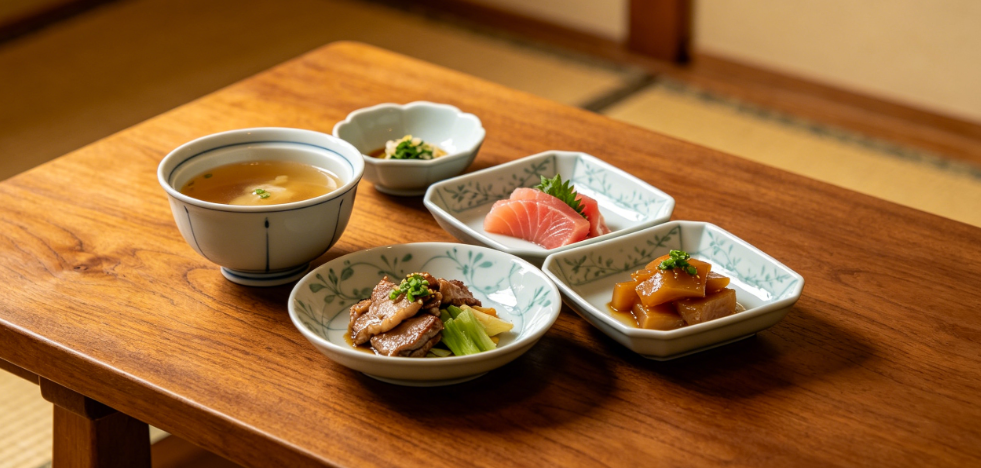
The DASH (Dietary Approaches to Stop Hypertension) diet is specifically designed to lower blood pressure. It emphasizes:
- Plenty of fruits and vegetables (4-5 servings daily), which are rich in potassium, magnesium, and fiber—nutrients that help regulate blood pressure.
- Whole grains (oats, quinoa, whole wheat) instead of refined grains, to support stable blood sugar and weight management.
- Lean proteins, such as fish (salmon, tuna), poultry, beans, and tofu, which are low in saturated fat.
- Limiting sodium to 1,500 mg per day (about ½ teaspoon of salt). Avoid processed foods, canned soups, fast food, and salty snacks, which are high in hidden sodium.
- Reducing added sugars and saturated fats, which contribute to inflammation and weight gain—both risk factors for hypertension.
2. Stay Physically Active
Regular exercise strengthens the heart, improves blood circulation, and helps maintain a healthy weight. Aim for at least 150 minutes of moderate-intensity exercise per week, such as brisk walking, cycling, swimming, or gardening. Even short 10-minute sessions throughout the day can add up to meet this goal. For beginners, start slowly and gradually increase intensity, and always consult a healthcare provider before starting a new exercise routine.
3. Maintain a Healthy Weight
Excess weight, especially around the waist, puts extra strain on the heart and increases blood pressure. Losing just 5-10% of body weight can lead to a significant drop in blood pressure. Focus on gradual, sustainable weight loss through a balanced diet and regular exercise, rather than extreme diets that are hard to maintain and can harm metabolism.
4. Limit Alcohol and Quit Smoking
Excessive alcohol consumption raises blood pressure and reduces the effectiveness of hypertension medication. If you drink, limit intake to 1 drink per day for women and 2 drinks per day for men. Smoking damages blood vessels, narrows arteries, and increases the risk of heart disease—quitting smoking is one of the most impactful steps to improve heart health and lower blood pressure.
5. Manage Stress and Prioritize Sleep
Chronic stress and poor sleep can both elevate blood pressure. Practice stress-management techniques like deep breathing, meditation, yoga, or spending time in nature to calm the mind and relax the body. Aim for 7-9 hours of quality sleep each night—establish a consistent bedtime routine, keep the bedroom cool and dark, and avoid screens before bed to improve sleep quality.
Self-Management and Monitoring
Managing hypertension is a lifelong commitment. To stay on track:
- Monitor blood pressure at home with a reliable monitor. Keep a log of readings, noting the time of day and any factors (e.g., stress, exercise, meals) that may affect them.
- Attend regular follow-up appointments with a healthcare provider to review progress, adjust treatment plans, and screen for complications.
- Educate yourself about hypertension—understanding the condition and how lifestyle choices impact blood pressure empowers you to make informed decisions.
- Be patient with yourself—small, consistent changes are more effective than drastic, unsustainable ones. If you slip up, don’t get discouraged; simply get back on track with your habits and medication.
When to Seek Emergency Care
While most hypertension is managed with regular care, seek emergency medical attention if you experience a sudden spike in blood pressure (readings above 180/120 mmHg) accompanied by symptoms like severe headache, chest pain, shortness of breath, dizziness, or numbness in the arms or legs. These signs may indicate a hypertensive crisis, which requires immediate treatment to prevent organ damage.
Final Thoughts
Hypertension is a manageable condition, but it requires proactive care and commitment. By working closely with a healthcare provider, taking medication as prescribed, and adopting healthy lifestyle habits, you can keep blood pressure in a safe range and protect your heart and vital organs. Remember, every small step—whether it’s choosing a healthy meal, going for a walk, or getting enough sleep—contributes to better blood pressure control and long-term health. With the right approach, you can live a full, active life even with hypertension.