Renter-Friendly DIY: How to Make a No-Drill Fabric Wall Pocket for Japanese Apartments
Introduction
Most standard Japanese one-room apartments feature plain empty walls, narrow corner gaps, and extremely limited surface space. Tenants are prohibited from drilling holes, nailing walls, or applying permanent adhesive, which makes wall storage one of the biggest challenges in daily rental life. Among countless renter-friendly handmade gadgets, acustom fabric wall pocket stands out for its soft texture, minimal visual noise, and reversible installation. Made entirely from affordable 100-yen shop materials, this simple tool transforms idle wall corners into organized storage zones without damaging paint or wallpaper. Beyond its practical function, this handmade item reflects Japan’s subtle spatial philosophy: utilizing blank space gently rather than aggressively remodeling a borrowed home.
Design Concept of the Fabric Wall Pocket
Different from rigid commercial wall hangers, this DIY fabric pocket adopts a lightweight, soft-structured design tailored for fragile Japanese rental walls. Its core design follows three principles: non-destructive adhesion, breathable fabric structure, and customizable size. Considering the humid climate of Japan, the selected linen material prevents moisture accumulation and dust trapping. In addition, the foldable structure allows easy disassembly and transportation, perfectly matching the high mobility of young Japanese renters. This tool does not aggressively occupy space; instead, it naturally blends into the room and maintains the minimalist interior atmosphere.
Required Materials (Available at Japanese 100-Yen Stores)
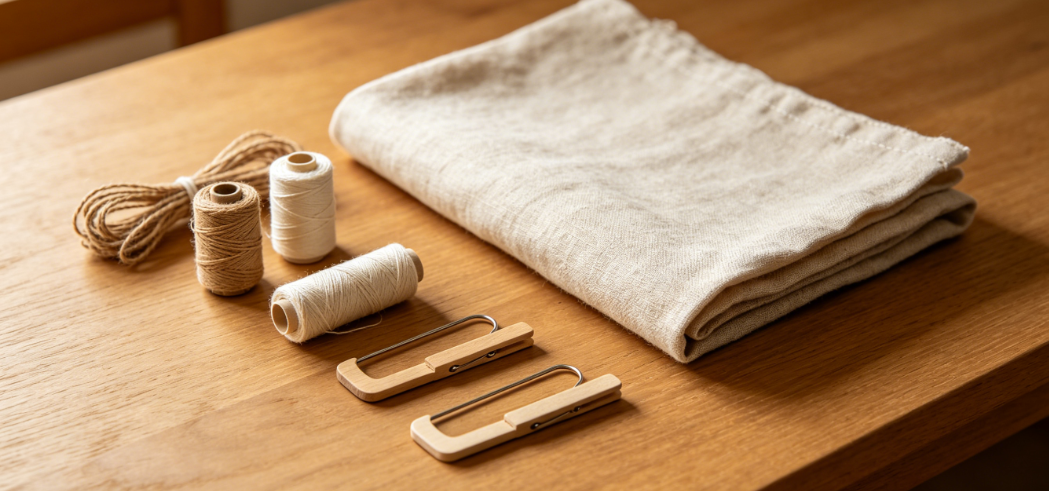
- Breathable linen fabric sheet (one piece)
- Clear removable adhesive corner hooks (four pieces)
- Nylon cotton thread and hand sewing needles
- Lightweight plastic bone strips for shaping
- Transparent invisible mounting tape
Step-by-Step Manufacturing Process
Step 1: Cut and Shape the Linen Fabric
According to the height of the wall corner, cut the linen fabric into an irregular pentagon that fits two perpendicular wall surfaces. Unlike regular rectangular pockets, this asymmetric shape is specially designed for sharp Japanese wall corners. Trim the edges neatly and fold the fabric margins inward to avoid fraying after long-term use. This careful trimming habit represents the Japanese craftsmanship of pursuing subtle perfection in trivial handmade works.
Step 2: Sew Layered Storage Compartments
Mark three horizontal dividing lines on the main fabric. Use simple flat stitches to sew independent layered pockets of different sizes. The uppermost slim pocket is designed for slender items such as pens and charging cables, while the wider bottom pocket can hold tissue boxes and small cosmetics. The sewing tension should remain soft instead of tight, ensuring the fabric retains natural elasticity and avoids deformation under weight.
Step 3: Embed Plastic Strips for Structural Support
Insert thin plastic bone strips into the bottom and side seams of the fabric pocket. These lightweight strips maintain the three-dimensional shape of the pocket and prevent soft linen from collapsing after storing daily items. Unlike hard metal supports, plastic materials produce no scratching sounds when touching walls and protect fragile rental wall surfaces from indentation.
Step 4: Install Adhesive Hooks for Corner Fixation
Paste four transparent adhesive hooks on the clean wall corner. Two hooks are fixed on the left wall, and the remaining two are attached to the adjacent vertical wall. Hang the reserved fabric loops on the hooks and slightly adjust the angle to fit the corner curvature. All adhesive hooks can be peeled off effortlessly without leaving sticky residues, fully complying with Japan’s strict move-out inspection standards.
Daily Usage and Functional Advantages
This handmade corner pocket integrates hidden storage and decorative functions. It is commonly placed beside beds, study desks, or entrance hallways. Residents can store frequently used small objects, including earphones, keys, medicine strips, notebooks, and portable sanitizers. By moving scattered daily necessities into vertical corner space, the desktop and floor remain empty, visually expanding the cramped room. The natural linen texture softens the cold tone of plain rental walls and adds a quiet sense of warmth to the monotonous indoor environment.
Broader Reflection: The Meaning of Handmade Tools in Rented Spaces
In Japanese rental culture, handmade gadgets are never merely storage tools. They symbolize a mild compromise between residents and limited living environments. Renters cannot change wall structures, room layouts, or building facilities, so they create gentle, removable accessories to fill spatial vacancies. This behavioral logic coincides with the traditional Japanese aesthetic of ma—cherishing blank space and maintaining moderate emptiness.
Moreover, simple manual production brings psychological stability to urban dwellers. In high-density Japanese cities, people often feel passive and powerless in standardized rental units. Making a fabric pocket with one’s own hands rebuilds a subtle sense of control over living space. Every stitch turns an indifferent temporary room into a personalized living territory.
Conclusion
The DIY no-drill fabric wall pocket is a typical miniature of Japanese rental wisdom. With low-cost materials, simple sewing skills, and traceless installation, it efficiently organizes scattered small items and activates forgotten wall corners. It proves that rental living does not require expensive furniture or large renovation projects. Instead, subtle handmade modifications can optimize spatial logic and enrich daily comfort. In plain, standardized Japanese apartments, such tiny handmade tools quietly transform temporary accommodation into a gentle, livable home.