Quiet Wellness: Understanding Physical and Mental Health in Japanese Rental Apartments
Introduction
For millions of people residing in Japan, rental apartments serve as more than mere shelters; they shape daily biological rhythms, emotional states, and long-term personal wellness. Typical Japanese one-room rentals are compact, minimally furnished, and constructed with distinctive architectural features such as thin walls, narrow ventilation ducts, and wooden flooring. While these modest living spaces are affordable and conveniently located in urban areas, they also bring unique hidden health challenges, including seasonal humidity, insufficient natural airflow, and amplified psychological pressure from cramped environments. This article explores the physical and mental health conditions within Japanese rental housing, analyzing invisible living hazards, simple daily improvement methods, and the broader wellness philosophy embedded in Japanese minimalist residency culture.
Unique Physical Health Challenges in Japanese Rental Housing
1. High Humidity and Mold Vulnerability
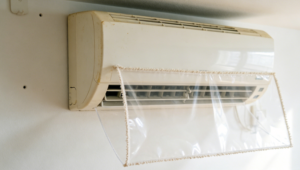
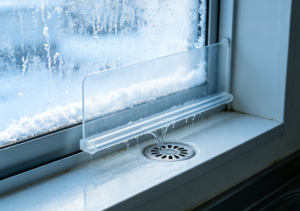
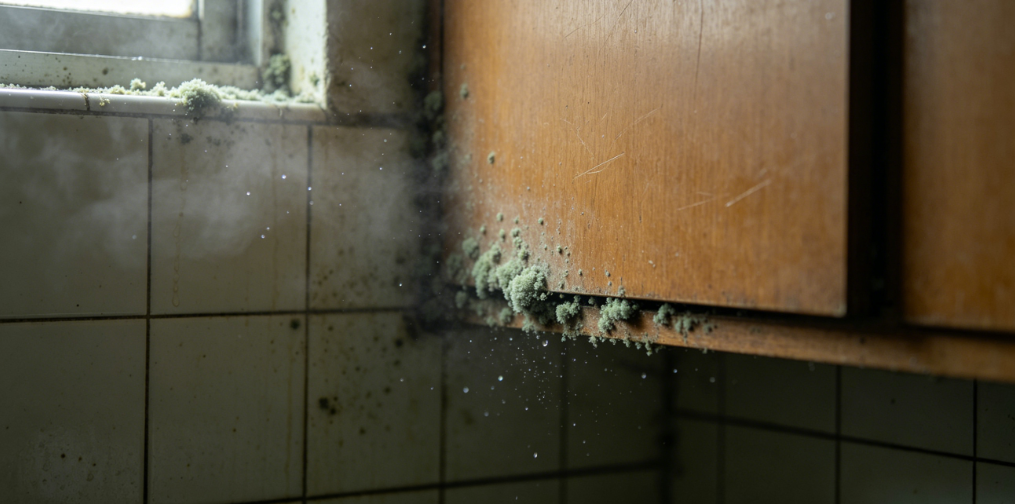
Japan’s temperate maritime climate brings persistent moisture throughout spring and summer. Most older rental buildings lack integrated dehumidification systems, leaving enclosed closets, bathroom corners, and under-sink areas prone to mold and bacterial accumulation. Thin concrete walls easily absorb external dampness, resulting in cold indoor surfaces even during mild weather. For renters, prolonged exposure to humid environments may trigger allergic rhinitis, skin irritation, and respiratory discomfort. Unlike modern customized residences, standard Japanese rentals rarely come with advanced ventilation equipment, requiring tenants to actively regulate indoor air quality manually.
2. Low-Quality Sound Insulation and Physical Fatigue
Many urban mansions adopt lightweight partition structures to reduce construction costs. Thin drywall and hollow floor panels cannot effectively block neighborhood noise, including footsteps, elevator vibrations, and distant traffic hum. Continuous low-frequency noise subtly disrupts sleep cycles, causing chronic fatigue and weakened immunity. Such unavoidable acoustic interference becomes one of the most overlooked physical health burdens for long-term renters in densely populated Japanese cities.
3. Limited Natural Light and Body Circulation Issues
To maximize building density, numerous apartment units face narrow alleys or neighboring walls, severely restricting daily sunlight exposure. Insufficient natural light suppresses vitamin synthesis, slows down human metabolism, and leads to stiff shoulders, cold limbs, and poor blood circulation—common physical complaints among young Japanese renters. Traditional Western housing prioritizes open lighting design, whereas Japanese urban rentals inevitably sacrifice natural brightness for geographical convenience and low rental fees.
Mental Health Pressure Hidden in Compact Rental Spaces
1. Spatial Compression and Psychological Tension
A standard Japanese single rental apartment ranges from merely 15 to 25 square meters. When sleeping, working, dining, and relaxing all occur within the same confined room, the human brain struggles to distinguish functional boundaries. This spatial ambiguity prevents psychological relaxation, gradually generating subtle anxiety and mental tension. Foreign residents often mention that compact living spaces initially feel cozy but gradually induce a sense of invisible confinement.
2. Strict Rental Rules and Passive Living Restraints
Japanese rental agreements impose rigorous restrictions: no wall painting, no large-scale furniture modification, limited nail usage, and even regulated noise volumes after midnight. Although these clauses maintain building integrity, they subtly diminish residents’ sense of ownership and personal expression. Living in a highly standardized, unchangeable space makes tenants feel transient and disconnected from their living environment, indirectly affecting emotional stability.
3. Urban Isolation and Solitary Living Emptiness
Most young Japanese renters live alone. The quiet atmosphere inside isolated apartments, coupled with fast-paced social pressure, easily creates emotional emptiness. Long-term solitary living reduces interpersonal interaction, gradually forming a mild state of emotional numbness—a common modern psychological phenomenon in highly urbanized Japanese society.
Simple Renter-Friendly Health Improvement Strategies
1. Humidity Control and Air Circulation Habits
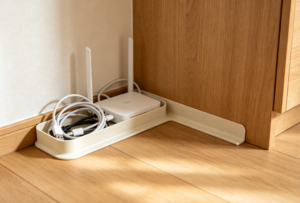
Without damaging building structures, tenants can place portable dehumidifier boxes in damp corners and install small silent circulation fans near windows. Keeping a 5-centimeter gap between furniture and walls enhances passive airflow, effectively reducing mold growth. These low-cost, removable tools perfectly comply with Japanese non-damage rental regulations.
2. Light Adjustment and Human Circulation Optimization
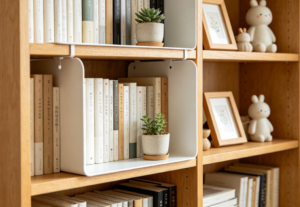
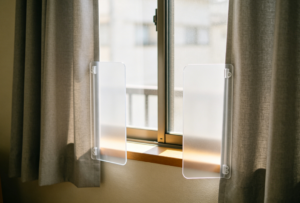
Soft warm-toned LED lamps replace harsh overhead ceiling lights to relieve visual fatigue. Mirrors and transparent storage panels are reasonably placed to reflect limited natural light, visually expanding narrow spaces. Simple fabric carpets insulate cold floor temperature and alleviate physical discomfort during cool seasons.
3. Minimalist Decoration for Mental Stability
Small potted plants, neutral-color textiles, and handmade daily gadgets create gentle personal boundaries inside rented rooms. Tidying redundant items reduces visual clutter, calming overactive nerves. Many Japanese renters intentionally reserve empty floor space to maintain psychological breathing room within cramped apartments.
Broader Philosophical Reflection: Health as Quiet Balance
Japanese rental health culture does not pursue luxurious living conditions; instead, it emphasizes subtle balance between human bodies and imperfect architectural environments. Residents acknowledge building limitations, adapt to objective constraints, and optimize living conditions through tiny, reversible adjustments. This wellness mindset coincides with the traditional Japanese philosophy of mono no aware—accepting imperfection and seeking comfort within boundaries.
Moreover, the process of actively maintaining physical and mental health helps lonely urban dwellers rebuild self-discipline and inner stability. Every small adjustment, from dehumidifying a corner to rearranging soft lighting, represents a gentle resistance against hectic urban pressure.
Conclusion
Living in a Japanese rental apartment contains invisible health challenges ranging from humid air and poor sound insulation to psychological confinement. Nevertheless, reasonable daily habits, renter-friendly modifications, and minimalist living awareness can significantly improve overall wellness. Health in Japanese compact housing is never achieved through grand renovations or expensive equipment; it originates from careful observation, mild adjustment, and peaceful coexistence with limited space. Ultimately, these simple healing methods remind people that genuine wellness lies not in how large a house is, but in how gently humans interact with their daily living environment.