Renter-Friendly DIY Tools: Handmade Gadgets for Japanese Compact Apartments
Introduction
Renting an apartment in Japan often comes with undeniable restrictions: no drilling, no permanent renovations, limited storage space, and outdated built-in facilities. Most standard rental units, commonly known as “mansions” or “one-room” apartments, feature narrow gaps, awkward blank walls, and minimal fixed storage. Instead of purchasing expensive customized furniture, many residents prefer crafting simple handmade tools. These low-cost, reversible DIY gadgets perfectly fit irregular corner spaces, solve daily living troubles, and comply with strict rental regulations. This article introduces practical handmade tools suitable for Japanese rentals, including detailed production steps, material selection, and diversified usage scenarios.
Core Concept of Japanese Rental DIY Tools
Unlike complicated industrial handcrafts, rental DIY tools in Japan follow three fundamental principles: non-damage, low cost, and high compatibility. All materials are easy to purchase at local 100-yen shops, home centers, and convenience stores. No professional electric tools or complicated techniques are required. Moreover, every handmade gadget is designed with removability in mind. Tenants can disassemble and carry these items when moving out, leaving no traces on walls, floors, or furniture. Such design philosophy reflects the Japanese living wisdom of coexisting gently with borrowed space.
Practical Handmade Tools with Production Steps
1. No-Drill Gap Storage Rack (For Narrow Furniture Gaps)
Application Scenario
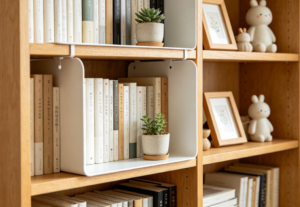
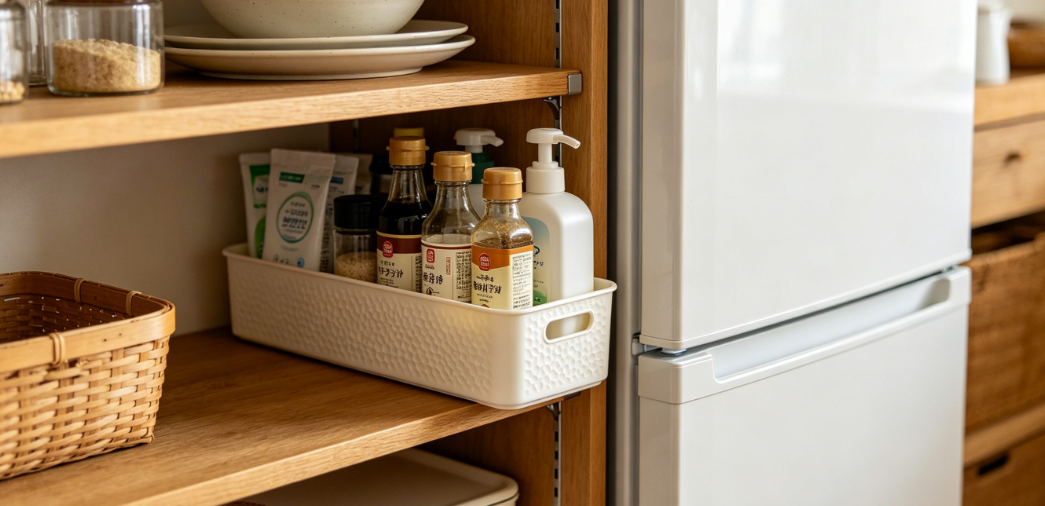
There are always awkward narrow gaps in Japanese apartments—between refrigerators and cabinets, beside wardrobes, or under sinks. These 5 to 15-centimeter gaps are too slim for commercial furniture yet too wide to waste. This handmade gap rack is tailored for such dead spaces to store condiments, cleaning supplies, and toiletries.
Required Materials (All from 100-yen shops)
- Lightweight plastic square pipes (4 pieces)
- Detachable plastic mesh boards (3 to 5 pieces)
- Silicone connecting buckles (8 to 10 pieces)
- Anti-slip adhesive pads (6 pieces)
Step-by-Step Production
- Measure the width and height of the target gap with a soft tape, and cut the plastic square pipes into matched lengths. No sharp saw is needed; most 100-yen pipes can be broken along the pre-scored lines.
- Assemble four pipes into a vertical rectangular frame with silicone buckles. Tighten each joint manually to ensure stability without glue.
- Clip mesh boards onto the pipe frame at even intervals to create layered storage shelves. The spacing can be adjusted freely to fit tall bottles or small boxes.
- Attach anti-slip pads to the bottom of the rack to prevent sliding on smooth wooden floors.
Usage Advantages
The hollow plastic material keeps the entire rack lightweight and easy to drag for cleaning. Unlike metal rolling carts, it produces no harsh scraping noise while moving. In humid Japanese seasons, the breathable mesh structure avoids moisture accumulation and mold growth in dark gaps.
2. Removable Window Side Light Holder (For Dim One-Room Apartments)
Application Scenario
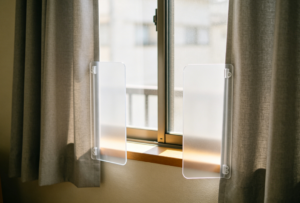
Most old Japanese rental apartments have only one small window, resulting in uneven indoor lighting. Residents often struggle with dim desks and gloomy bedroom corners. This handmade light holder makes full use of window frames to install supplementary lights without punching holes on walls.
Required Materials
- Transparent acrylic flat board (1 piece)
- Strong adhesive hook strips (4 pieces)
- USB-powered LED strip light (1 roll)
- Soft rubber edge protectors
Step-by-Step Production
- Trim the acrylic board into a long strip matching the length of the window frame, and wrap sharp edges with rubber protectors to avoid scratches.
- Paste four adhesive hooks evenly on the inner side of the window frame. Ensure the hooks are firmly attached to smooth paint rather than fragile wallpaper.
- Fix the acrylic board horizontally on the hooks to form a suspended flat shelf beside the window.
- Stick the LED strip light on the bottom of the acrylic board and connect it to a portable power bank for adjustable brightness.
Usage Advantages
The transparent acrylic will not block natural daylight, while the downward LED light softens harsh window glare. During rainy and cloudy days, this simple tool brightens the desk area for reading and working. All adhesive hooks can be torn off without leaving sticky residues, fully complying with rental moving-out standards.
3. Foldable Fabric Cable Organizer (For Messy Electronic Wires)
Application Scenario
Compact Japanese apartments concentrate electrical appliances in limited areas, leading to tangled charging cables, adapter wires, and power strips. This foldable fabric organizer solves cable chaos with pure manual sewing, requiring no industrial processing.
Required Materials
- Thick linen leftover fabric
- Elastic bands and cotton threads
- Mini metal snap buttons
- Removable double-sided tape
Step-by-Step Production
- Cut the linen fabric into a rectangular piece with customized size according to the number of cables. Reserve extra edges for folding stitching.
- Sew several parallel elastic bands on the fabric surface to fix different types of wires and prevent slipping.
- Install snap buttons on both sides of the fabric to realize folding and rolling storage when not in use.
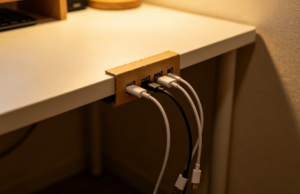
- Paste small pieces of double-sided tape on the back to attach the organizer to the back of desks or bedside cabinets.
Usage Advantages
Linen material insulates heat and prevents wire aging caused by long-term accumulation. The foldable design saves storage space, and the soft fabric avoids scratches on wooden furniture. Tenants can also print simple patterns on the fabric to match interior decoration styles.
Deeper Thinking: Why Handmade Tools Are Popular in Japanese Rentals
The prevalence of handmade rental tools in Japan is more than a pursuit of low-cost living; it represents a unique residential mindset. On the one hand, strict rental laws and property management rules restrict any permanent modification, pushing tenants to explore reversible and flexible solutions. On the other hand, the minimalist aesthetic rooted in Japanese culture makes people reject bulky, over-decorated furniture. Handmade small tools are concise, practical, and highly personalized.
Moreover, the slow production process of DIY tools provides emotional comfort for urban dwellers living under high social pressure. Spending one or two hours assembling a simple storage rack or sewing a cable organizer helps people calm down and establish a subtle emotional connection with their temporary rental houses. Every handmade trace turns a cold standard apartment into a personalized living space.
Conclusion
For people living in Japan, handmade rental tools are tiny but indispensable life partners. With accessible materials, simple steps, and flexible usage, these gadgets effectively solve the pain points of narrow space, single function, and fixed layout in rental apartments. Beyond practicality, DIY creation reshapes people’s perception of renting: a borrowed house can also be carefully decorated and cherished.
In the fast-paced cities of Japan, these handmade tools carry trivial warmth. They prove that ingenuity is the best decoration, and even in a small rental space, everyone can create a comfortable and exclusive living atmosphere with their own hands.