Small-Space Living: Japanese Rental Hacks & Creative DIY Transformations
Introduction: Embracing Compact Housing in Japan
Living in Japan often means adapting to compact rental accommodations. From narrow one-room mansions in bustling Tokyo to tiny wooden apartments in quiet suburban areas, most Japanese rentals feature limited square footage, fixed layouts, and strict renovation rules. Unlike Western housing concepts that prioritize spacious areas, Japanese residential design has long embraced the philosophy of making less feel more. For foreign residents and local tenants alike, turning a plain, cramped rental unit into a warm, functional home does not require expensive overhauls. Instead, it relies on clever space utilization and low-cost, renter-friendly DIY tweaks. These simple transformations not only maximize every inch of limited space but also reveal the unique charm of minimalist Japanese living culture.
The Core Logic of Japanese Rental Space Utilization
1. Vertical Storage: Upward Utilization of Empty Airspace
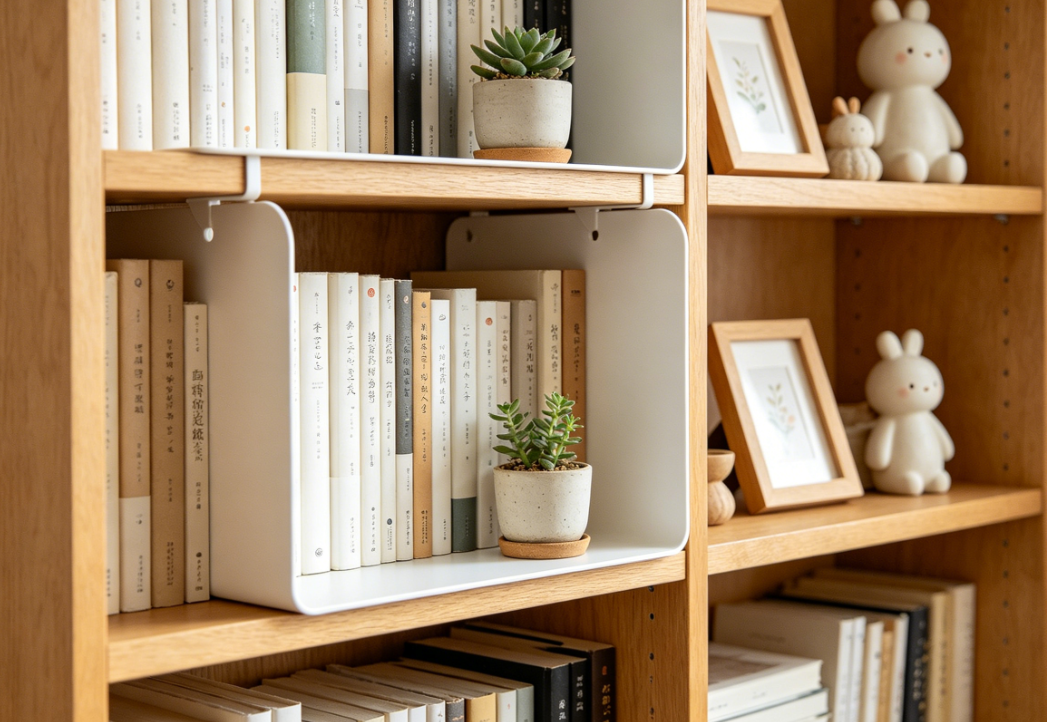
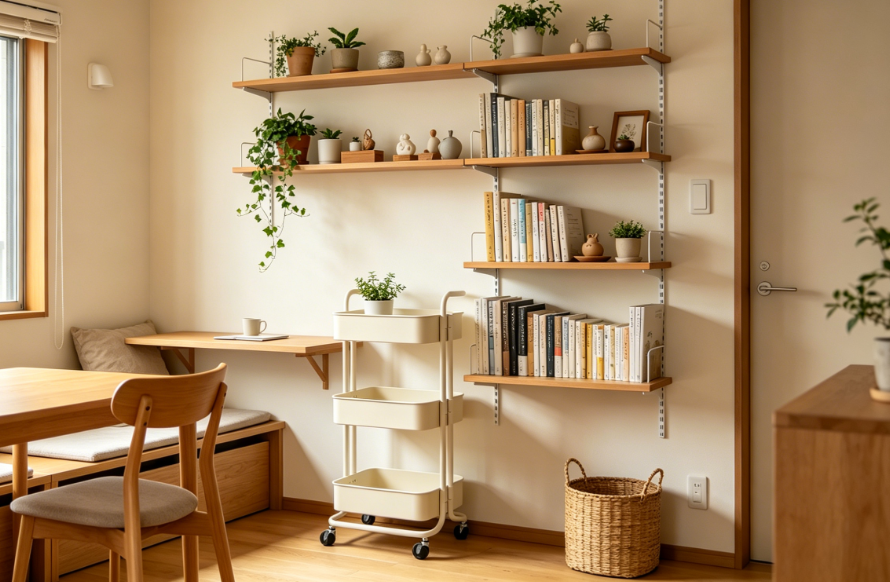
The biggest advantage of small apartments lies in their vertical height, a detail most tenants tend to overlook. In typical Japanese rentals, floor space is extremely precious, so shifting storage from horizontal surfaces to vertical walls becomes the primary solution. Renters commonly install no-drill floating shelves beside desks and beds to hold daily necessities such as books, skincare products, and small electronic devices. Over-the-door hanging organizers are another universal staple, storing shoes, hats, and seasonal accessories without occupying any ground area.
Even the narrow gaps between furniture and walls are fully utilized. Slim rolling storage carts fit seamlessly beside refrigerators and wardrobes, holding snacks, cleaning supplies, and kitchen utensils. This meticulous spatial thinking stems from traditional Japanese architectural wisdom, which treats every vacant corner as valuable usable space rather than blank decoration.
2. Multi-functional Furniture: One Piece with Multiple Purposes
In Japanese compact housing, single-purpose furniture is considered a waste of resources. Most renters opt for multi-functional pieces tailored to small living scenarios. A low wooden table can serve as a dining table for meals, a work desk for remote tasks, and a tea table for casual relaxation. Foldable mattresses and sofa cushions can be stacked and stored during the daytime, converting a sleeping area into a spacious leisure zone instantly.
For studio apartments without independent bedrooms, room dividers replace solid walls. Lightweight curtain partitions and wooden lattice screens separate sleeping spaces from working areas, ensuring privacy without blocking natural light. This flexible layout design breaks the rigid boundary of functional zones, making a cramped room feel layered and open.
Renter-Friendly DIY Renovation Ideas for Japanese Apartments
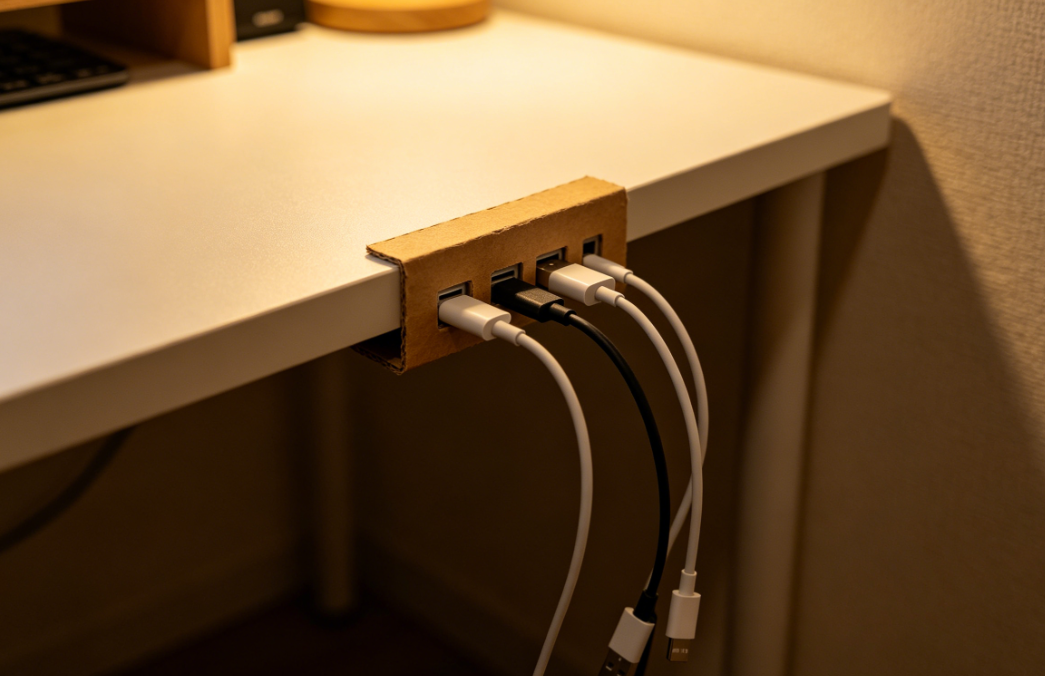
Most Japanese rental properties prohibit permanent modifications, including wall painting, drilling holes, and tile replacement. Therefore, zero-damage DIY has become a popular trend among young tenants. These reversible, low-cost modifications require no professional skills, allowing people to personalize cold standard rental units into cozy private shelters.
1. Wall Makeovers with Removable Decorations
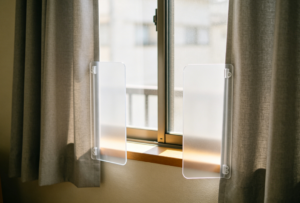
Plain white beige walls are the most common feature of Japanese rentals, often making rooms look dull and monotonous. Removable wallpaper and frosted window films are the easiest DIY upgrades. Tenants can choose muted earth tones or simple striped patterns to cover old stained walls, instantly softening the harsh indoor light. For those who prefer a natural atmosphere, hanging linen tapestries and dried plant bouquets adds texture to empty walls without leaving any damage after moving out.
2. Mini DIY Furniture for Customized Storage
Commercially sold furniture often fails to fit the irregular corners of old Japanese apartments. Many tenants choose to assemble simple furniture with raw materials such as untreated wood boards and stainless steel brackets. A handmade floating shelf above the kitchen sink can hold tableware and condiments; a customized wooden rack beside the balcony can store potted plants and cleaning tools. The DIY process not only matches the unique size of the rental space but also allows tenants to adjust the style and height according to personal habits.
3. Soft Decoration to Optimize Spatial Perception
Soft furnishings are the most cost-effective way to change the spatial atmosphere. Light-colored linen carpets cover worn wooden floors, hiding scratches and insulating cold air in winter. Transparent acrylic storage boxes reduce visual clutter, keeping daily items visible and neatly arranged. Warm-toned LED strip lights are pasted behind headboards and shelves, replacing harsh overhead lamps to create a gentle, relaxing ambient atmosphere at night. These tiny decorative tweaks do not expand the actual area, but they visually eliminate the cramped sense of small spaces.
Cultural Reflections Behind Small-Space Living
Japanese rental space utilization and DIY culture are never merely about saving space. They reflect the local aesthetic of wabi-sabi—finding beauty in simplicity and imperfection. Tenants learn to abandon redundant decorations, retain only essential items, and maintain a sparse, tidy living environment. The reversible DIY rules also cultivate a respectful living habit: people beautify rented houses without damaging the original architecture, achieving a balance between personal preference and public preservation.
For foreigners living in Japan, this living mode brings more than just spatial optimization. It is a subtle life education that teaches people to cherish limited resources, simplify material desires, and seek comfort in compact spaces. A carefully arranged small rental unit is no longer just a temporary residence; it becomes a warm harbor carrying daily trivialities and personal emotions.
Conclusion: Turn a Rental into a Home
Living small in Japan is never a compromise, but a unique lifestyle. Through reasonable vertical storage, multi-functional furniture matching, and simple zero-damage DIY transformations, even a 20-square-meter rental apartment can achieve a comfortable and exquisite living effect. The core of these methods is not fancy decoration, but careful observation of living needs and gentle modification of the living environment.
In the fast-paced rhythm of Japanese cities, these compact, self-decorated rental spaces provide residents with a stable sense of belonging. Every DIY detail and every well-organized storage corner proves that home is never defined by size. With ingenuity and patience, any plain rental house can be polished into a unique warm sanctuary.